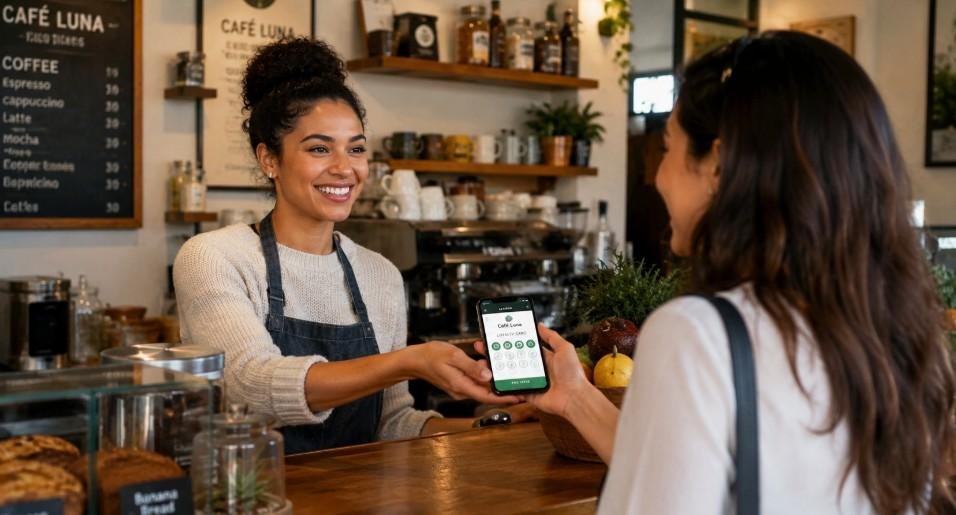
Seeing the same friendly faces return to your shop or café is more than heartwarming; it is the lifeline of small businesses. Loyalty programs for small businesses turn occasional customers into regulars, helping every dollar spent on loans or inventory pay off faster. With the right system, every visit can reward both the customer and your bottom line while gathering valuable insights about shopping habits.
Key Takeaways
- Customer retention drives sustainable growth and ROI.
- Choose a loyalty program type that fits your business model.
- Make enrollment simple and rewards attainable to maximize participation.
- Reward behaviors beyond purchases, like referrals and reviews.
- Use analytics to continually optimize the program for better results.
Why Loyalty Matters for Your Business
Loyalty programs for small businesses increase customer retention and lifetime value, ensuring every investment, including loans, works harder for you. Repeat customers spend more, visit more often, and are easier to market to than brand-new shoppers. A smartly structured program also collects data to optimize your sales and marketing strategies.
Customer Retention as a Growth Engine
When you reward repeat visits, customers feel appreciated and recognized. Small gestures, like a free treat after several purchases, can influence long-term behavior and keep them choosing you over competitors. This also strengthens brand loyalty without extra advertising costs.
Data Drives Smarter Decisions
Modern loyalty systems allow you to track purchases, understand buying patterns, and target offers more effectively. This data is vital for predicting sales trends and making loan repayment schedules manageable while maximizing revenue.
Emotional Connection Enhances Returns
Customers remember personalized perks more than generic discounts. Birthday surprises, exclusive early access, or VIP experiences create memorable moments that increase engagement and encourage consistent visits.
Steps to Launch a Winning Rewards System
Getting a loyalty program running can feel overwhelming, but breaking it into simple steps ensures every investment counts. Proper planning helps maximize both customer satisfaction and your loan ROI.

Step One: Pick a Goal
Identify your main purpose: increasing visit frequency, boosting average transaction value, or growing referral traffic. Knowing the outcome helps you choose between points-based systems, punch cards, or tiered VIP programs tailored to your business type.
Step Two: Align With Your Business Type
Retail stores and e-commerce shops thrive with points systems using Smile.io, rewarding purchases and social engagement. Local restaurants or service businesses succeed with Square Loyalty, integrating rewards directly at the point of sale. Quick setups like Loopy Loyalty are ideal for digital punch cards on phones.
Step Three: Keep Enrollment Simple
A frictionless experience matters. Ask for just a phone number or email, avoiding long sign-up forms. Customers are more likely to join and use the program if earning rewards is simple and straightforward.
Step Four: Reward Meaningfully
Go beyond basic discounts. Offer rewards for referrals, reviews, or visiting on slow days. Double points on quieter days or bonus rewards for bringing friends encourage behavior that directly benefits your business.
Step Five: Monitor and Adapt
Use analytics to track active members, dormant users, and high-value customers. Adjust rewards, communications, and incentives based on behavior to keep the program engaging and profitable.
Program Models That Actually Boost Sales
Selecting the right program type ensures your rewards generate measurable growth while complementing your business structure.

Points-Based Systems
Customers earn points per dollar spent to redeem discounts or free items. Ideal for retail and e-commerce, this encourages higher average orders and repeat visits, turning loan investments into tangible sales growth.
Punch Cards
Traditional yet effective for coffee shops, salons, and businesses with frequent, low-cost purchases. Simple “buy ten, get one free” rewards are easy to understand and encourage consistent visits. Digital versions eliminate paper clutter and improve tracking.
VIP Tiers
Tiered loyalty rewards your top spenders with exclusive perks, such as early product access or special services. Boutiques and service providers benefit most, fostering high engagement and increased average spend.
Referral Programs
Incentivizing customers to bring friends extends reach without large advertising budgets. Offering discounts or bonus points for referrals generates organic growth while deepening loyalty.
Selecting the Right Platform
Software choice can make or break your program, simplifying operations while enhancing customer experience.
Square Loyalty
Built for businesses using Square POS, it integrates seamlessly with transactions, making reward redemption and tracking effortless at checkout.
Smile.io
Perfect for Shopify, Wix, or BigCommerce stores, Smile.io allows points for purchases, social media actions, and account creation, increasing engagement beyond simple transactions.
Loopy Loyalty
Digital stamp cards saved directly to Apple Wallet or Google Pay make rewards visible and easy to redeem, keeping your program modern and convenient.
Incentivizing Beyond Purchases
The most successful programs motivate behaviors that support business growth, not just sales.

Referral Rewards
Offer points or discounts when customers bring friends, creating a network effect that increases foot traffic and brand awareness.
Review Bonuses
Encourage online reviews by rewarding bonus points, boosting your reputation while gaining valuable customer feedback.
Slow Day Incentives
Offer double points during off-peak hours to improve traffic distribution and keep revenue steady even on quieter days.
Keeping the Program Simple
Overcomplicated programs frustrate customers and reduce participation. Make sure rewards are attainable, enrollment is fast, and communication is clear. Focus on seamless experiences to maintain engagement and maximize return on your investment.
Frequently Asked Questions
1. How much should a small business spend on a loyalty program?
Most small businesses can start with a minimal budget. Modern digital tools cost as low as $20 to $50 monthly. Scale spending gradually once the program generates measurable engagement and revenue.
2. Are loyalty programs worth it for small businesses?
Yes, when structured effectively. They increase repeat visits, boost average spend, and provide valuable insights into customer behavior, helping your business grow sustainably.
3. Do customers respond to loyalty rewards in the digital age?
Absolutely. Customers expect rewards that are simple to earn, relevant, and emotionally engaging, like personalized offers or VIP experiences, rather than just generic discounts.
4. Can loyalty systems integrate with my existing POS?
Yes, many modern systems integrate directly with popular POS platforms, automating tracking, reducing errors, and making customer reward redemption seamless and accurate.
Fun Wrap-Up: Loyalty That Pays Off
Loyalty programs for small businesses are more than just marketing tools. They create a predictable stream of repeat customers, deepen relationships, and maximize every dollar of investment, including loans and loyalty program vs cashback program. Simple, well-designed programs that reward visits, referrals, and engagement can transform casual shoppers into lifelong supporters, turning everyday interactions into measurable revenue growth.
