I know how scary it feels to open your banking app and see money missing from your account. When debit card fraud happens, the problem feels urgent because the stolen money comes directly from your checking account. Debit Card Fraud: What to Do If Your Money Is Stolen is not just a search question; it is a real emergency that needs quick action, clear documentation, and smart follow-up.
The first rule is simple: do not wait. The faster you contact your bank or credit union, the better your chance of limiting your loss and getting your money back.
What Is Debit Card Fraud?
Debit card fraud happens when someone uses your debit card, card number, PIN, or linked bank account without permission. This can happen through a stolen wallet, ATM skimming, fake bank texts, phishing emails, online data breaches, or card-not-present purchases.
Unlike credit card fraud, debit card fraud can immediately affect your available cash. Rent, groceries, bills, and automatic payments may all be at risk if your checking balance is drained. That is why the response must be fast and organized.
What to Do in the First 10 Minutes
If you notice a suspicious charge or missing money, open your banking app and lock or freeze your debit card right away. Most banks allow this through mobile banking. If you cannot lock the card online, call the number on the back of your card or the bank’s official website.
Next, review your recent transactions. Write down every charge you do not recognize, including the date, amount, merchant name, and location if shown. Do not call phone numbers from suspicious texts or emails because scammers often pretend to be bank representatives.
Then contact your bank’s fraud department and say clearly that you are reporting unauthorized debit card transactions. Ask them to block the card, issue a replacement card, open a fraud claim, and provide a case number.
Call Your Bank and Report Every Unauthorized Transaction
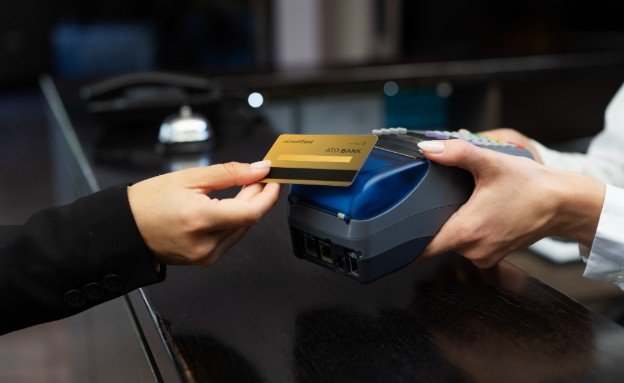
When speaking to the bank, be specific. Do not simply say your card was hacked. Tell them which transactions are fraudulent and when you first noticed the problem. Ask whether your account number also needs to be changed, especially if multiple withdrawals or transfers appeared.
A simple script can help:
“I am reporting unauthorized debit card transactions on my account. Please block the card, open a fraud investigation, issue a new debit card, and give me a written confirmation or claim number.”
When asking is it safe to use debit card online after a suspicious transaction, documentation matters. Keep notes from every call. Write down the date, time, representative’s name, claim number, and what they told you. If your bank allows secure messages inside online banking, send a written follow-up so you have a record.
Can You Get Stolen Debit Card Money Back?
In many cases, yes, but timing matters. American banking rules give consumers protections for unauthorized electronic transfers, but the amount you may be responsible for can depend on how quickly you report the problem.
If you report the card lost or stolen before unauthorized charges happen, you usually should not be responsible for those charges. If you report quickly after discovering the fraud, your liability may be limited. If you delay for too long, you could lose more money or weaken your claim.
This is why checking your account often is important. Waiting until the monthly statement arrives may cost you time. Bank alerts, text notifications, and mobile app monitoring can help you detect fraud faster.
Ask About Provisional Credit
After you file a debit card fraud claim, ask whether the bank will provide provisional credit. This is a temporary credit while the bank investigates the disputed transaction. It can help you cover bills while the case is reviewed.
The bank may ask you to complete a written dispute form or provide a signed statement. Submit everything as soon as possible. If you miss paperwork deadlines, the investigation may slow down.
Do not spend the provisional credit carelessly. If the bank later decides the transaction was authorized, it may reverse the temporary credit. Keep enough money available until the case is fully resolved.
Should You File a Police Report?
A police report is not always required for small debit card fraud claims, but it can help in serious cases. Consider filing one if your wallet was stolen, your identity was used, your account was drained, or the bank requests one.
You should also report identity-related fraud through official consumer protection channels. If the fraud happened online, involved fake websites, phishing, or digital scams, it may also be worth filing an internet crime report.
Having these reports can strengthen your paper trail and show that you took the theft seriously.
Documents You Should Keep
Good records can make the refund process smoother. Save bank statements, screenshots of unauthorized charges, fraud claim numbers, emails from the bank, police report numbers, and any suspicious texts or emails linked to the fraud.
Do not delete scam messages immediately. They may include phone numbers, links, sender details, or wording that helps show how the fraud happened.
Common Ways Debit Card Fraud Happens
Debit card fraud often begins with small mistakes or hidden scams. ATM and debit card skimmers can copy card data when you use a compromised machine. Phishing texts may claim your account is locked and push you to enter login details. Fake bank calls may ask for your PIN or one-time passcode.
Online shopping on unsafe websites can also expose your card details. Public Wi-Fi, weak passwords, and reused banking passwords increase the risk of account takeover.
How to Prevent Debit Card Fraud Again

Turn on transaction alerts for every debit card purchase, ATM withdrawal, and online transfer. Use strong banking passwords and enable multi-factor authentication. Never share your PIN, security code, online banking password, or one-time passcode.
Use ATMs inside bank branches when possible. Cover the keypad when entering your PIN. Avoid using debit cards on unfamiliar websites, especially when a credit card or digital wallet is safer. Review your account several times a week. Fraud is easier to handle when you catch it early.
Debit Card Fraud vs Credit Card Fraud
Debit cards and credit cards both need protection, but the risk feels different. With a credit card, fraudulent charges affect borrowed money first. With a debit card, stolen funds come directly from your bank account.
That does not mean debit cards are unsafe. It means you need faster monitoring, stronger alerts, and immediate reporting when something looks wrong.
Frequently Asked Questions
1. What is Debit Card Fraud: What to Do If Your Money Is Stolen?
It means someone used your debit card or bank account without permission, and you need to freeze the card, contact your bank, dispute the charges, document everything, and follow up until the investigation is complete.
2. How fast should I report debit card fraud?
Report it immediately. Fast reporting can reduce your possible loss and improve your chances of getting money back.
3. Will my bank refund stolen debit card money?
Your bank may refund the money if the transactions were unauthorized and you report them properly. The final result depends on timing, documentation, and the investigation.
4. Should I close my bank account after debit card fraud?
Sometimes replacing the card is enough. If your account number, login, or personal details were compromised, ask the bank whether opening a new account is safer.
Final Words to Say
I would treat stolen debit card money like a financial emergency, not a minor banking issue. The best move is to freeze the card, call the bank, dispute every unauthorized charge, and keep records from the first moment. When you act quickly and stay organized, you give yourself the strongest chance of recovering your money and protecting your account from another attack.