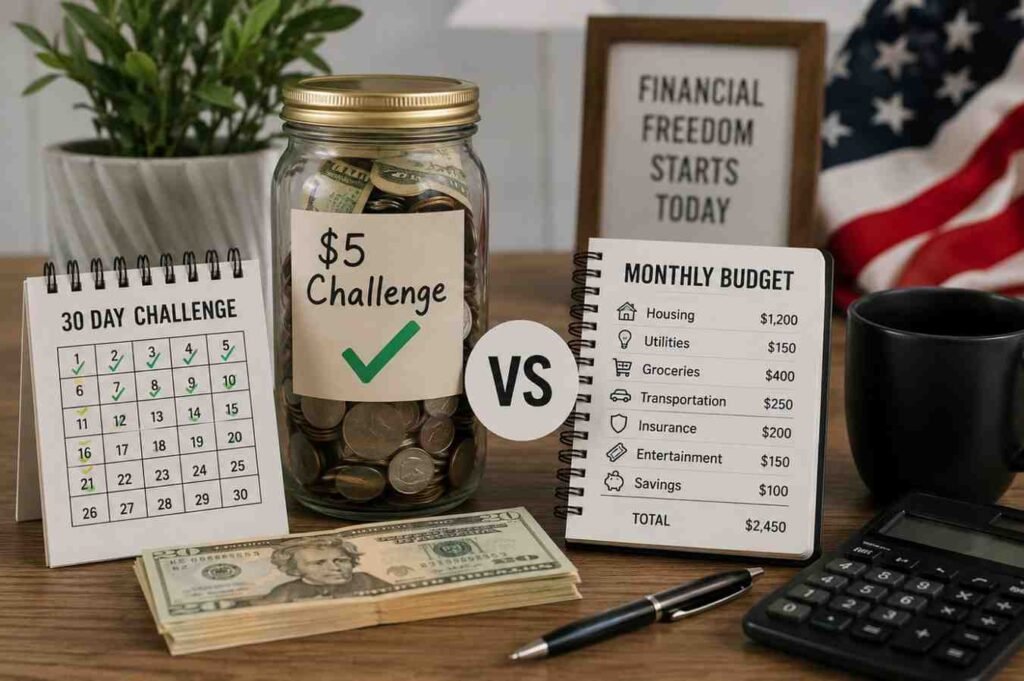

Managing money isn’t just about cutting expenses — it’s about making intentional choices that give you freedom and control. Over the years, I’ve discovered practical money saving tips that help me stretch every dollar while still enjoying life.
From budgeting frameworks to optimizing subscriptions and food habits, these strategies are tailored for US households and can make a real difference in your financial health.
Start With a Strict Budget and Emergency Fund
To save money quickly, I first created a strict budget by tracking all fixed expenses and identifying leaks in my spending. I canceled unused subscriptions, limited dining out, and planned weekly meals at home. The most effective step, though, was building an emergency fund with automated transfers.
By moving a set portion of each paycheck directly into a high-yield savings account, I created a financial safety net that grows automatically. For US readers, accounts like Ally, Marcus by Goldman Sachs, and Discover offer competitive interest rates without fees, making it easier to save consistently.
Optimize Your Banking and Savings

Automation is a game-changer. I set my bank to move a portion of every paycheck to savings immediately. This treats savings like a fixed expense rather than an afterthought. I also moved funds from traditional banks to high-yield savings accounts to maximize interest earnings.
Eliminating unnecessary bank fees is another step — I chose accounts with zero maintenance fees and free ATM networks to avoid wasting money on banking costs.
Audit and Cut Subscriptions
Many people don’t realize how much recurring subscriptions drain their budget. I used tools like Rocket Money to identify hidden charges for unused apps, gym memberships, or streaming services.
Rotating streaming platforms helped me keep entertainment costs low, and reviewing credit card statements ensured no forgotten annual renewals were sneaking in. These small adjustments added up to hundreds of dollars saved annually.
Change Everyday Food Habits

Food is a major expense in most US households. Planning weekly meals and creating a detailed grocery list helped me avoid impulse buying at the store. Cooking at home replaced expensive restaurant meals and delivery apps, which often cost triple the price.
I also switched to generic brands for staples like oats, flour, and canned goods, saving 20-30% without sacrificing quality. Over time, these small changes became natural habits and contributed significantly to my monthly savings.
Reduce Utilities and Housing Costs
Simple adjustments can lead to substantial savings. I lowered my thermostat a few degrees in winter and raised it slightly in summer, cutting energy bills without discomfort. Comparing insurance rates annually helped me secure cheaper car and home coverage.
Using smart power strips stopped unnecessary “vampire” electricity drawn from idle electronics. These steps may seem minor individually, but combined, they make a significant impact on household expenses.
Smart Shopping and Spending Habits
Impulse purchases can derail even the strictest budget. I follow the 48-hour rule: waiting two days before buying non-essential items. Removing saved credit card details from online stores adds a friction step that prevents impulse buys.
Buying used or refurbished items for electronics, furniture, or cars avoids instant depreciation and often saves hundreds of dollars. I also track deals and discounts carefully to ensure every purchase is intentional.
Compare Popular Budgeting Frameworks

Understanding how to allocate your money is key. I experimented with several frameworks before finding what works best for me:
| Budget Method | Best For | Housing & Bills | Savings & Debt | Fun & Flexible |
| 50/30/20 Rule | Beginners | 50% | 20% | 30% |
| 80/20 Rule | Hands-off savers | 80% (includes fun) | 20% | 0% |
| Zero-Based | Perfectionists | Assign every dollar | Assign every dollar | Assign every dollar |
For US readers, the 50/30/20 rule offers a simple yet effective balance between essentials, savings, and discretionary spending. Zero-based budgeting works well if you want complete control and precise allocation.
Frequently Asked Questions (FAQs)
1. How do I start saving money fast?
Start by tracking all expenses, automate savings, cancel unused subscriptions, and cook at home. Small, consistent steps quickly add up in the US.
2. Which savings accounts are best for Americans?
High-yield savings accounts from Ally, Marcus, and Discover are great options. They offer competitive interest rates with no maintenance fees, helping your money grow faster.
3. How can I reduce utility bills without major changes?
Adjust your thermostat, unplug electronics with smart power strips, and shop insurance rates annually. These small habits reduce monthly expenses significantly.
4. How do I control impulsive spending?
Follow the 48-hour rule, remove saved credit cards from sites, and buy used/refurbished items. Planning and patience prevent impulse purchases from draining your budget.
5. What is the most effective budgeting method?
The 50/30/20 rule is ideal for beginners seeking balance. Zero-based budgeting works for perfectionists wanting total control. Choose a method that aligns with your lifestyle.
Take Control of Your Finances Today
Saving money isn’t about extreme restriction — it’s about making intentional choices that work for your lifestyle. By tracking spending, automating savings, optimizing subscriptions, cooking at home, shopping smart, and using top rewards programs, you can reduce expenses while still enjoying life.
Implementing these money saving tips consistently builds financial security, emergency funds, and long-term wealth.
The key is starting small, staying consistent, and using strategies that fit your US-based household. When you take control of your finances today, every dollar you save brings you closer to freedom and confidence in your financial future.