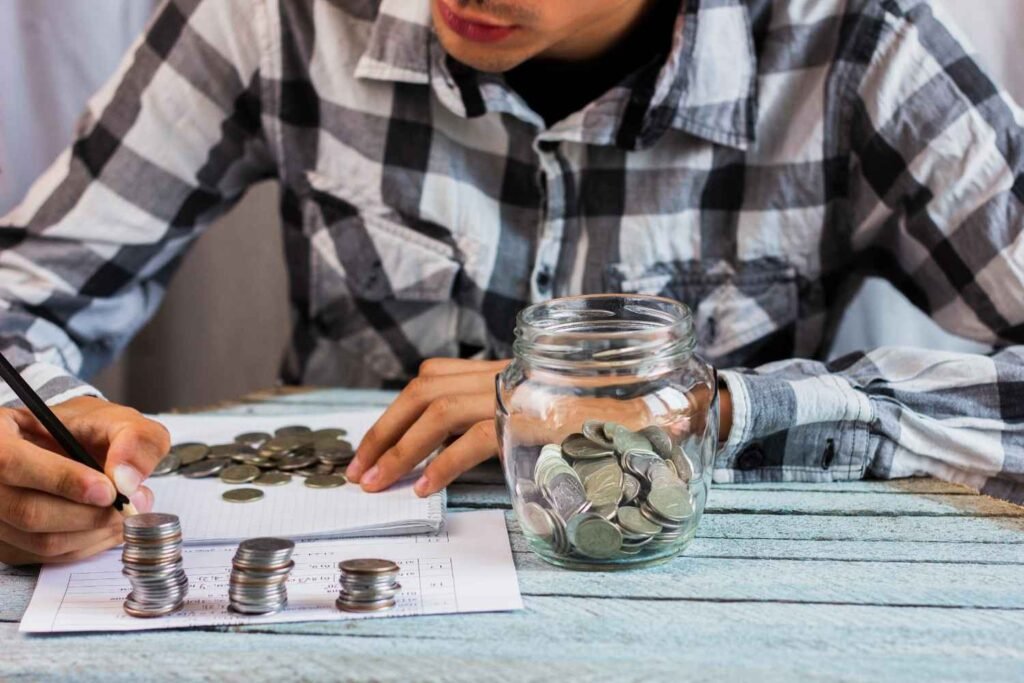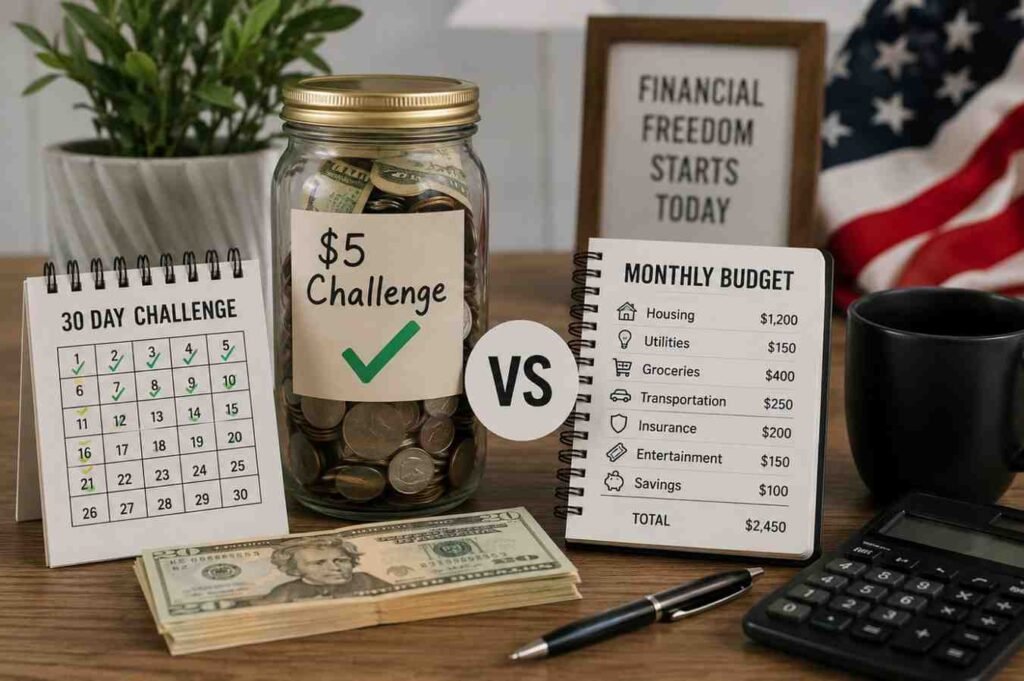

Few financial goals feel exciting when you first start working on them. Saving for a vacation, a new car, or a home upgrade often feels more rewarding than setting aside money for emergencies. The problem is that life rarely waits until you’re financially ready. A sudden medical bill, an unexpected car repair, or a temporary loss of income can disrupt even a well-planned budget.
Many people only realize the value of emergency funding after facing a financial setback. The good news is that building an emergency fund does not require a six-figure salary or years of saving. What matters most is creating a realistic plan, starting early, and making steady progress. Even a modest financial cushion can reduce stress and prevent unexpected expenses from turning into long-term debt.
Why Emergency Funding Matters More Than Most People Think?

Emergency funding serves as a financial safety net during situations you cannot predict or fully control. While credit cards and personal loans may provide temporary relief, relying on borrowed money often creates additional financial pressure later.
Unexpected Expenses Rarely Arrive at Convenient Times
Financial emergencies rarely happen when your budget has extra room. A major home repair, medical expense, or job interruption can appear without warning, forcing you to make difficult financial decisions.
An emergency fund provides flexibility during those moments. Instead of scrambling to find money or increasing debt balances, you already have resources available to handle the situation.
Emergency Savings Reduce Financial Stress
Research from financial education organizations consistently shows that people with emergency savings often experience less financial anxiety than those living paycheck to paycheck. Knowing you have money set aside for unexpected events can create a greater sense of financial security, even if the fund is still growing.
Determine How Much Emergency Funding You Need
One of the most common questions people ask is how much they should save. While there is no perfect number for everyone, most financial experts recommend building enough savings to cover three to six months of essential living expenses.
Focus on Essential Monthly Costs

Start by calculating the expenses you would still need to pay if your income suddenly stopped. These typically include housing, utilities, groceries, insurance premiums, transportation costs, and minimum debt payments.
Avoid including discretionary spending such as entertainment, dining out, or shopping. The goal is to determine the amount required to maintain basic financial stability during an emergency.
Adjust Your Goal Based on Income Stability
Not everyone faces the same level of financial risk. Someone with a stable dual-income household may feel comfortable with a smaller emergency fund. Meanwhile, freelancers, self-employed professionals, and workers with variable income often benefit from a larger reserve closer to six months of expenses.
If building a full emergency fund feels overwhelming, start with a smaller target. Saving enough to cover a few unexpected expenses can still provide meaningful protection while you work toward a larger goal.
Choose the Right Place to Keep Your Emergency Fund

Where you store emergency savings matters almost as much as how much you save.
Accessibility Should Be a Priority
Emergency money should remain easily accessible when needed. If accessing the funds requires selling investments or waiting several days for transfers, the account may not serve its intended purpose.
Many people choose high-yield savings accounts because they combine liquidity with competitive interest rates. Money market accounts can also be useful because they often offer similar accessibility while earning interest.
Avoid Investing Emergency Savings
While investing can help grow long-term wealth, emergency funds serve a different purpose. Market fluctuations can reduce account balances at the exact moment you need the money most.
Emergency funding should prioritize stability over growth. The goal is protecting your cash, not maximizing returns.
Build Your Fund Without Overwhelming Your Budget
One reason people delay emergency savings is the belief that they need thousands of dollars immediately. In reality, most successful emergency funds are built gradually.
Start With Achievable Milestones
Rather than focusing on several months of expenses right away, aim for an initial target of $500 to $1,000. This amount can often cover smaller financial surprises such as vehicle repairs, urgent travel, or unexpected medical costs.
Reaching smaller milestones creates momentum and makes the overall goal feel more achievable.
Automate the Process
One of the simplest ways to grow emergency savings is through automatic transfers. Treat your savings contribution like a monthly bill that must be paid.
Scheduling transfers immediately after payday removes the temptation to spend the money elsewhere. Over time, consistent contributions can produce meaningful results without requiring major lifestyle changes.
This is also where subscription spending management can make a significant difference. Many people underestimate how much recurring subscriptions quietly consume each month. Reviewing and reducing unnecessary subscriptions can free up money that can be redirected directly into emergency savings.
Use Financial Windfalls Strategically
Tax refunds, bonuses, cash gifts, and other unexpected income sources provide excellent opportunities to accelerate savings growth. Instead of treating every windfall as spending money, consider allocating a portion toward your emergency fund.
Small decisions like these can shorten the time required to reach your target significantly.
Create Clear Rules for Using Emergency Savings

Building an emergency fund is only half the challenge. Protecting it requires discipline.
Define What Counts as an Emergency
Many people dip into emergency savings for non-essential purchases because they never established clear guidelines.
Generally, emergency funds should be reserved for situations such as:
- job loss
- major medical expenses
- necessary home repairs
- urgent vehicle repairs
- emergency travel related to family needs
A vacation deal, seasonal sale, or impulse purchase should not qualify as an emergency.
Use the 48-Hour Rule
If you’re unsure whether an expense justifies using emergency savings, give yourself 24 to 48 hours before making a withdrawal. This simple pause often helps distinguish true necessities from emotional spending decisions.
Rebuild the Fund After Using It
Emergency savings are meant to be used when necessary. If an unexpected expense forces you to withdraw funds, focus on replenishing the account as soon as your situation stabilizes.
The faster you rebuild your financial safety net, the better prepared you’ll be for future surprises.
FAQs: How to Plan Emergency Funding for Unexpected Expenses and Income Gaps
1. How much emergency funding should I have?
Most financial experts recommend saving enough to cover three to six months of essential living expenses. The exact amount depends on income stability, household responsibilities, and financial obligations.
2. Where should I keep my emergency fund?
High-yield savings accounts and money market accounts are popular choices because they provide accessibility, safety, and interest earnings without significant risk.
3. Can I invest my emergency fund?
Emergency funds are generally best kept in cash-based accounts rather than investments. Market volatility can reduce the value of your savings when you need them most.
4. What qualifies as a financial emergency?
Common examples include job loss, medical expenses, urgent home repairs, vehicle breakdowns, and other unexpected situations that affect your financial stability.
Financial Confidence Starts Long Before an Emergency Happens
Most people never regret building an emergency fund. What they often regret is waiting too long to start. Financial emergencies are unpredictable by nature, which is exactly why preparation matters so much. Even a modest emergency fund can provide breathing room during difficult situations and help prevent short-term problems from becoming long-term financial setbacks.
The goal is not to save everything overnight. It is to create a reliable financial cushion that grows over time. Every contribution, no matter how small, moves you closer to greater financial resilience and peace of mind.