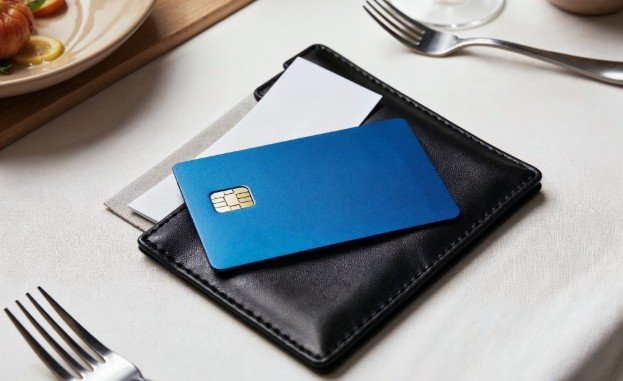
This is how easy it is to swipe, tap, or enter a debit card without thinking twice. The problem is that scammers count on that habit. Your debit card is directly connected to your checking account, which means one careless moment can put your real money at risk.
How to Protect Your Debit Card From Scammers starts with knowing where fraud happens, how thieves steal card details, and what steps can stop them before they touch your balance.
Why Debit Cards Are Easy Targets for Scammers
Debit cards are convenient, but they can be risky because they pull money straight from your account. If a scammer gets your card number, PIN, or online banking login, they may be able to make purchases, withdraw cash, or trigger digital payments quickly.
Unlike a credit card, where the charge usually affects the card issuer first, debit card fraud can reduce your available cash immediately. That is why fast alerts, safe card habits, and quick reporting matter so much.
How Scammers Steal Debit Card Information
Scammers use both physical and digital tricks. Some place skimming devices on ATMs, gas pumps, or payment terminals to capture card details. Others use hidden cameras or fake keypads to steal PINs.
Digital scams are just as common. Fake bank texts may claim your account is locked and push you to click a link. Spoofed phone calls may appear to come from your bank. Phishing emails may send you to fake login pages. Online stores that look real may collect card details and disappear after checkout.
Debit Card Safety Tips That Actually Work
Use Transaction Alerts for Every Purchase
Turn on text, email, or app alerts for debit card purchases, ATM withdrawals, and online transactions. Alerts help you spot fraud quickly instead of waiting for a monthly statement. Even a small unknown charge matters because scammers sometimes test a card before making a larger purchase.
Keep Your PIN Private Everywhere
Never write your PIN on your card, save it in your phone notes, or share it with anyone. When entering your PIN, cover the keypad with your hand. This simple move can block hidden cameras and people standing nearby.
Avoid obvious PINs such as birthdays, repeated numbers, or the last four digits of your phone number. A strong PIN should be difficult for others to guess.
Lock Your Card When It Is Not in Use
Many banking apps let you lock or freeze your debit card instantly. This is useful if your card is misplaced, if you are traveling, or if you only use the card occasionally. If a scammer tries to use a locked card, the transaction may be blocked.
Avoid Risky ATMs and Gas Pumps
Outdoor ATMs, poorly lit machines, and gas pumps far from the cashier can be easier targets for skimming devices. Before inserting your card, check the reader. If it feels loose, looks bulky, has mismatched parts, or the keypad seems raised, do not use it.
At gas stations, paying inside or using tap-to-pay can reduce risk. If you must use the pump, choose one close to the store entrance.
Use Tap-to-Pay or a Digital Wallet
Contactless payments and digital wallets can be safer than swiping or inserting a card because they do not expose the same card details in the same way. Mobile wallets also require phone security, such as a passcode, fingerprint, or face verification.
Do Not Click Bank Links in Text Messages
A real-looking fraud alert can still be fake. Instead of clicking a link, open your banking app directly or call the number printed on the back of your card. Scammers often create urgent messages to make you panic and act fast.
Shop Only on Secure, Trusted Websites
Before entering your debit card online, make sure the website is legitimate. Look for secure checkout pages, clear contact details, real customer service information, and a professional domain name. Avoid unknown stores offering prices that seem too good to be true.
For online shopping, consider using a credit card, prepaid card, or digital wallet when possible. This keeps your main checking account less exposed and can reduce the risk of debit card fraud affecting your everyday funds.
Avoid Saving Debit Card Details Online
Saving your card on shopping sites may feel convenient, but it increases risk if that account is hacked. Enter card details manually when needed, and remove saved payment methods from sites you rarely use.
Use strong, unique passwords for shopping, banking, and email accounts. Add two-factor authentication wherever available.
Risky Places to Use a Debit Card
Some places create more fraud risk than others. Gas stations are common targets because pump readers can be tampered with. Restaurants and bars can be risky because your card may leave your sight. Outdoor ATMs can be targeted with skimmers. The question arises Is public Wi-Fi purchases safe? because unsecured networks may expose sensitive information.
Unknown online stores are also dangerous. If a website has no clear return policy, no real contact page, copied product images, or strange payment requests, skip it.
What to Do If Your Debit Card Is Compromised
Act immediately. First, lock the card in your banking app if that feature is available. Then call your bank using the official number on the card, website, or app. Do not use a phone number from a suspicious text or email.
Ask for the card to be canceled and replaced. Review recent transactions and report every unauthorized charge. Change your online banking password, update your PIN if needed, and check whether your email account is secure.
Timing matters. Under federal rules, reporting a lost or stolen debit card quickly may limit your responsibility. Waiting too long can increase how much money you may lose, so do not delay even if the suspicious charge looks small.
Smart Habits for Everyday Protection
Keep only the money you need for regular spending in the account linked to your debit card. Move extra funds to savings or another account. This can limit damage if fraud occurs.
Check your account daily, especially after travel, online shopping, or ATM use. Keep your banking app updated, protect your phone with a screen lock, and never share one-time passcodes with anyone. A bank will not ask you to read a security code over the phone to “reverse” fraud.
Frequently Asked Questions
1. How to Protect Your Debit Card From Scammers when shopping online?
Use trusted websites, avoid saving card details, enable banking alerts, and avoid checking out on public Wi-Fi. For extra safety, use a digital wallet or a payment method that does not directly expose your checking account.
2. Can someone use my debit card without the physical card?
Yes. If scammers steal your card number, expiration date, security code, or online banking login, they may make online purchases or attempt other fraudulent transactions without having the card.
3. Is tap-to-pay safer than swiping?
Tap-to-pay can reduce exposure because your card does not need to be inserted into a reader that may have a skimming device. Digital wallets can add another layer of security through phone authentication.
4. What should I do first after seeing debit card fraud?
Lock the card, contact your bank through an official channel, dispute the charge, request a replacement card, and change your banking password if you suspect account access was exposed.
Final Thoughts
I treat my debit card like direct access to my cash, not just a plastic payment tool. That mindset changes everything. Scammers look for rushed choices, weak PINs, fake links, unsafe ATMs, and people who do not check their accounts. When you use alerts, inspect payment terminals, avoid suspicious messages, and report fraud fast, you make their job much harder. A few careful habits can protect your money every day.