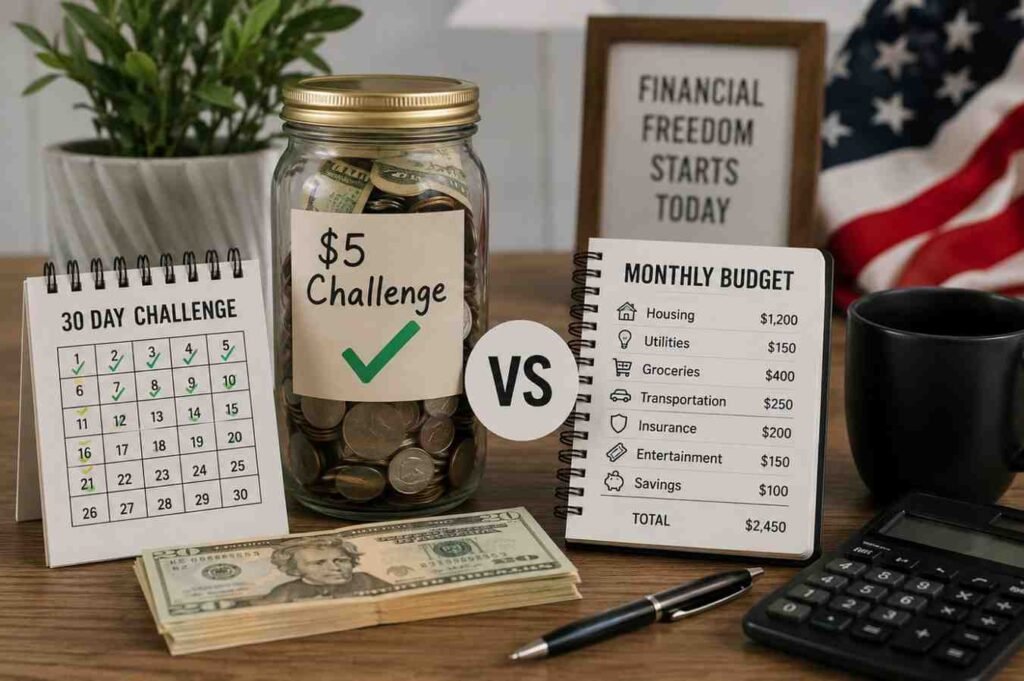

A loan journey can feel serious, but rewards can make it feel more supportive. For lenders, fintech apps, credit unions, and loan marketplaces, types of loyalty programs turn repayment, trust, education, and repeat borrowing into a better experience without making finance pushy.
Key Takeaways
- Responsible loan rewards should support better repayment habits, not unnecessary borrowing.
- Points, tiers, paid perks, and cash-back models work when rules stay clear.
- Referral, coalition, value-based, and punch card models add trust and engagement.
- Omnichannel and gamified features make borrower journeys smoother across apps and branches.
- The best program fits borrower habits, loan frequency, and compliance needs.
Why Types Of Loyalty Programs Exist?
Types of loyalty programs matter in loans because borrowers choose trust before rewards. A smart program can improve retention, encourage on-time payments, reduce servicing friction, and make borrowers feel seen. In lending, loyalty should reward responsible behavior, financial confidence, not pressure people into debt.
Common Loyalty Program Structures
These core models are popular because borrowers understand them quickly, and lenders can connect them to clear actions.
Points-Based Rewards
A points-based program lets borrowers earn a redeemable currency for approved actions. In retail, that usually means earning points per dollar spent. In loans, it can mean earning points for autopay setup, on-time installments, document completion, credit education, or milestones.
The points can become fee discounts, credit monitoring access, budgeting tools, gift cards, or partner benefits. This model suits personal loans, credit-builder loans, refinance products, and fintech platforms.
Tiered Status Benefits
A tiered loyalty program gives borrowers better perks as they reach milestones. Instead of Silver, Gold, and Platinum based only on spending, loan brands can use repayment history, account age, education modules, or successful loan closure as tier signals.
This works well for premium, infrequent-purchase lending such as mortgages, auto loans, and home loans. Higher tiers may unlock priority support, faster document review, check-ins, or reduced fees, while underwriting stays separate.
Subscription Perks
A subscription or paid VIP model asks customers to pay a monthly or yearly fee for premium benefits. For loans, this must be handled carefully, because borrowers should never pay extra for fair service.
Used ethically, it can include credit monitoring, identity protection, budgeting software, loan planning tools, or dedicated support. This model fits lenders with frequent retail-finance customers or fintech ecosystems where users value money management services.
Cash-Back Value
Cash-back programs return a percentage of spending as money, store credit, or digital value. In loans, the safer version is a fee-back or reward-credit model connected to positive repayment behavior, not new borrowing.
For example, a borrower may receive a small servicing credit after completing a loan without missed payments. The appeal is transparent. The lender must explain eligibility, timing, limits, and loan-term impact.
Specialized Loyalty Models

These models add variety and emotional relevance, especially when a lender wants more than earn-and-burn.
Punch Card Rewards
A punch card program follows the classic “complete a set number of actions, earn a benefit” idea. Instead of buying ten coffees, a borrower might complete five wellness lessons, make six timely payments, or finish a checklist.
This model is easy to gamify and track through a mobile app. It works best for credit-builder loans, small-dollar loans, and education campaigns where lenders want visible progress.
Value-Based Loyalty
Value-based loyalty connects rewards with borrower ethics and community impact. A lender may donate to financial literacy programs, housing support, veteran services, or local causes when borrowers reach milestones.
This approach builds emotional loyalty because money decisions are personal. Borrowers appreciate brands that support financial wellness, not just transactions. It is useful for credit unions, community banks, and mission-led loan providers.
Coalition Rewards
A coalition program brings multiple non-competing brands together under a shared reward system. In lending, this could include an auto lender, insurance partner, maintenance provider, budgeting app, and fuel savings partner.
The benefit is faster reward accumulation and stronger everyday relevance. A mortgage borrower may value moving services and home maintenance offers. An auto loan customer may prefer insurance, servicing, and roadside-assistance perks.
Referral Incentives
Referral programs reward customers for bringing in qualified borrowers. This can reduce acquisition costs, but loan brands must avoid making referrals feel aggressive or misleading.
A good referral reward appears only after the referred person completes an eligible action. Rewards may include gift cards, account credits, education benefits, or charitable donations. The message should focus on trust.
Omnichannel And Gamified Enhancements

Modern loyalty works best when rewards feel easy, connected, and personal across every borrower touchpoint.
Gamified Engagement
Gamification turns the loyalty journey into challenges, badges, progress bars, and milestone celebrations. A borrower might complete a budgeting challenge, repayment streak, credit score lesson, or savings goal inside a loan app.
The experience should feel motivating, not childish. In loans, gamification works when it encourages confidence, clarity, and responsible habits. It should never create urgency around borrowing more.
Omnichannel Access
Omnichannel integration connects the loyalty experience across websites, apps, branches, call centers, emails, and finance desks. A borrower should see the same reward status everywhere.
This matters because loan journeys often move across channels. Someone may compare rates online, upload documents on mobile, speak with support by phone, and repay through an app. Smooth rewards reduce friction.
How To Use Types Of Loyalty Programs

A practical plan helps lenders choose rewards that fit borrower behavior, loan products, and brand goals.
Study Borrower Habits
Start by reviewing how often borrowers interact with your brand. A personal loan customer may engage monthly through repayments, while a mortgage customer may need long-term service, education, and homeownership support.
Use this insight to choose the right structure. High-frequency customers may enjoy points or punch cards. Premium borrowers may prefer tiers. Purpose-driven communities may respond better to value-based rewards.
Match Rewards To Loan Goals
Next, connect rewards to responsible actions. Choose behaviors such as on-time payments, autopay enrollment, completed education, accurate document uploads, account reviews, or successful repayment completion.
For business-focused lenders, loyalty benefits can also point entrepreneurs toward helpful funding resources like women-owned business startup loans when they need support that fits their growth stage.
Then pick rewards that reduce stress. Helpful options include fee credits, financial coaching, credit monitoring, budgeting tools, partner discounts, priority support, or milestone recognition. The reward should feel useful.
Keep Rules Clear
Finally, explain everything in plain language. Borrowers should know how rewards are earned, when they become available, what expires, and what does not affect approval, APR, or underwriting.
Clear rules support E-E-A-T because they show experience, expertise, authority, and trust. In finance, transparency is not a bonus. It is the foundation of customer loyalty.
Clear education also matters for borrowers facing difficult repayment situations, especially when they are searching for answers to questions like file bankruptcy on student loans before choosing their next financial step.
Frequently Asked Questions
1. What Types Of Loyalty Programs Are There?
Types of loyalty programs include points-based, tiered, subscription, cash-back, punch card, value-based, coalition, referral, omnichannel, and gamified models. Loan brands should adapt them around responsible repayment and borrower support.
2. What Are The Four Types Of Loyalty?
The four types are usually behavioral, emotional, transactional, and advocacy loyalty. In lending, emotional and behavioral loyalty matter most because borrowers return when they trust service, clarity, and support.
3. What Are The Different Kinds Of Loyalty?
Different kinds include brand loyalty, customer loyalty, relationship loyalty, price loyalty, incentive loyalty, and community loyalty. For loans, relationship loyalty is strongest because borrowing depends heavily on confidence and credibility.
4. What Are The 3 R’s Of Loyalty?
The 3 R’s are rewards, relevance, and recognition. In loan loyalty programs, that means useful benefits, personalized borrower support, and appreciation for responsible actions like timely repayment and education.
Final Payoff: Loyalty That Feels Human
The best types of loyalty programs for loans do not copy retail rewards blindly. They reward responsible habits, simplify repayment, and make borrowers feel respected. Whether you choose points, tiers, subscription perks, cash-back, referrals, or coalition rewards, keep trust at the center. In lending, loyalty grows when customers feel guided and confident.