
Borrowers remember lenders who make money decisions feel less stressful. Loyalty program success stories show how smart rewards, clear guidance, and timely support can turn a simple loan journey into a trusted long-term relationship.
In loans, loyalty is not about pushing more borrowing. It is about rewarding responsible behavior and making every borrower feel valued.
That is why loan marketers should study real reward mechanics, not just famous brand names. The goal is to borrow the strategy, then adapt it to credit checks, repayment journeys, risk rules, and customer care.
Done well, loyalty becomes a service promise, not a sales shortcut for teams chasing stronger retention and lasting trust in a careful way.
Key Takeaways
- Loan loyalty works best when rewards encourage responsible repayment.
- Trust and ease matter more than flashy perks in loan rewards.
- Strong programs use personalization, referrals, education, and tiers.
- Success depends on tracking retention and repeat applications.
- Key metrics include on-time payments, customer lifetime value, and borrower satisfaction.
Why Loyalty Drives Loan Growth?
Loyalty program success stories matter in loans because borrower trust is hard to win and easy to lose. A helpful program can improve retention, encourage timely repayment, reduce acquisition costs, and increase lifetime value. For lenders, loyalty becomes stronger when rewards support financial wellness, not unnecessary borrowing.
Loan Loyalty Is Different
Loan customers need confidence, not gimmicks. This section explains why lending rewards must feel practical, transparent, and borrower-first.
Trust Comes First
A borrower is not buying a snack or a beauty product. They may be funding a home, education, vehicle, emergency, or business need. That makes the relationship sensitive. Rewards must never create pressure or confusion.
A good loan loyalty program rewards actions that help the borrower succeed. On-time EMI payments, updated documents, auto-debit setup, repayment education, and responsible referrals are safer than rewards that simply encourage another loan.
Compliance Shapes Rewards
Loan brands must follow lending rules, disclosure standards, and fair marketing practices. A loyalty benefit should not sound like guaranteed approval, fixed interest savings, or instant credit access for everyone.
The best approach is simple language. Tell borrowers what they can earn, when they can use it, and what eligibility conditions apply. That clarity improves trust, SEO quality, and conversion.
Starbucks Style: Mobile-First Ease
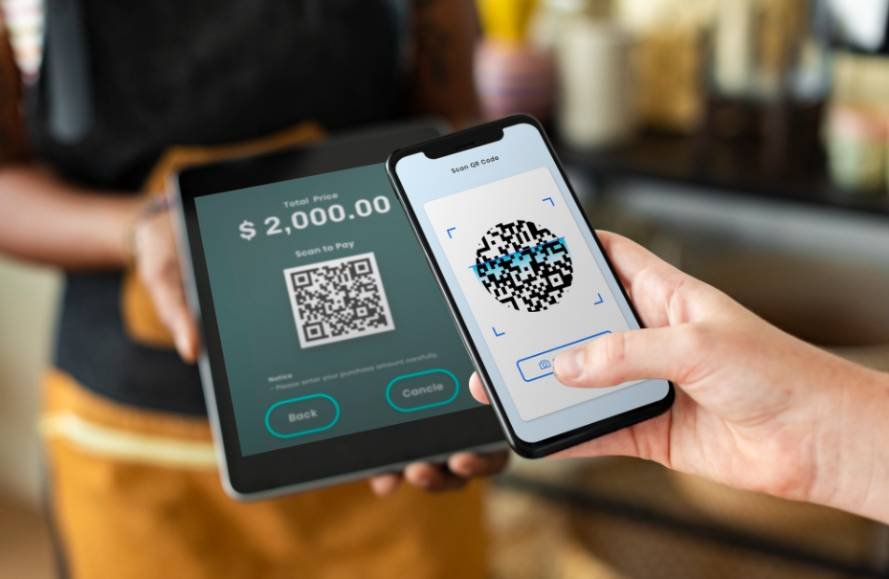
Starbucks made loyalty easy through app payments, pre-loaded value, order-ahead features, and Stars. Loan brands can learn from that convenience-first thinking.
Make Repayment Effortless
For loans, the “mobile-first” idea can become a repayment dashboard. Borrowers should see due dates, EMI history, reward status, payment receipts, and support options in one place.
A lender can reward borrowers for enabling reminders, setting auto-pay, downloading statements, or making on-time payments through the app. Convenience becomes loyalty because the customer saves time.
Track Better Habits
Instead of Stars, a loan brand can use relationship points or milestone badges. These should be linked to responsible actions, not loan size alone.
For example, six timely repayments could unlock faster document review for a future eligible application. Twelve timely repayments could unlock a processing-fee waiver coupon, subject to policy.
Sephora Style: Tiered Borrower Value
Sephora’s Beauty Insider program uses tiers to make members feel recognized. Lenders can use tiering too, but it must be fair, useful, and compliant.
Reward Long-Term Discipline
A loan loyalty tier can be based on repayment consistency, relationship age, completed loan closure, and verified profile quality. This rewards discipline instead of risky borrowing.
A “Silver” borrower may receive priority support. A “Gold” borrower may receive lower documentation effort on future eligible products. A “Platinum” borrower may receive financial planning sessions or renewal guidance.
Personalize The Experience
Loan customers do not all need the same benefit. A home loan borrower may value document assistance. A personal loan borrower may prefer faster service. A business loan borrower may need cash-flow education.
Personalized rewards improve retention because they solve real problems. They also help lenders build deeper customer segments for future communication.
Dropbox Style: Responsible Referrals
Dropbox grew by rewarding users for inviting friends. Loan referrals can work too, but the rules need more care.
Reward Quality Leads
A loan referral program should reward borrowers only after a referred applicant meets defined eligibility steps. This prevents spam leads and keeps the program fair.
The reward could be a gift voucher, servicing benefit, or fee waiver on a future eligible loan. The lender should clearly explain that referrals do not guarantee approval.
Protect The Borrower
Referral messaging should be honest. Existing customers should not feel pushed to recommend loans to people who do not need them.
A responsible referral program can include educational prompts, eligibility checks, and clear consent. That keeps growth aligned with borrower wellbeing.
Lenders can also support responsible borrower education by sharing resources that explain whether someone can you file bankruptcy on student loans before they take on more debt or recommend loan products to others.
IKEA Style: Everyday Relationship Perks

IKEA Family gives members practical value during regular visits. Loan brands can build the same feeling through everyday support, not just big rewards.
Add Small Helpful Benefits
Borrowers appreciate small moments of care. Free credit-score education, repayment reminders, statement downloads, document storage, and priority callback windows can all strengthen loyalty.
These benefits may seem simple, but they reduce friction. In lending, less friction often feels like a premium experience.
Build Financial Comfort
A lender can offer members calculators, budget guides, EMI planning tools, and debt management explainers. These benefits build trust without pushing a sale.
This also supports E-E-A-T because the brand shows expertise and helpfulness. Search engines reward content that answers real user needs clearly.
Edgard & Cooper Style: Purpose And Gamification
Edgard & Cooper uses playful rewards and purpose-led choices. In loans, gamification must stay mature, but it can still motivate better habits.
Turn Milestones Into Motivation
Loan brands can celebrate responsible milestones such as first on-time payment, halfway repayment, successful closure, or completion of a financial literacy module.
These small wins make the repayment journey feel less heavy. They also encourage borrowers to stay engaged with the lender’s platform.
Offer Purpose-Led Choices
Some borrowers may prefer practical rewards, while others may like social impact options. A lender could let members convert reward value into financial education sponsorships or community support initiatives.
Purpose-led choices make loyalty feel meaningful. They can also improve brand perception among younger borrowers who care about values.
How To Build Loyalty Program Success Stories

Loyalty program success stories in loans start with a simple plan, clear rewards, and honest measurement.
For practical growth ideas, lenders can also study how to increase sales loyalty program strategies support repeat borrowing, stronger retention, and borrower trust.
Map The Borrower Journey
Start by studying the full borrower journey. Look at application, approval, disbursal, repayment, support, closure, and repeat need.
Then assign one helpful loyalty moment to each stage. During application, reward complete documentation. During repayment, reward timely EMIs. At closure, recognize successful completion.
Choose Safe Rewards
Pick rewards that support financial health. Good options include fee-waiver coupons, priority support, financial education, repayment reminders, simplified documentation, and referral benefits with clear rules.
Avoid rewards that push unsuitable debt. A loyalty program should make borrowers feel empowered, not pressured.
Measure Real Results
Track repeat application rate, repayment punctuality, referral conversion, support resolution time, retention, net promoter score, and customer lifetime value.
Compare loyalty members with non-members. This shows whether the program truly improves borrower behavior, trust, and business growth.
Frequently Asked Questions
1. What Are Loyalty Program Success Stories In Loans?
Loyalty program success stories in loans are examples of lenders using rewards, education, referrals, and personalized service to improve borrower retention, repayment behavior, satisfaction, and long-term customer value.
2. Can Loan Rewards Reduce Interest Rates?
They can sometimes support relationship-based offers, but any rate benefit depends on eligibility, credit profile, lender policy, and regulations. Programs should avoid promising lower rates to every borrower.
3. How Can Lenders Measure Success?
Lenders can measure success through repeat borrowing, on-time repayment, referral quality, redemption rate, satisfaction scores, support costs, and customer lifetime value across different borrower segments.
4. Are Referral Programs Good For Loans?
Yes, referral programs can work when they follow clear eligibility rules, protect borrower consent, avoid misleading claims, and reward only genuine qualified actions or completed milestones.
Loyalty That Pays Back
The best loyalty program success stories in loans are built on trust, not tricks. Borrowers stay loyal when lenders reward responsible repayment, explain terms clearly, personalize support, and make money decisions easier. Build the program around borrower wellbeing, measure every result, and your loan brand can turn one-time customers into long-term relationships.
