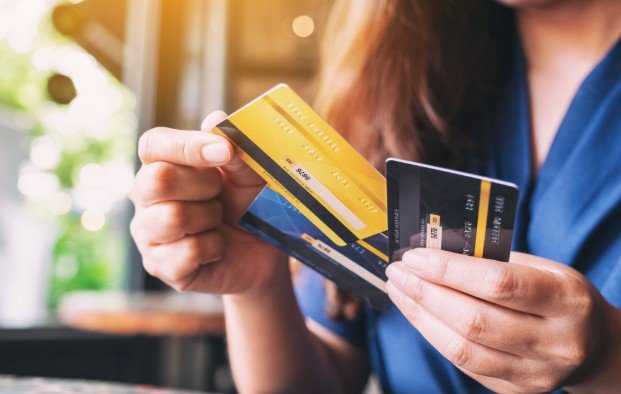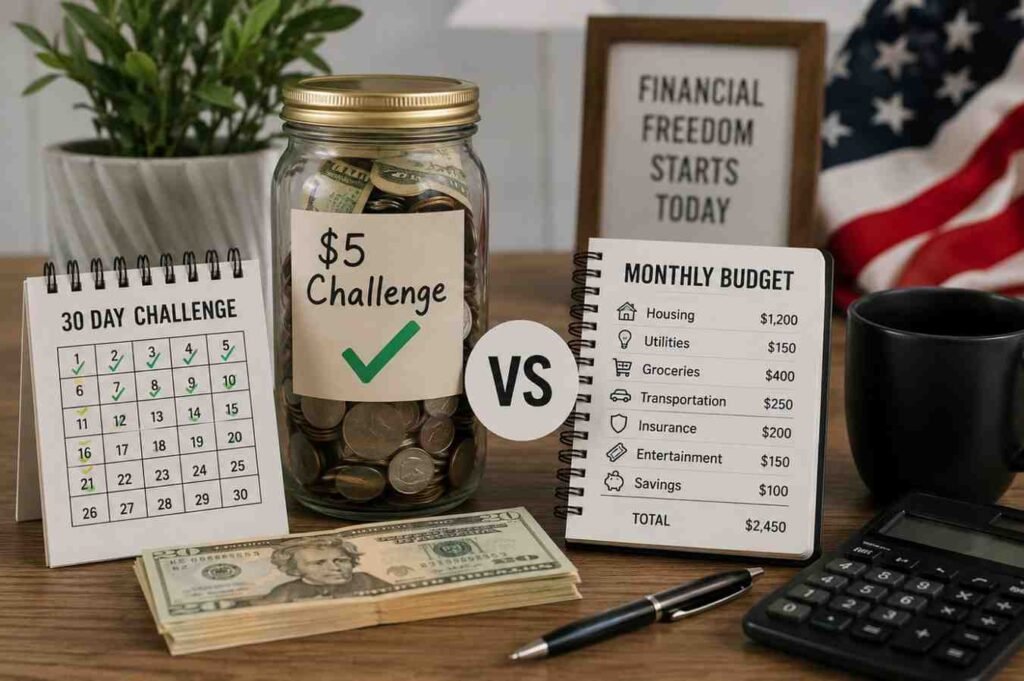

Swipe whatever card was easiest to grab, then wonder why my budget felt messy at the end of the month. Some purchases felt safer on credit, while others made more sense with debit. That is why Debit Card vs Credit Card: Which Is Better for Daily Spending? matters for anyone trying to spend smarter without overcomplicating money.
The simple answer is this: a credit card is usually better for daily spending if you pay the full balance every month. A debit card is better if you want strict spending control and do not want any chance of carrying debt. The smartest choice is not always one card. It is knowing when each card protects your money better.
Debit Card vs Credit Card: The Main Difference
A debit card pulls money directly from your checking account. When you buy groceries, pay for coffee, or order food, the money leaves your account quickly. That makes debit simple and easy to understand.
A credit card lets you borrow money from the card issuer and repay it later. If you pay the full statement balance on time, you can avoid interest while still getting benefits like rewards, purchase tracking, fraud protection, and credit-building products.
That one difference changes everything. Debit keeps you close to your real bank balance. Credit gives you more protection and perks, but only if you use it responsibly.
When a Credit Card Is Better for Daily Spending
A credit card can be the smarter daily card for groceries, gas, online shopping, subscriptions, restaurants, and travel bookings. The biggest reason is protection. If someone makes an unauthorized charge, your checking account is not drained while the issue is reviewed.
Credit cards also give you a chance to earn cash back, points, or travel rewards on purchases you already make. If you spend on groceries, fuel, streaming services, phone bills, and takeout every month, those rewards can add up.
Another benefit is credit history. Debit card use usually does not help build credit. A credit card can help when you keep balances low, pay on time, and avoid maxing out your limit.
Credit cards are especially useful for online purchases. If a seller does not deliver, charges the wrong amount, or a subscription renews unexpectedly, a credit card often gives you a stronger dispute path than a debit card.
When a Debit Card Is Better for Daily Spending
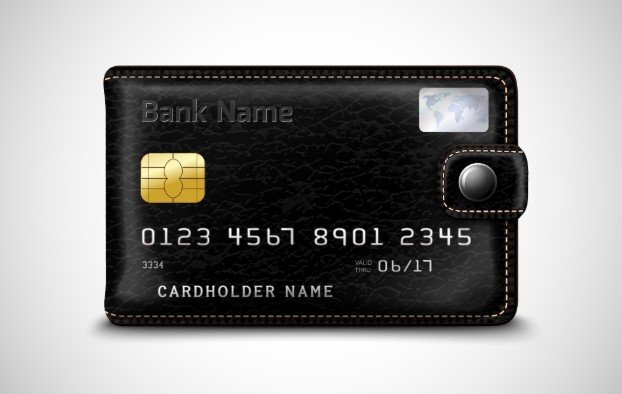
A debit card is better when your main goal is spending discipline. Since it uses money you already have, it can stop you from buying more than your budget allows.
Debit works well for small routine purchases, ATM and POS terminal skimming, and people who do not want to manage a monthly card balance. It can also be helpful if credit cards tempt you to overspend.
For beginners, debit feels easier because there is no bill later. You buy something, the money leaves your account, and the transaction is done. That simplicity can be valuable if you are building better money habits.
Still, debit cards need caution. If fraud happens, the money may leave your checking account first. That can create stress if your rent, bills, or daily essentials depend on that balance.
Best Card for Groceries, Gas, and Everyday Purchases
Groceries
Credit is usually better for groceries if your card earns cash back or points in supermarket categories. Groceries are predictable expenses, so they are easy to budget and pay off.
Debit may be better if you shop without a list or often overspend in stores. In that case, debit can keep you closer to your real budget.
Gas
Credit cards are often better at gas stations because fuel pumps can be a higher-risk place for card skimming. A credit card adds a layer between the charge and your checking account.
Debit can still work, but using it at the pump may place a temporary hold on your account. That can reduce your available balance for a short time, making it harder to avoid credit card late fees if you rely on that same account for payments.
Online Shopping
Credit is usually the better choice for online shopping. It gives stronger practical protection if a package never arrives, a seller makes an error, or your card details are stolen. Debit should be used carefully online, especially on unfamiliar websites.
Restaurants and Food Delivery
Credit is usually better for restaurants and delivery apps because these purchases are easy to track and may earn rewards. It also keeps your checking account safer when your card number is stored in multiple apps. Debit is fine for dining if you are trying to stay within a weekly spending limit.
Subscriptions and Bills
Credit cards are helpful for subscriptions because they make recurring charges easier to monitor in one place. They can also prevent your checking balance from being directly affected by surprise renewals.
Debit is better only if you want bills to come straight from your available cash and you check your account often.
Which Card Is Safer?
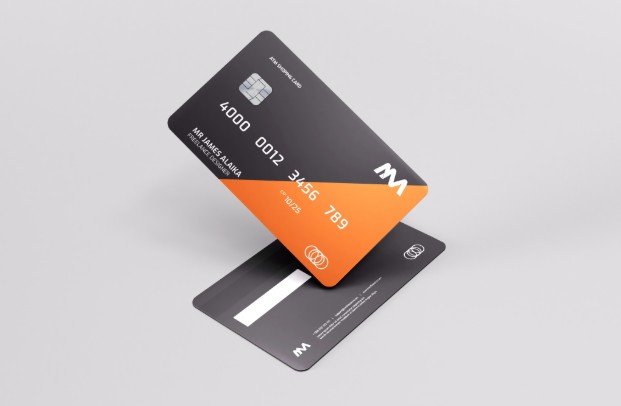
For most daily purchases, credit cards are safer in practical terms because they do not pull money directly from your checking account. If there is fraud, you are disputing a charge instead of trying to recover money that already left your bank.
Debit cards can still have protection, but timing matters. If you wait too long to report a lost card or scammed by unauthorized transfer, your responsibility can increase. That is why debit should be used carefully for online purchases, gas pumps, hotels, and unfamiliar merchants.
A good rule is simple: use credit when the purchase involves risk, travel, online payment, or a stored card number. Use debit when you need cash or want stricter budget control.
Which Card Saves More Money?
A credit card can save more money if you pay it off fully and earn rewards. Cash back on groceries, gas, dining, and everyday bills can turn normal spending into small savings. But credit card interest can erase every reward fast. If you carry a balance, the card may cost more than it gives back. Late fees, high interest, and overspending are the real dangers.
Debit cards do not usually offer the same rewards, but they can help you avoid debt. That makes debit valuable for anyone who wants simple spending without a monthly repayment plan. The winner depends on your habits. Credit saves more for disciplined users. Debit protects people who need stronger spending boundaries.
The Smartest Strategy: Use Both Cards the Right Way
The best daily spending system is not debit only or credit only. It is using each card for the right job. Use a credit card for groceries, gas, online purchases, subscriptions, travel, restaurants, and bills you can pay off in full. This gives you rewards, tracking, protection, and possible credit-building benefits.
Use a debit card for ATM withdrawals, strict budget categories, and times when you do not want to risk adding to a card balance. I also like the weekly payoff method. Instead of waiting until the due date, pay your credit card once a week. That keeps spending visible and helps prevent a surprise balance.
Frequently Asked Questions
1. What is Debit Card vs Credit Card: Which Is Better for Daily Spending?
The better card depends on your spending habits. Credit is usually better for protection, rewards, online shopping, and building credit. Debit is better for budgeting, cash access, and avoiding debt.
2. Is a credit card better than a debit card for groceries?
Yes, if you pay the balance in full and earn rewards. A credit card can turn grocery spending into cash back or points. Debit is better if you need tighter control at the store.
3. Should I use a debit card for gas?
You can, but a credit card is usually safer at gas stations. It can reduce the risk of your checking account being affected by fraud or temporary holds.
4. Can a debit card build credit?
Usually, no. A regular debit card does not report payment history to credit bureaus. A credit card can help build credit when used responsibly.
5. Is using a credit card bad if I pay it off every month?
No. Paying in full every month is one of the best ways to use a credit card. You can avoid interest while getting rewards, protection, and credit history benefits.
Final Swipe
When I look at everyday spending, I do not see one perfect card. I see two tools. Credit is the better choice when I want protection, rewards, and a stronger record of my purchases. Debit is the better choice when I want simple control and no chance of carrying debt.
For most people, the smartest move is to use credit for safe, planned purchases and debit for cash access or strict budget categories. That way, your daily spending becomes easier to manage, safer to track, and more rewarding over time.