I used to think debit cards were the “safe” way to spend because the money came straight from my checking account. No borrowing, no interest, no complicated reward rules. But that does not mean debit cards are always free. Many costs are tied to the bank account, ATM network, overdraft settings, international purchases, or prepaid card rules.
That is why understanding Hidden Debit Card Fees You Should Know About matters before a small transaction turns into an annoying charge. A debit card can still be smart, simple, and budget-friendly, but only when you know where the fees usually hide.
What Are Hidden Debit Card Fees?
Hidden debit card fees are charges that may not be obvious when you swipe, tap, withdraw cash, or shop online. Some fees come directly from your bank. Others come from an ATM owner, merchant, card network, or prepaid card provider.
The tricky part is that many people do not notice these charges until they check their account statement. A $3 ATM fee, a $35 overdraft fee, or a 3% foreign transaction fee may look small alone, but they can add up quickly if you repeat the same habits.
Common Debit Card Fees That Catch People Off Guard
Monthly Maintenance Fees
A debit card is usually connected to a checking account, and that account may have a monthly maintenance fee. Some banks waive it if you maintain a minimum balance, receive direct deposit, or meet transaction requirements.
Before opening an account, check whether the “free debit card” is attached to an account that costs money every month. A no-fee checking account or credit union account may be a better choice if you want simple everyday banking.
Out-of-Network ATM Fees
ATM fees are among the most common debit card costs. If you use an ATM outside your bank’s network, your bank may charge a fee. The ATM owner may also charge a separate surcharge.
That means one withdrawal can create two fees. To avoid this, use your bank’s ATM locator, withdraw cash from in-network machines, or choose an account that reimburses ATM fees.
Overdraft Fees
Overdraft fees can happen when a debit card transaction goes through even though your account does not have enough money. Some banks charge a high fee for covering the transaction.
The best move is to turn off optional debit card overdraft coverage, set low-balance alerts, and keep a small cushion in your checking account. If your bank offers free overdraft transfers from savings, that may also help.
Insufficient Funds Fees
When learning how debit cards work for beginners, it is important to understand fees like insufficient funds charges. An insufficient funds fee may appear when a payment is declined or returned because there is not enough money in your account. This is different from an overdraft because the bank may reject the transaction instead of covering it.
Always watch pending transactions, automatic payments, and card holds. Gas stations, hotels, and rental services may temporarily hold more than the final purchase amount.
Foreign Transaction Fees
A debit card may charge a foreign transaction fee when you buy something in another currency or when the transaction is processed outside your country. This can happen while traveling or even while shopping on an international website.
Some banks charge around 1% to 3% for foreign transactions. If you travel often, look for a debit card or checking account with no foreign transaction fees.
Currency Conversion Fees
Currency conversion fees can appear when a payment network converts your purchase into your home currency. This may be separate from your bank’s foreign transaction fee.
When traveling, avoid dynamic currency conversion at checkout. If a merchant asks whether you want to pay in dollars or local currency, local currency is often the smarter choice because your bank or card network may offer a better conversion rate.
Debit Card Replacement Fees
Losing a debit card is stressful, but the replacement fee can make it worse. Some banks replace cards for free, while others charge for standard or rush delivery.
If you misplace your card, use your banking app to lock it first. That can protect your account while you search for it. If the card is truly lost or stolen, report it quickly.
Prepaid Debit Card Fees
Prepaid debit cards can be useful, but they often come with more fees than regular bank debit cards. You may see reload fees, inactivity fees, ATM withdrawal fees, balance inquiry fees, monthly fees, or paper statement fees.
Read the fee schedule before loading money. A prepaid card that looks convenient at first can become expensive if you use it often.
How Much Can Debit Card Fees Cost?
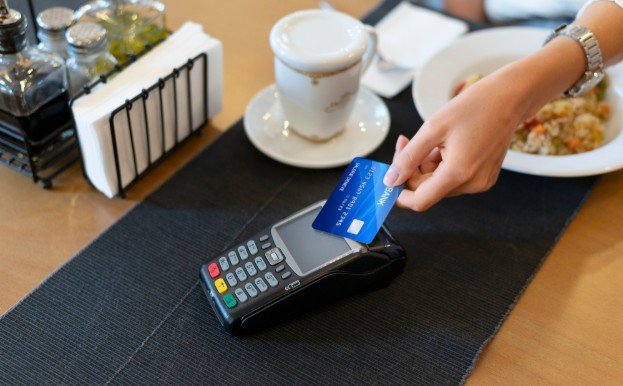
The cost depends on your bank and account type. A few dollars here and there may not seem serious, but regular fees can drain your budget.
For example, using an out-of-network ATM every week can cost hundreds of dollars in a year. One overdraft can cost more than the purchase itself. Foreign transaction fees can quietly raise the price of travel, online shopping, hotel bookings, and international subscriptions.
This is why Hidden Debit Card Fees You Should Know About should be treated as part of your monthly money checkup, not just a banking detail.
How to Avoid Debit Card Fees
Start by reading your account fee schedule. It may sound boring, but it tells you what the bank can charge and when. Then set account alerts for low balances, deposits, withdrawals, and large purchases.
Use in-network Asynchronous Transfer Mode whenever possible. Keep enough cash on hand so you are not forced to use a random ATM in a hurry. If you travel, choose a bank with low international fees or ATM reimbursements.
Avoid overdraft by tracking pending payments. Do not rely only on the balance shown in your app if you have automatic bills coming soon. Also, be careful with prepaid cards unless you clearly understand every fee.
Debit Card Fee Checklist Before You Swipe
Before using your debit card, ask yourself a few quick questions. Is this ATM in my bank’s network? Do I have enough available money after pending payments? Is this purchase being processed in another currency? Does this merchant charge a convenience fee? Is my prepaid card charging reload or inactivity fees? These questions take seconds, but they can prevent surprise charges.
Frequently Asked Questions
1. Do debit cards have hidden fees?
Yes, debit cards can have hidden or easy-to-miss fees. These may include ATM fees, overdraft fees, foreign transaction fees, replacement fees, prepaid card fees, and checking account charges.
2. What are the most common Hidden Debit Card Fees You Should Know About?
The most common ones include out-of-network ATM fees, overdraft fees, monthly maintenance fees, foreign transaction fees, currency conversion fees, and prepaid debit card fees.
3. Can I avoid ATM fees with a debit card?
Yes. Use your bank’s ATM network, get cash back at stores when available, choose accounts with ATM fee refunds, or plan withdrawals ahead of time.
4. Can a debit card charge foreign transaction fees?
Yes. Many debit cards charge foreign transaction fees when you shop internationally, travel abroad, or buy from websites that process payments outside your country.
5. Are prepaid debit cards more expensive?
They can be. Some prepaid cards charge monthly fees, reload fees, ATM fees, inactivity fees, and balance inquiry fees. Always read the fee schedule first.
Final Thoughts
I still like debit cards for simple spending, but I no longer assume they are automatically free. The real cost often depends on how, where, and when the card is used.
A debit card can help you stay within your budget, avoid debt, and control everyday purchases. But the smartest move is to understand the account rules, avoid unnecessary ATM trips, monitor your balance, and choose a bank that does not punish normal spending habits. Once you know where the fees hide, you can keep more of your money where it belongs.