I still remember the first time I paid for coffee with just a tap on my phone. No cards, no cash, no fumbling—it felt like magic. That moment made me curious: how do digital wallets work? Once I dug in, I realized these apps are far more than convenient—they’re a secure, fast, and surprisingly powerful replacement for traditional wallets.
Understanding Digital Wallets
At its core, a digital wallet is a software app on your smartphone, smartwatch, or computer that stores payment cards, tickets, IDs, and even loyalty rewards. Think of it as your traditional wallet—without the bulk—and with layers of encryption that make your transactions safer than ever.
What You Can Keep Inside
I’ve personally loaded my wallet with a mix of essentials:
- Credit, debit, and prepaid cards
- Flight boarding passes and train tickets
- Concert, movie, and sports event passes
- Store loyalty rewards and digital coupons
- Digital car keys, hotel keys, and supported government IDs
This consolidation makes life easier, especially when traveling or juggling multiple accounts.
The Technology Behind Digital Wallets
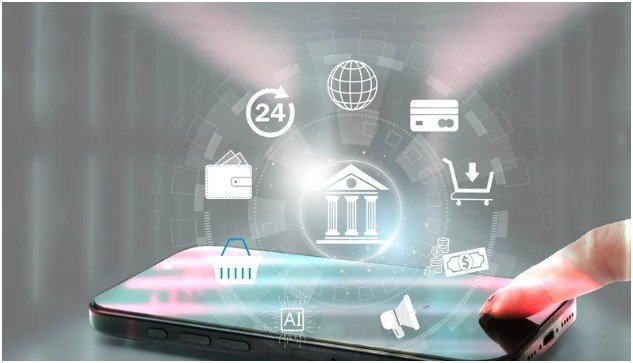
Digital wallets rely on a combination of encryption, tokenization, and wireless communication protocols to keep your payments secure. Understanding these makes it clear why they are safer than carrying physical cards.
Tokenization
Instead of sharing your real card number with merchants, the wallet generates a one-time token. This token acts as a stand-in for your actual card, meaning even if someone intercepts it, it’s useless after a single transaction.
Wireless Communication
For in-store payments, digital wallets use:
- NFC (Near-Field Communication): Hold your device near a compatible terminal, and your encrypted token transfers wirelessly in seconds.
- QR Codes: Scan or generate codes to share transaction details online, ideal for smaller merchants or contactless payments.
Biometric & Device Security
Before any transaction goes through, the wallet verifies your identity using Face ID, fingerprints, or a secure PIN. Lost your phone? You can remotely wipe your wallet, locking out thieves instantly.
Step-by-Step: How a Transaction Happens
I like to think of it like a mini relay race, all completed in under two seconds:
- Initiation: Unlock your device and tap it near an NFC terminal or scan a merchant’s QR code.
- Transmission: Your wallet sends the encrypted token and dynamic transaction metadata to the terminal.
- Routing: The merchant routes the data through traditional payment networks (Visa, Mastercard, or other processors) to your bank.
- Verification: The bank decrypts the token, checks funds, authorizes the payment, and sends confirmation back to the terminal.
Even though it happens in a blink, each step has multiple security checks built in.
Types of Digital Wallets
Knowing the type of wallet you’re using can influence convenience, availability, and security:
- Open Wallets: Linked directly to your bank account or card, usable almost anywhere globally (Apple Wallet, Google Wallet).
- Semi-Closed Wallets: Preloaded funds accepted across approved merchant networks (PayPal, Venmo).
- Closed-Loop Wallets: Funds locked into a single company’s ecosystem (Starbucks App).
I personally favor open wallets for daily convenience and semi-closed wallets for online shopping.
Benefits of Using Digital Wallets

After months of using multiple wallets, I noticed three major advantages:
Stronger Security
Tokenization hides real card numbers, biometrics prevent unauthorized use, and remote wipe capabilities add an extra layer of protection.
Faster Checkout
No more digging through wallets or fumbling for exact change—tap or scan, and your payment is done in seconds.
Reduced Clutter and Organized Expenses
I love having all my passes, tickets, and loyalty cards in one place. Push notifications and digital receipts make tracking my spending effortless. Some wallets even automatically apply rewards and coupons at checkout.
Safer Online Shopping
Typing sensitive card data on unfamiliar sites is risky. With digital wallets, purchases are processed without revealing your actual card details, drastically reducing fraud exposure.
A Real-World Example
I recently booked a last-minute train ticket while rushing to a meeting. My semi-closed wallet instantly pulled the preloaded funds, applied my loyalty points, and issued a digital receipt—all in under 60 seconds. Without the wallet, I would have wasted precious time entering card numbers and printing the ticket.
Why I Recommend Everyone Learn This
Digital wallets aren’t just convenient—they’re reshaping how we handle money. For those starting out, a digital wallet guide helps you set up accounts safely, add cards, and understand transaction security.
Wrapping It Up: My Wallet, Upgraded
Switching from a leather wallet to a digital one changed how I interact with money daily. I spend less time worrying about lost cards, more time enjoying seamless purchases, and I feel confident knowing my data is encrypted. My advice? Start small, load a card, and experience the speed and security yourself.
Frequently Asked Questions
Q1: Can digital wallets replace all my physical cards?
A: Yes, you can store most cards, tickets, and IDs, but some services or older terminals may still require a physical card.
Q2: Are digital wallets safe for online shopping?
A: Absolutely. By using tokenization, your real card number isn’t shared, reducing fraud risk.
Q3: Which types of digital wallets should I use?
A: Open wallets like Apple Wallet work almost everywhere, semi-closed wallets are ideal for online or app-based transactions, and closed-loop wallets are best for brand-specific spending.
Q4: What happens if I lose my phone with a wallet app installed?
A: You can remotely lock or wipe your wallet through your cloud account to protect your funds.