

Financial uncertainty has a way of changing how people manage money. A sudden increase in living expenses, unexpected medical bills, reduced work hours, or broader economic shifts can force even financially responsible individuals to rely more heavily on credit. During these periods, maintaining a good credit score often feels less important than covering immediate needs. However, credit health becomes even more valuable when finances are under pressure.
Many people only realize the importance of a good credit score when they need financing, a new credit card, or favorable loan terms. The challenge is that financial stress can quickly lead to missed payments, higher balances, and decisions that negatively affect creditworthiness. The good news is that protecting your credit does not always require drastic changes. Consistent habits and smart decisions can help you maintain good credit even when money feels tight.
Why Good Credit Matters During Uncertain Times

A strong credit profile provides flexibility when life becomes unpredictable. Whether you need access to emergency funds, refinancing options, or lower borrowing costs, a healthy credit score can make those opportunities more accessible.
Financial uncertainty often pushes people to focus only on short-term survival. While that is understandable, protecting your credit score can prevent additional financial challenges later. Recovering from a damaged score typically takes far longer than maintaining one during difficult periods.
Protect Your Payment History First
Payment history remains one of the most important factors affecting your credit score. Even a single late payment can have a noticeable impact.
If paying your full credit card balance is not possible, prioritize making at least the minimum payment by the due date. This simple step helps preserve your payment history and reduces the risk of negative reporting.
Automating minimum payments can also be helpful. During stressful periods, deadlines are easy to overlook. Automatic payments create a safety net that keeps accounts current even when finances are stretched.
When evaluating your finances, focus on these payment priorities:
- Make all minimum credit card payments on time.
- Stay current on mortgage, auto loan, and personal loan payments.
- Set up automatic payment reminders.
- Review due dates monthly to avoid accidental delays.
Keep Credit Utilization Under Control
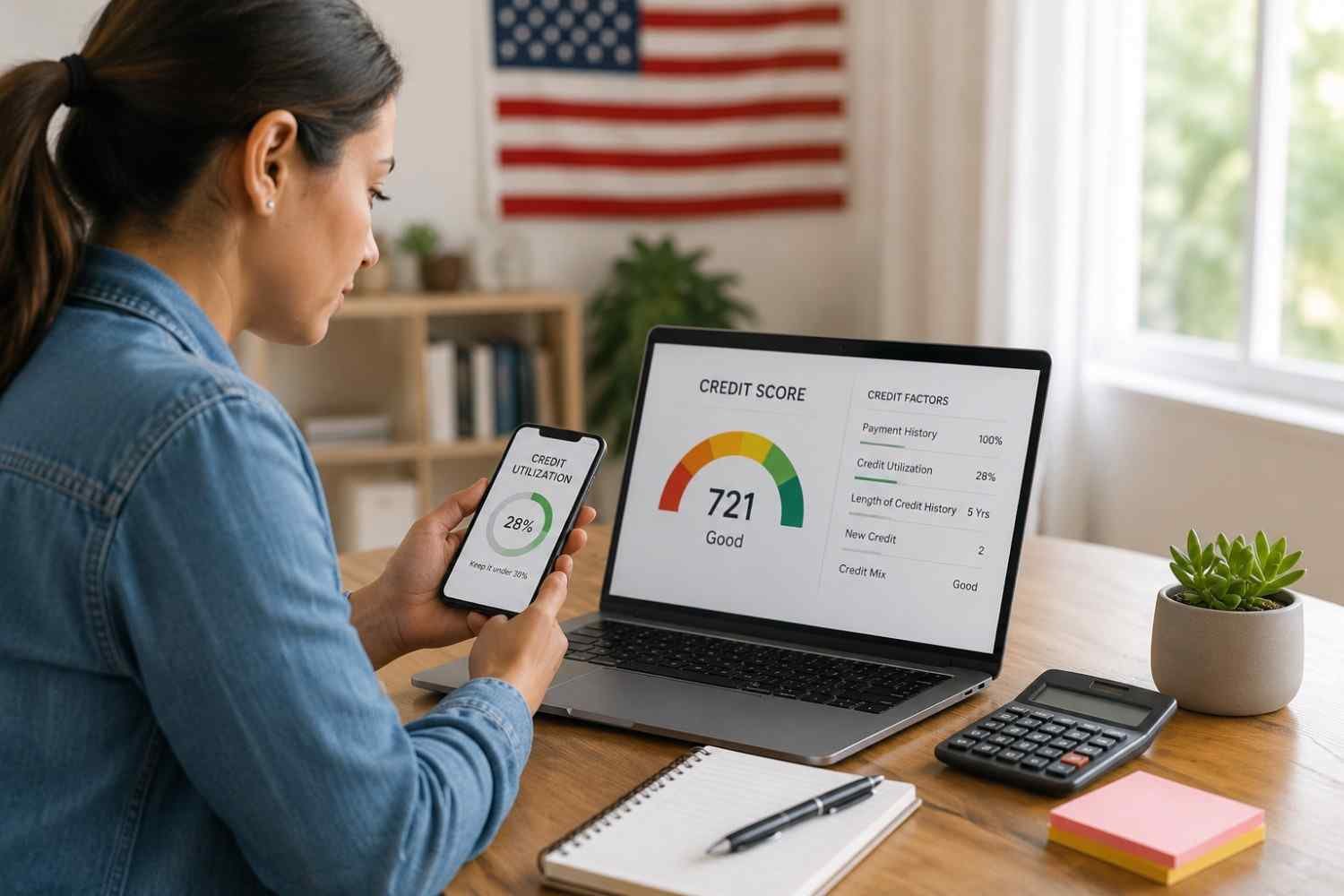
Credit utilization refers to how much of your available revolving credit you are using. High balances can quickly lower a good credit score, even when payments are made on time.
A common recommendation is to keep utilization below 30% of your available credit limit. For example, if a card has a $10,000 limit, maintaining a balance below $3,000 helps support better credit health.
Financial uncertainty often increases reliance on credit cards for essential expenses. Instead of concentrating expenses on one card, spreading balances across multiple accounts can help prevent any single card from appearing maxed out.
If your financial situation is stable enough, requesting a credit limit increase may also help lower your utilization ratio without requiring additional spending.
Build A Budget Around Cash Flow
One mistake many people make during uncertain times is focusing only on monthly expenses while ignoring cash flow timing.
Understanding when income arrives and when bills are due helps reduce the risk of missed payments. A realistic budget should account for fixed obligations, variable expenses, and emergency spending.
This is also where financial habits that build wealth become valuable. Consistent budgeting, regular account reviews, and disciplined spending not only support long-term financial goals but also help maintain good credit during difficult periods.
A budget does not need to be complicated. The goal is simply to ensure that critical obligations are covered before discretionary spending occurs.
Communicate With Lenders Before Problems Escalate

Many consumers wait until they have already missed a payment before contacting lenders. Unfortunately, that approach limits available options.
If you anticipate a financial setback, reach out to creditors as early as possible. Many lenders offer hardship programs designed to help borrowers navigate temporary challenges.
Possible relief options may include:
- Temporary payment reductions
- Deferred payments
- Lower interest rates
- Modified repayment plans
Always request written confirmation of any agreement and ask how the account will be reported to credit bureaus. Clear communication can prevent misunderstandings and help protect your credit score.
Manage Credit Accounts Strategically
During financial stress, closing unused credit cards may seem like a logical way to simplify finances. In reality, closing older accounts can sometimes hurt your credit profile.
Older accounts contribute to credit history length and increase your total available credit. Both factors support long-term credit health.
Instead of closing accounts, consider keeping them open and using them occasionally for small purchases that are paid off promptly.
At the same time, avoid opening multiple new accounts unless absolutely necessary. Frequent hard inquiries can signal increased borrowing risk and may temporarily reduce your score.
Monitor Your Credit Reports Regularly
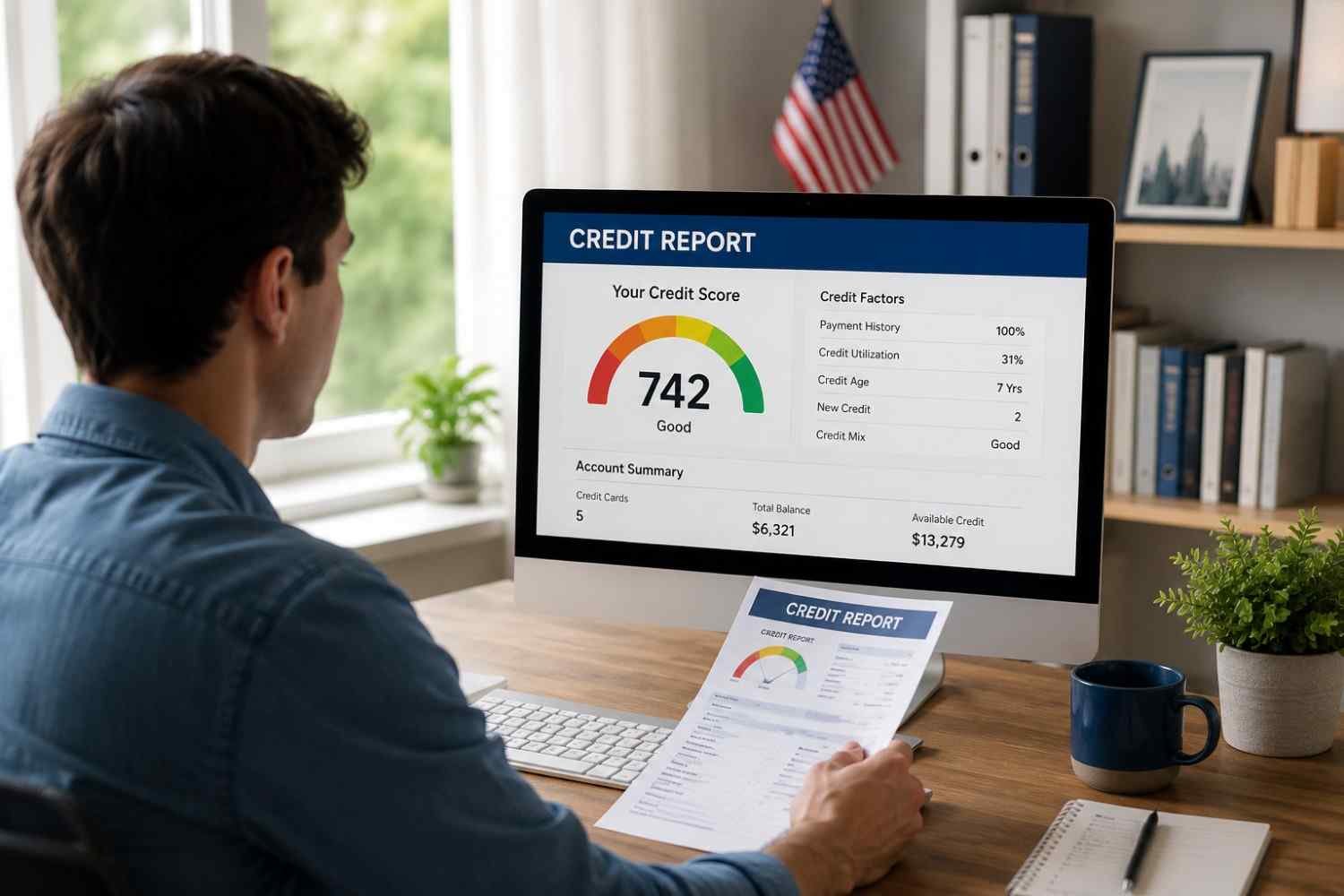
Credit monitoring becomes especially important during periods of financial uncertainty. Errors, fraudulent activity, and reporting mistakes can occur without immediate notice.
Reviewing your credit reports regularly allows you to identify issues before they become larger problems. Incorrect late payments, inaccurate balances, or unauthorized accounts can all affect your score if left unresolved.
A quick review every few months can provide valuable insight into your overall credit health and ensure that your financial efforts are accurately reflected.
FAQs: How To Maintain Good Credit Even During Financial Uncertainty
1. What Is The Most Important Factor In Maintaining Good Credit?
Payment history is generally the most significant factor. Making at least the minimum payment on time every month helps protect your credit score and demonstrates reliability to lenders.
2. How Much Credit Utilization Is Considered Healthy?
Most financial experts recommend keeping credit utilization below 30% of your available credit limit. Lower utilization levels often contribute to stronger credit scores.
3. Should I Close Credit Cards I No Longer Use?
In most cases, keeping older accounts open is beneficial because they contribute to credit history length and increase available credit, which may support a healthier utilization ratio.
4. How Often Should I Check My Credit Report?
Reviewing your credit report several times a year is a good practice. Regular monitoring helps identify reporting errors, fraudulent activity, and other issues that could affect your score.
Final Thoughts
Financial uncertainty can create pressure that makes short-term decisions feel more urgent than long-term financial health. However, maintaining good credit during challenging periods often comes down to a few consistent actions: paying on time, controlling credit utilization, communicating with lenders, and monitoring your accounts regularly. These habits help protect your financial flexibility when you need it most and position you for stronger opportunities when conditions improve.
Good credit is not built during perfect financial conditions. It is often protected through smart decisions made when circumstances are less predictable.