

Subscriptions have become part of everyday life. From streaming platforms and cloud storage to productivity software and fitness apps, recurring payments make access easy. The problem is that convenience often hides the true cost. A few dollars here and there may not feel significant, but over time, those charges can quietly reshape a budget without attracting much attention.
I’ve noticed that many people can recall major purchases immediately, yet struggle to list all the subscriptions they pay for each month. Businesses face a similar challenge. Teams sign up for tools to solve immediate problems, and before long, recurring charges pile up across departments. This is why subscription spending management has become an essential financial habit rather than an optional exercise.
Why Subscription Costs Often Go Unnoticed
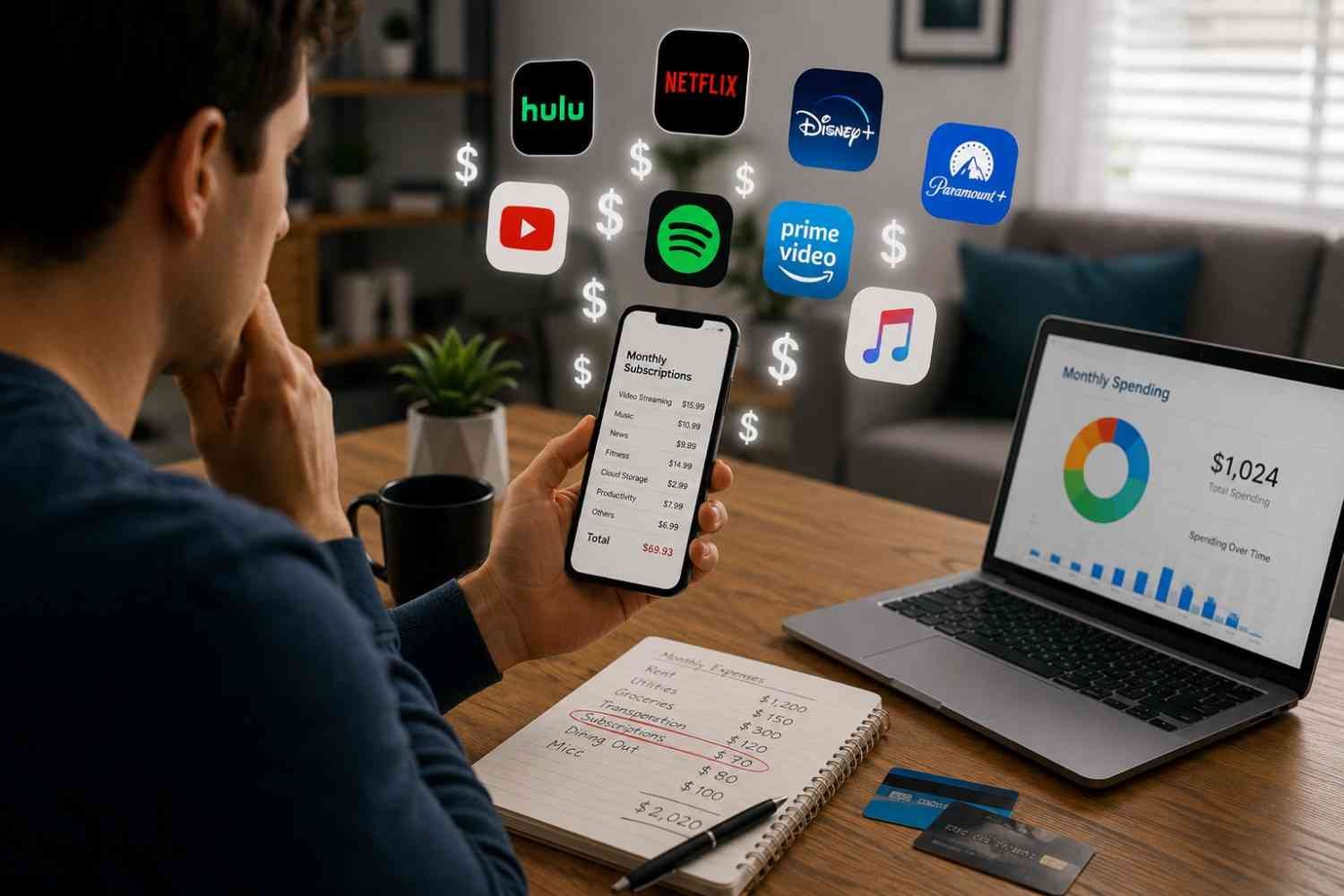
Unlike one-time purchases, subscriptions fade into the background. Once payment details are saved, charges continue automatically. This creates a sense of passive spending where money leaves an account without requiring any active decision.
Many consumers underestimate their monthly subscription costs. Small recurring payments rarely feel urgent, especially when they are spread across different categories. Streaming services, music platforms, cloud storage, gaming memberships, and software subscriptions can collectively become a substantial expense.
Businesses face an even bigger challenge. When multiple teams purchase tools independently, tracking recurring expenses becomes difficult. Without clear visibility, organizations may continue paying for services that no longer deliver value.
The Hidden Costs Businesses Often Miss
The shift toward Software as a Service has transformed how organizations operate. While these tools improve flexibility and productivity, poor oversight can create significant financial leakage.
SaaS Sprawl and Duplicate Purchases
One common issue is SaaS sprawl. Different departments often purchase tools without coordinating with finance or information technology teams. As a result, organizations may pay for multiple platforms that perform similar functions.
Over time, duplicate software subscriptions increase operational costs without delivering additional benefits.
Shadow Information Technology Risks
When employees purchase applications independently using corporate cards, organizations lose visibility into what software is being used.
These unapproved purchases can create security concerns, compliance challenges, and unnecessary vendor relationships. Beyond the financial impact, they may also expose sensitive business data to avoidable risks.
Unused Licenses and Zombie Subscriptions
Employee turnover creates another hidden problem. Companies sometimes continue paying for licenses assigned to former employees or team members who rarely use the software.
A few unused seats may seem harmless, but across dozens or hundreds of subscriptions, the waste can quickly reach thousands of dollars annually.
Overage Fees and Unexpected Charges
Many software providers advertise attractive entry-level pricing. However, additional storage, increased usage, premium features, or extra integrations can trigger overage fees.
These charges often appear gradually, making them difficult to spot until expenses have already increased significantly.
The Financial Traps Individuals Face
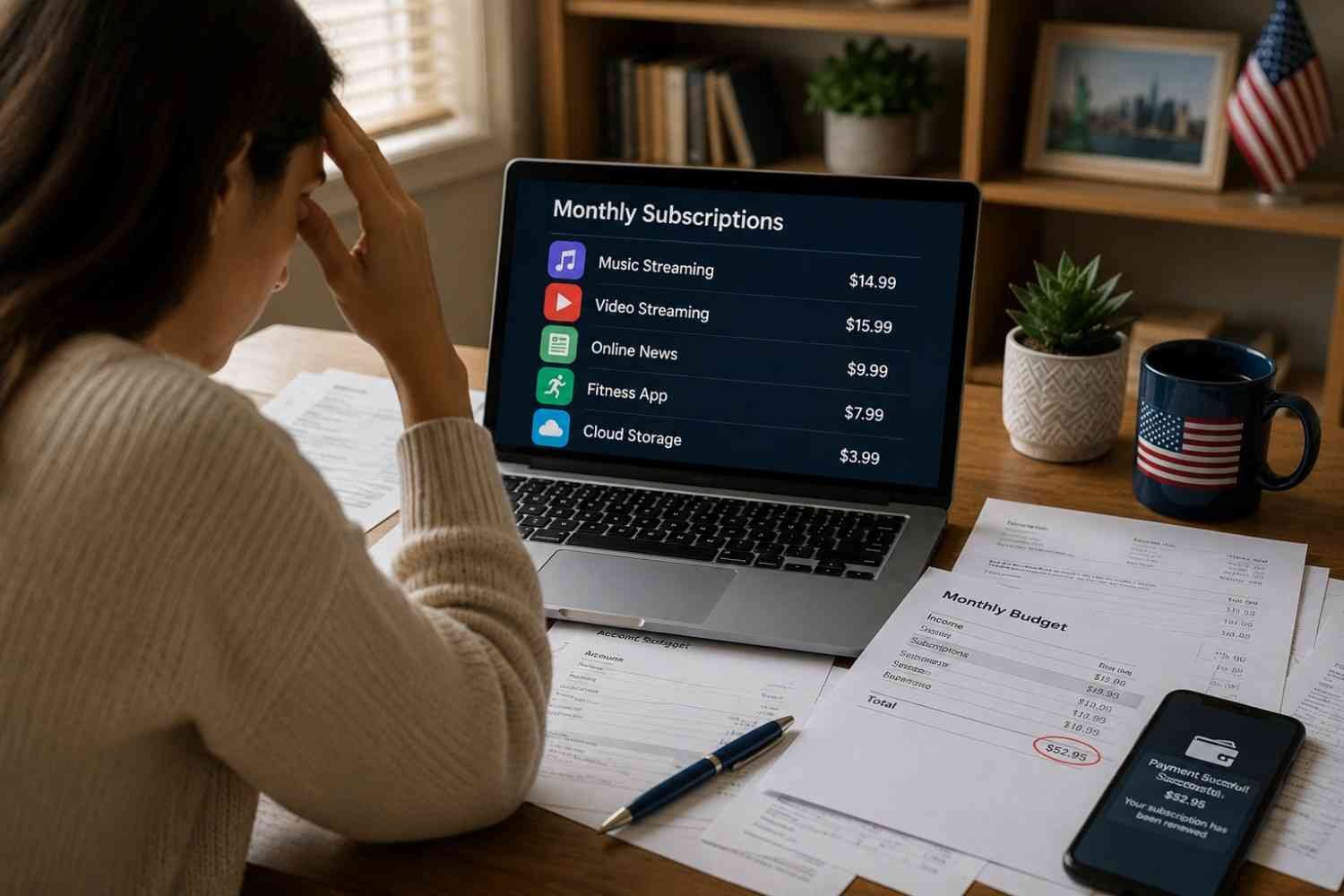
Consumers are not immune to subscription creep. In fact, recurring billing is designed to feel effortless, which makes it easier to overlook.
The Forgotten Fee Problem
Free trials are one of the biggest contributors to hidden monthly spending. Many people sign up intending to evaluate a service for a few days and then forget about it entirely.
A seemingly small monthly charge can accumulate into hundreds of dollars annually. The real issue is not the individual payment but the long-term effect of paying for something that no longer serves a purpose.
The Sunk Cost Mindset
People often keep subscriptions because they feel committed after paying for them in the past. A gym membership that goes unused or a streaming platform that is rarely opened may remain active simply because canceling feels like admitting the original purchase was a mistake.
This psychological tendency keeps unnecessary recurring payments alive far longer than they should be.
Tier Creep and Automatic Renewals
Many services offer discounted introductory rates. After the promotional period ends, pricing quietly shifts to the standard rate.
If users are not actively monitoring their subscription services, these price increases can go unnoticed for months. Automatic renewals make the situation even easier to miss.
The Bigger Impact on Financial Goals
The danger of recurring payments is not always the amount itself. The bigger issue is opportunity cost.
Money spent on unused subscriptions could be directed toward emergency savings, debt reduction, investments, travel plans, or major purchases. Small monthly expenses become surprisingly powerful when viewed over a year.
For younger adults, especially, developing awareness around recurring expenses is one of the most practical money management tips for young adults because it builds stronger budgeting habits early.
A subscription that costs $15 per month may not seem significant. Yet several similar subscriptions combined can easily exceed hundreds of dollars each year. That money could support meaningful financial goals instead.
Practical Ways to Improve Subscription Spending Management

Regaining control does not require drastic budgeting changes. It starts with visibility.
For Businesses
A few practices can significantly reduce unnecessary spending:
- Centralize software purchasing and approval processes.
- Use virtual cards with spending limits for subscriptions.
- Conduct quarterly subscription audits.
- Remove inactive licenses promptly.
- Consolidate overlapping software tools whenever possible.
Organizations that regularly review recurring payments are far less likely to experience financial leakage.
For Individuals
Consumers can benefit from a simple review process:
- Check bank and credit card statements monthly.
- Create a list of all active subscriptions.
- Cancel services that no longer provide value.
- Use subscription tracking applications.
- Set reminders before free trials expire.
The goal is not to eliminate every subscription. It is to ensure that every recurring payment serves a clear purpose.
Building Better Long-Term Spending Habits
Subscription spending management is not about being restrictive. It is about becoming intentional.
The convenience of recurring services has created a world where purchases happen with very little effort. While that convenience saves time, it also reduces awareness. Developing the habit of reviewing subscriptions regularly helps restore that awareness.
Whether managing personal finances or overseeing a company budget, the principle remains the same: every recurring charge should earn its place. If it is not delivering value, it is quietly taking resources away from something that could.
FAQs: The Hidden Cost of Ignoring Subscription Spending Management
1. How often should I review my subscriptions?
A monthly review is ideal for individuals, while businesses should conduct a more comprehensive subscription audit at least once every quarter.
2. What is subscription creep?
Subscription creep occurs when multiple recurring services gradually accumulate over time, increasing monthly spending without attracting much attention.
3. Are subscription tracking apps worth using?
Yes. They can help identify recurring payments, track renewal dates, and highlight services that may no longer be necessary.
4. Why do people keep paying for subscriptions they do not use?
Many people forget about subscriptions, underestimate their costs, or fall into the sunk cost mindset, where canceling feels harder than continuing to pay.
Final Thoughts
The hidden cost of ignoring subscription spending management goes far beyond a few monthly charges. For businesses, it can lead to duplicate software purchases, unused licenses, security concerns, and inflated operating costs. For individuals, it often shows up as forgotten memberships, recurring payments for unused services, and missed opportunities to put money toward more meaningful goals. The challenge is that these expenses rarely feel significant in isolation, which is exactly why they become so expensive over time.
The good news is that awareness changes everything. A simple subscription review can uncover savings, reduce waste, and help ensure that every dollar is working toward something valuable.