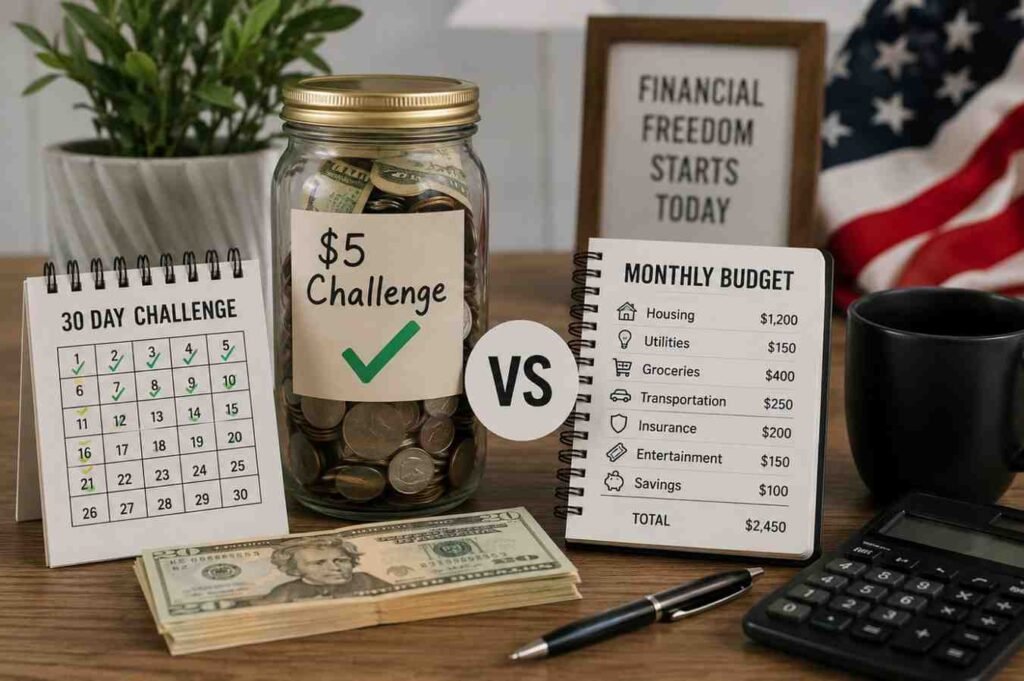

There was a moment managing loan products when it became clear that saving clients money is as much about smart incentives as it is about rates. The question of do loyalty programs really save money isn’t just theoretical.
When structured correctly, reward systems in loans can help borrowers reduce fees, access better interest rates, and benefit from perks tied to consistent repayment, making their financial journey smoother and more cost-effective.
Key Takeaways
- Effective loyalty programs reward planned, not impulsive borrowing, ensuring real savings.
- Tiered incentives and cross-product engagement increase financial benefits.
- Digital tools enhance reward tracking and prevent missed opportunities.
- Understanding expiration dates and program rules maximizes tangible value.
- Privacy and data trade-offs must be weighed against cost reductions.
How Loyalty Programs Impact Borrowers
Understanding loyalty programs in the context of loans is essential for both lenders and borrowers. Programs are more than just a points system; they can influence repayment behavior, cross-product engagement, and long-term client satisfaction.
While many consumers associate rewards with retail, the principles apply to loans as well, where saving money can come from waived fees, reduced interest, and financial planning perks.
Benefits For Frequent Borrowers
Frequent borrowers enjoy advantages like faster approvals or reduced processing fees when enrolled in loyalty programs. These perks translate into tangible savings over time, especially for clients who regularly engage with multiple loan products. By rewarding positive repayment habits, lenders can improve their cash flow while clients benefit financially.
Encouraging Better Financial Habits
Loyalty programs reinforce good financial behavior. Clients who consistently repay on time may earn rewards that reduce future borrowing costs. This structure promotes disciplined borrowing and provides measurable value, making loyalty programs a tool for both cost savings and financial education.
Enhanced Cross-Product Value
Loyalty programs in loans often offer incentives for using additional products, such as refinancing, auto loans, or personal loans. Clients who engage across multiple offerings can accumulate rewards that translate into lower effective costs, increased borrowing flexibility, and long-term savings.
Borrowers exploring flexible funding options can also view on the women owned business startup loans to compare loan opportunities that may support business growth.
How They Actually Save Money

Many loan clients ask whether loyalty programs truly reduce costs. The answer depends on how the programs are used. Points, cash-back rewards, and waived fees are most beneficial when applied strategically to products clients already need. Overspending or using loans solely to earn rewards can negate potential savings.
Direct Financial Rewards
Programs often provide direct financial perks such as reduced processing fees, small interest rate cuts, or account credits. Clients can track these rewards in their digital accounts, which allows for better management of loan and debt costs and visible savings over time.
Tiered Incentives And Perks
Similar to retail programs, tiered systems encourage borrowers to engage more deeply with loan products. Higher tiers unlock additional financial benefits like faster approvals or bonus credits on new loans.
These structured rewards increase the overall value of participating in the loyalty program and directly reduce borrowing expenses.
Hidden Advantages
Beyond points, loyalty programs often simplify account management. Digital tracking of repayment behavior and automated notifications can prevent missed payments, late fees, or penalties. Over time, these small but consistent savings compound into significant financial advantages for borrowers.
The Hidden Costs And Traps

Loyalty programs are not always cost-free. Borrowers must be aware of potential pitfalls that could offset any rewards earned. Understanding these hidden costs ensures that participation actually benefits the client financially.
Encouraging Overspending
Loyalty incentives may tempt clients to take on additional loans or higher amounts than necessary. Studies show that behavioral rewards can lead borrowers to spend more to achieve tiered perks, sometimes resulting in net negative savings if not carefully managed.
The Data Trade-Off
To deliver targeted perks, lenders track repayment patterns, loan history, and product usage. While this enables personalized rewards, it comes at the cost of privacy. Borrowers should weigh the benefit of financial savings against the extent of data sharing required by the program.
If loan debt becomes difficult to manage, it may also help to understand whether you can you file bankruptcy on student loans before choosing another borrowing option.
Expired Rewards
Points or rewards often come with expiration dates. Borrowers who fail to use rewards in time may see them vanish, nullifying the expected savings. Understanding program timelines and redemption rules is critical to achieving genuine cost benefits.
How To Evaluate If A Program Is Worth It
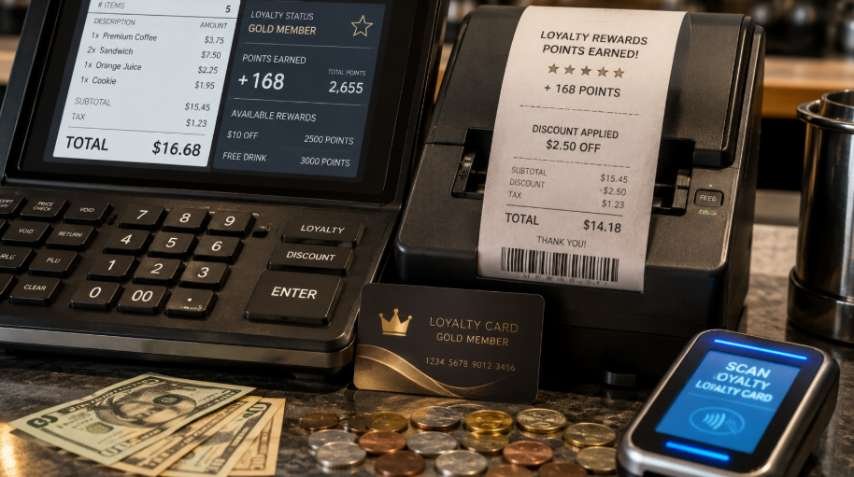
Not all loyalty programs deliver real savings. Borrowers can determine value by calculating the percentage of financial return relative to cost or effort. Programs that offer less than 5% savings may not justify participation unless they are aligned with frequent or necessary borrowing.
Simple Calculation For Value
If a borrower earns a $5 credit on a $100 loan, that represents a 5% return. By comparing expected rewards against loan costs and associated fees, clients can decide whether the program offers meaningful financial advantage.
Focus On Necessary Borrowing
Loyalty programs are most effective when rewards are earned on planned loans rather than impulsive borrowing. Clients should use programs strategically, applying points or benefits to products they already need, ensuring net savings rather than unnecessary expenses.
Maximize Program Benefits
Borrowers can maximize value by understanding tier structures, redemption options, and reward expiration dates. Engaging with digital tools, automating payments, and tracking rewards accumulation ensures the program supports tangible cost reduction.
Real-Life Loan Loyalty Strategies
Top U.S. lenders use loyalty programs to encourage repeat borrowing, cross-product engagement, and timely repayments. Clients who actively participate often see savings through fee reductions, exclusive offers, and bonus credits.
Consistent Repayment Rewards
Clients who maintain on-time payments may earn points or discounts that apply to future loans. This not only reduces interest costs but also encourages disciplined financial behavior.
Multi-Product Rewards
Engaging with multiple loan products, such as personal, auto, and refinance loans, often unlocks additional loyalty benefits. These cross-product rewards provide real savings while deepening client engagement.
Digital Integration
Many programs integrate into online dashboards or mobile apps, allowing borrowers to track savings, monitor points, and redeem rewards efficiently. Digital access ensures maximum visibility and utilization of earned benefits.
Frequently Asked Questions
1. Do loyalty programs really save money in loans?
Yes. When structured correctly, loan loyalty programs can reduce fees, provide cash-back credits, and lower interest rates, offering borrowers measurable financial advantages.
2. Are there hidden costs in loan loyalty programs?
Programs may encourage higher borrowing, data sharing, or missed redemption opportunities. Clients should understand these risks to ensure net savings.
3. How do I calculate if a loyalty program is worth joining?
Compare rewards earned to costs or fees. If benefits provide at least 5% savings on planned borrowing, the program may be financially worthwhile.
4. Can frequent participation actually increase savings?
Yes. Strategic use of points, timely repayments, and cross-product engagement maximizes rewards, compounding into meaningful long-term savings.
Save Money And Enjoy Rewards
Loan loyalty programs can be a smart way to save when used intentionally. By tracking rewards, engaging with multiple products, and following program rules, borrowers can reduce costs, gain perks, and build healthier financial habits. Thoughtful participation turns points into real savings, making loyalty programs a meaningful addition to the loan experience.