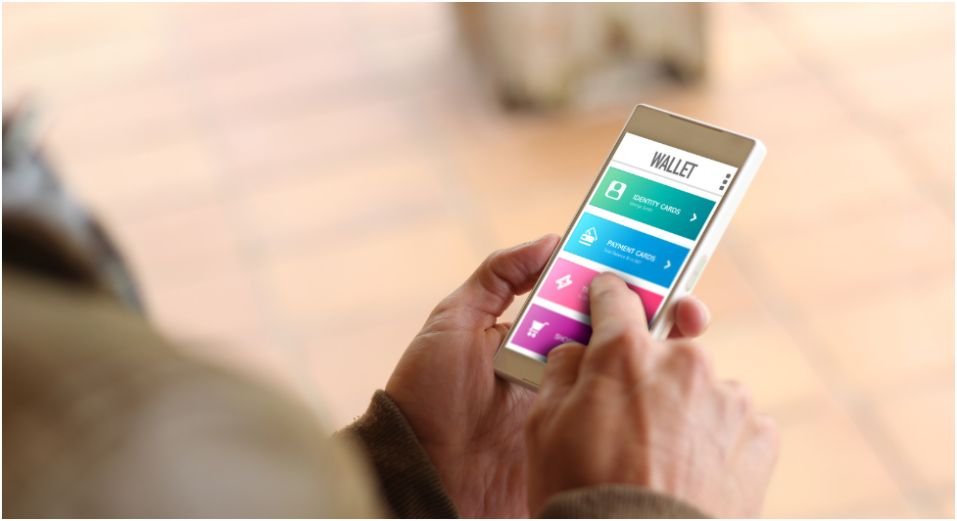
I remember the first time I walked into a store and paid using just my phone, while my loyalty points automatically updated. That moment made me realize how how loyalty programs work with digital wallets is transforming the way we shop. No cards, no fumbling for membership numbers—just seamless rewards.
Integrating loyalty programs into digital wallets like Apple Wallet or Google Wallet doesn’t just simplify checkout; it creates a smarter, faster way to manage rewards and track points. Here’s the full story from both a consumer and business perspective.
How Loyalty Programs Integrate With Digital Wallets
Digital wallets turn physical loyalty cards into a digital pass stored directly on your smartphone. These passes communicate with checkout systems using NFC, barcodes, or pass technologies, allowing points to automatically update when you pay.
Methods of Interaction at Checkout
- NFC Pass-Through (Single Tap)
Tap your phone once to pay, and the terminal reads both the payment token and loyalty card data. Apple uses Value Added Services while Google calls it Smart Tap. - Barcode/QR Code Scanning
Open your wallet app to show a 2D barcode or QR code. The cashier scans it either before or after your payment. - Location-Based Notifications
Geofencing triggers a lock-screen notification when you enter a store, offering one-swipe access to the relevant loyalty card.
Key Features That Make Digital Loyalty Cards Smarter
Digital wallets provide dynamic features that physical cards can’t match:
- Real-Time Balance Updates: Points refresh automatically via server updates.
- Automatic Enrollment: One click during checkout can join you to a loyalty program.
- Linked Payment Cards: Paying with a connected card automatically credits your rewards account.
These features improve engagement while reducing friction at checkout, creating a smoother shopping experience.
Benefits for Consumers and Businesses
The integration isn’t just convenient—it’s a win-win:
- Consumers: No more carrying multiple plastic cards. You get real-time notifications for expiring rewards and a centralized history of points and tier status.
- Businesses: Faster checkout speeds, higher program utilization, and valuable first-party data on purchasing habits.
From personal experience, I’ve seen stores where linking my loyalty card to my payment card literally shaved minutes off my weekly grocery run.
How to Add Loyalty Cards to Digital Wallet
Adding cards to your wallet is simple and can be done in three main ways.
1. Through the Retailer’s Mobile App
Most major brands have built-in wallet integration:
- Open the merchant app (e.g., Starbucks, Walgreens).
- Log in to your rewards account.
- Locate your digital membership card or barcode.
- Tap “Add to Apple Wallet” or “Add to Google Wallet”.
- Confirm to save it to your device.
2. Scanning a Physical Card
Apple Wallet
- Open the Wallet app and tap the + icon.
- Select “Scan a Code” and capture your physical card’s barcode.
- If the scan fails, apps like Stocard or Pass2U work well, allowing you to add the card to Wallet.
Google Wallet
- Open Google Wallet and tap “+ Add to Wallet”.
- Select Loyalty and either scan your card or type the member ID manually.
3. Using Email or Website Links
Many programs send confirmation emails after sign-up:
- Open the email on your phone.
- Tap “Add to Apple Wallet” or “Save to Google Wallet.”
- The loyalty pass downloads automatically.
These methods make it effortless to manage all your rewards digitally, letting points accrue automatically whenever you pay.
The Mechanics Behind the Scenes
Digital wallets link loyalty programs to the POS system. Here’s a simplified overview of what happens when you tap or scan:
- Wallet sends both the payment token and loyalty ID to the POS.
- Merchant’s system verifies the transaction and credits your rewards account.
- Your digital pass updates instantly, showing new balances.
This eliminates manual entry errors, missed rewards, or expired points.
Real-World Example: Linking Rewards to Payment Cards

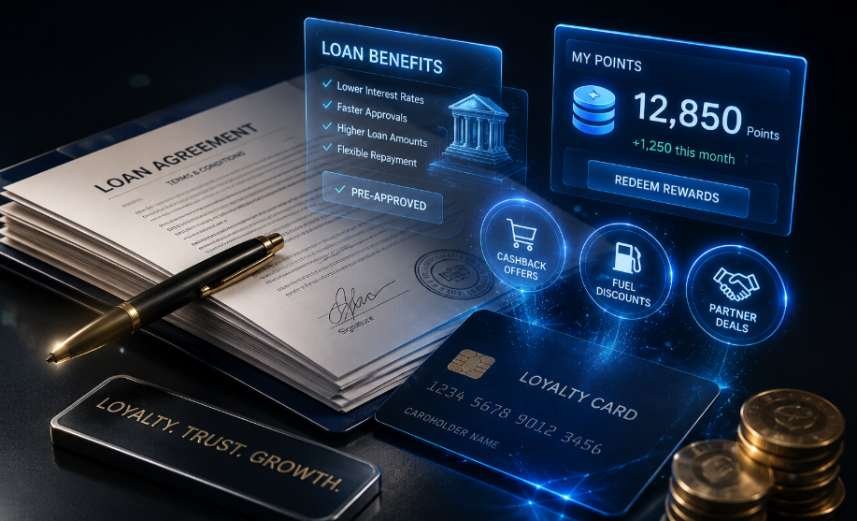
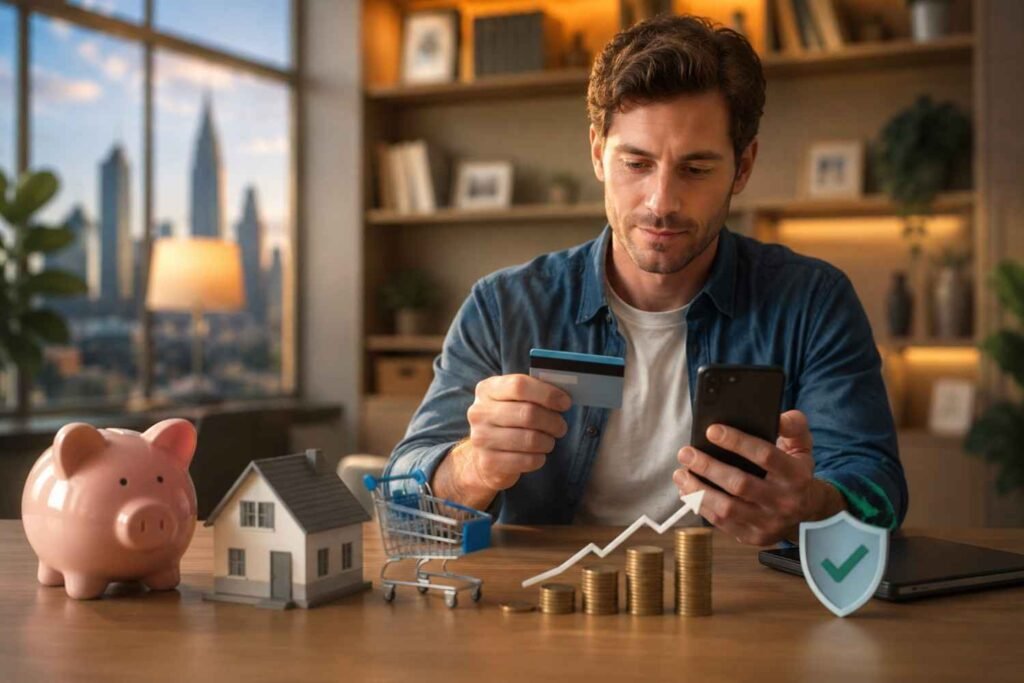
I linked my grocery store’s loyalty program directly to my credit card. Each purchase automatically added points. No need to scan codes, no extra steps.
Over one month, I tracked my spending and noticed I earned 15% more rewards just by consolidating transactions digitally—a small change with a noticeable impact.
Why This Matters Beyond Convenience
Digital wallets improve loyalty program engagement because:
- Customers interact with their rewards more frequently.
- Businesses collect richer data on purchasing habits, allowing personalized offers.
- Push notifications drive timely redemption before points expire.
The result? Consumers feel valued, and brands see measurable ROI.
When Loyalty Meets Digital Payments: A Smarter Strategy
If you’re curious about the broader financial landscape and how digital wallets compare to traditional banking methods, understand the diference between digital wallet vs mobile banking. Understanding this helps you optimize rewards while streamlining all your transactions.
Frequently Asked Questions
Q1: Can I add multiple loyalty cards to one digital wallet?
Yes. Both Apple Wallet and Google Wallet support multiple cards from different merchants.
Q2: Do points update instantly?
Most digital wallets update in real-time, but some merchants may have slight delays.
Q3: Is it safe to store loyalty cards in a digital wallet?
Yes. Wallets use secure encryption and tokenization, keeping your information safe.
Q4: Can I use my digital loyalty card offline?
Yes, most passes store essential info locally. NFC may require a connection for verification.
Q5: Will scanning a physical card always work?
Most standard barcodes work, but apps like Stocard or Pass2U help scan unsupported cards.
My Takeaway: Embrace the Digital Advantage
Integrating loyalty programs into digital wallets isn’t just convenience—it’s a smarter, more efficient way to earn, track, and redeem rewards. From faster checkouts to instant balance updates, this system empowers both shoppers and merchants. My tip: start adding your key loyalty cards today and watch how much simpler shopping can become.