
Taking out a loan often feels like the difficult part of the financial journey. Once the funds arrive and the immediate need is covered, it is easy to believe the hardest work is over. In reality, repayment is where long-term financial outcomes are shaped. The way you manage debt over the next few years can influence everything from your monthly cash flow to your future financial opportunities.
Many people approach repayment with a simple goal: pay off the loan as quickly as possible. While that sounds logical, the fastest strategy is not always the smartest one. Long-term financial stability requires a balance between reducing debt, protecting your savings, and maintaining enough flexibility to handle unexpected expenses. The most effective loan repayment strategies focus on all three.
Why a Repayment Strategy Matters More Than Most Borrowers Think?

Making minimum payments will keep a loan in good standing, but it rarely creates meaningful financial progress. Interest continues to accumulate, repayment periods stretch longer, and borrowers often end up paying significantly more than the original loan amount.
The Hidden Cost of Paying Only the Minimum
Many borrowers underestimate how much interest affects the total repayment cost. Even small differences in interest rates can translate into thousands of dollars over the life of a loan. This is why financial institutions and personal finance experts often emphasize understanding repayment schedules before signing any agreement.
The decisions made before borrowing matter as well. Factors such as loan term length, interest rate, and credit profile can significantly influence repayment outcomes. Understanding loan approval factors before taking on debt often helps borrowers secure better terms that make repayment easier later.
Financial Stability Requires More Than Debt Reduction
Paying off debt is important, but eliminating every dollar of debt at the expense of savings can create new problems. A single emergency expense can force borrowers back into high-interest debt if they have no financial cushion available.
That is why successful repayment plans often balance debt reduction with broader financial goals rather than focusing exclusively on becoming debt-free as quickly as possible.
The Debt Avalanche Method Prioritizes Interest Savings
Among all debt repayment strategies, the debt avalanche method is often considered the most cost-efficient.
How the Debt Avalanche Works
With this approach, you continue making minimum payments on all debts while directing any extra money toward the loan carrying the highest interest rate. Once that loan is paid off, the amount previously allocated to it gets rolled into the next highest-interest debt.
This strategy reduces the total amount spent on interest and can shorten the overall repayment timeline significantly.
Who Benefits Most From the Avalanche Method
The avalanche method works particularly well for borrowers who:
- Have multiple debts with different interest rates
- Are motivated by long-term savings
- Prefer a mathematically efficient repayment plan
While it may take longer to see individual loans disappear, the financial benefits often outweigh the slower psychological rewards.
The Debt Snowball Method Builds Momentum

Not everyone stays motivated by spreadsheets and interest calculations. For many people, visible progress creates a stronger long-term commitment.
Why Small Wins Matter
The debt snowball method focuses on paying off the smallest balance first while maintaining minimum payments on larger debts. Once the smallest debt is eliminated, that payment amount gets applied to the next smallest balance.
The strategy may not save as much interest as the avalanche method, but it creates quick victories that help many borrowers stay consistent.
Behavioral finance research has repeatedly shown that motivation often plays a larger role in financial success than perfect mathematical optimization. A strategy that keeps you engaged is usually more effective than one you abandon halfway through.
Refinancing and Consolidation Can Reduce Financial Pressure
Some loans become difficult to manage because of high interest rates rather than large balances.
When Refinancing Makes Sense
Refinancing replaces an existing loan with a new one that ideally offers better terms. A lower interest rate can reduce monthly payments and decrease the total repayment cost over time.
This approach is often used for:
- Personal loans
- Auto loans
- Student loans
- Mortgages
The effectiveness of refinancing depends on factors such as credit score, income stability, and market interest rates.
Consolidation Simplifies Repayment
For borrowers managing several debts simultaneously, consolidation can create a more organized repayment structure by combining balances into a single payment.
The primary benefit is simplicity. Instead of tracking multiple due dates and interest rates, borrowers focus on one predictable monthly obligation.
Small Payment Adjustments Can Create Big Results

Many repayment improvements come from small habits rather than major financial sacrifices.
Bi-Weekly Payments Reduce Interest Naturally
Instead of making one monthly payment, some borrowers choose to pay half the amount every two weeks. This results in 26 half-payments each year, which equals one extra monthly payment annually.
That additional payment goes directly toward reducing principal, helping shorten the repayment period and lower total interest costs.
Automation Eliminates Costly Mistakes
Missed payments can lead to fees, higher interest costs, and credit score damage. Setting up automatic payments helps prevent these issues, while some lenders even offer interest-rate discounts for using auto-pay.
Many borrowers also benefit from rounding up their monthly payments. Even modest extra contributions can gradually reduce principal balances faster than expected.
Protect Your Emergency Fund Before Accelerating Repayment
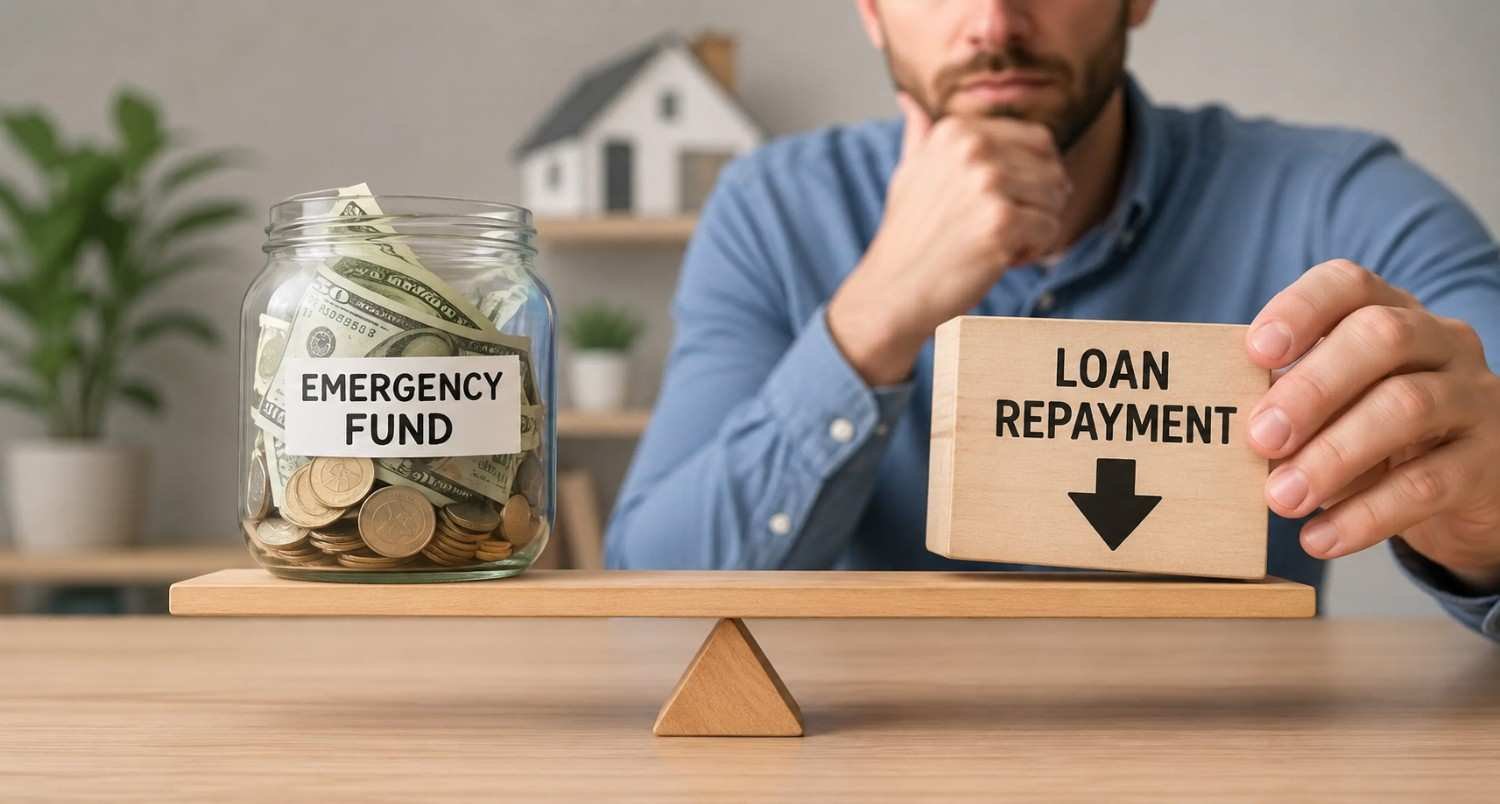
One of the most overlooked loan repayment strategies involves knowing when not to send extra money toward debt.
Why Cash Reserves Matter
Unexpected expenses are inevitable. Medical bills, vehicle repairs, job disruptions, or home maintenance costs can appear without warning.
Without an emergency fund, borrowers often rely on credit cards to handle these situations, creating new high-interest debt while trying to eliminate existing loans.
Many financial planners recommend building three to six months of living expenses in a high-yield savings account before aggressively accelerating loan repayment. This approach creates stability while reducing financial stress.
FAQs: The Most Effective Loan Repayment Strategies for Long-Term Financial Stability
1. What is the most effective loan repayment strategy?
The debt avalanche method is generally the most effective for minimizing interest costs, while the debt snowball method is often better for maintaining motivation.
2. Should I pay off loans or build savings first?
A balanced approach usually works best. Building an emergency fund before aggressively paying down debt can help prevent future borrowing.
3. Does refinancing always save money?
Not necessarily. Refinancing only creates savings if the new loan offers better terms after accounting for fees and repayment length.
4. Are bi-weekly payments worth it?
For many borrowers, bi-weekly payments can reduce interest costs and shorten repayment periods without requiring major budget adjustments.
Financial Stability Comes From Consistency, Not Perfection
Many people spend time searching for the perfect repayment strategy when the real key is consistency. Whether you choose the avalanche method, snowball method, refinancing, or a combination of approaches, long-term success usually comes from staying committed to a plan and adapting it as your financial situation evolves.
Debt repayment should support your broader financial goals, not compete with them. The most successful borrowers reduce debt steadily while protecting their savings, managing cash flow wisely, and creating enough flexibility to handle whatever life throws at them.