When I first started using a debit card, I thought it was just a plastic version of cash. That is partly true, but there is more happening behind every tap, swipe, or online purchase. How Debit Cards Work for Beginners is really about understanding how your checking account, card number, PIN, bank, and available balance all connect when you spend money.
A debit card can make daily spending simple, but only when you know how it works. It does not give you borrowed money like a credit card. Instead, it pulls money from your own bank account. That makes it useful for groceries, gas, bills, online shopping, ATM withdrawals, and everyday purchases.
What Is a Debit Card?
A debit card is a payment card linked directly to your checking account. When you use it, the money usually comes out of your available balance quickly. You can use it in stores, online, at ATMs, restaurants, gas stations, and many bill payment systems.
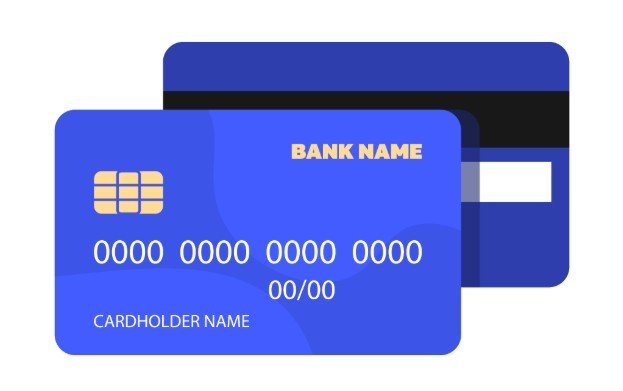
Most debit cards have a card number, expiration date, security code, chip, magnetic stripe, and sometimes tap-to-pay technology. You may also have a PIN, which is a private number used to confirm certain transactions, especially ATM withdrawals and some in-store purchases. The biggest thing to remember is simple: a debit card uses money you already have.
How Debit Cards Work Step by Step
When you use a debit card at a store, the process feels instant, but a few things happen in the background. First, you tap, swipe, insert, or enter your card details. Then the merchant sends the payment request through a card network.
Your bank checks whether your account has enough available money. If the balance is enough and there are no security issues, the transaction is approved. After that, the amount is deducted from your account or shown as pending until it fully posts.
For example, if you have $300 in your checking account and spend $45 at a grocery store, your available balance may drop to $255. The charge may appear as pending first, then become final once the merchant completes the transaction. This is why checking your balance matters. Your bank app may show pending payments, posted payments, and available balance differently.
Using a Debit Card Online
Debit cards also work for online purchases. Unlike the debit card vs credit card difference, where debit cards pull money directly from your bank account, online debit payments usually require your card number, expiration date, billing address, and CVV code. Some banks may send a security code to your phone or email before approving the payment.
Online debit card use is convenient, but it also needs extra caution. Only shop on trusted websites, avoid saving your card everywhere, and do not enter card details on suspicious links. Since a debit card connects directly to your bank account, fraud can affect your real money quickly.
Debit Card vs Credit Card
A debit card and credit card may look similar, but they work very differently. A debit card spends money from your checking account. A credit card lets you borrow money from the card issuer and repay it later.
Debit cards can help you avoid debt because you are spending your own money. Credit cards can help build credit history when used responsibly, but they can also lead to interest charges and balances if you do not pay on time.
For beginners, debit cards are often easier to manage for daily spending. But for hotel bookings, rental cars, large online purchases, or stronger consumer purchase protection, a credit card may sometimes be the better tool.
What Happens If You Do Not Have Enough Money?
If your account does not have enough money, the transaction may be declined. That means the payment will not go through.
However, if you have overdraft protection turned on, your bank may allow the purchase and charge an overdraft fee. This can make a small purchase much more expensive. For example, buying a $6 snack could lead to a fee if your account balance is too low.
Beginners should check whether overdraft is enabled. Many people prefer to turn it off so the card simply declines instead of creating a fee.
Debit cards are often low-cost, but they are not always free in every situation. Common fees may include out-of-network ATM fees, overdraft fees, replacement card fees, foreign transaction fees, and account maintenance fees.
ATM fees are especially common when you use machines outside your bank’s network. Gas stations, airports, hotels, and convenience stores may also have higher ATM charges.
Foreign transaction fees may apply when you buy something from an international merchant or use your card while traveling. Before using a debit card abroad, check your bank’s fee policy.
Is a Debit Card Safe?
A debit card is generally safe when used carefully. Banks offer fraud monitoring, card locks, mobile alerts, and dispute options. Still, debit cards need smart habits because they connect directly to your checking account.
Use strong banking passwords, turn on account alerts, keep your PIN private, and review transactions often. Do not share your card number by text or email. If your card is lost, stolen, or used without permission, report it right away.
Also be careful at gas pumps and standalone ATMs. Card skimmers can steal card details. Use ATMs inside bank branches when possible, and cover the keypad when entering your PIN.
PIN, Signature, and Tap-to-Pay Explained
Some debit card purchases ask for a PIN. Others may run as a signature transaction. Tap-to-pay uses contactless technology, letting you hold your card near the terminal. PIN transactions confirm your identity using your private number.
Signature transactions may not always require an actual signature anymore, but they still process through the payment network. Tap-to-pay is fast and usually secure because it uses encrypted transaction data. For beginners, the main rule is simple: keep your PIN secret and never write it on your card.
When Should You Use a Debit Card?
Debit cards are great for everyday spending when you want to stay within your budget. They work well for groceries, coffee, public transportation, small bills, pharmacy purchases, and cash withdrawals.
They are also helpful if you are learning to manage money because you can only spend what is available in your account, unless overdraft is enabled.
When Should You Avoid Using a Debit Card?
There are times when a debit card may not be the best choice. Be careful using it for large travel bookings, hotel deposits, rental cars, unfamiliar online stores, and recurring free trials.
Some merchants place temporary holds on debit cards. A gas station, for example, may hold more than your actual purchase amount until the final charge clears. That can reduce your available balance for a short time.
Beginner Tips for Using a Debit Card Wisely
Check your bank balance before spending. Turn on low-balance alerts. Use your bank’s ATM network. Keep your PIN private. Review your account weekly. Lock your card from the mobile app if you misplace it. Avoid overdraft fees. Keep a small cushion in your checking account. These habits make debit cards easier to manage and help you avoid surprise fees.
Frequently Asked Questions
1. How Debit Cards Work for Beginners in simple terms?
A debit card lets you spend money directly from your checking account. When you make a purchase, your bank checks your available balance and approves or declines the transaction based on the money you have.
2. Can a debit card build credit?
No, regular debit card use does not usually build credit because you are not borrowing or repaying money. Credit cards, loans, and certain credit-building products are more commonly used to build credit history.
3. Is a debit card better than cash?
A debit card is often more convenient than cash because you can track spending, shop online, withdraw money, and use mobile banking tools. Cash can still be useful for small purchases or places that do not accept cards.
4. What should I do if my debit card is lost?
Lock the card in your banking app if possible, then contact your bank immediately. Ask for a replacement card and review recent transactions for anything you do not recognize.
Final Thoughts
I like debit cards because they make everyday spending simple, but I would never treat them casually. They connect directly to real money in your checking account, so every purchase, ATM withdrawal, pending hold, and fee matters.
Once you understand How Debit Cards Work for Beginners, you can use your card with more confidence. Check your balance, protect your PIN, watch for fees, and avoid risky purchases when a safer payment option makes more sense. A debit card is not complicated, but smart habits make it much safer and more useful.
