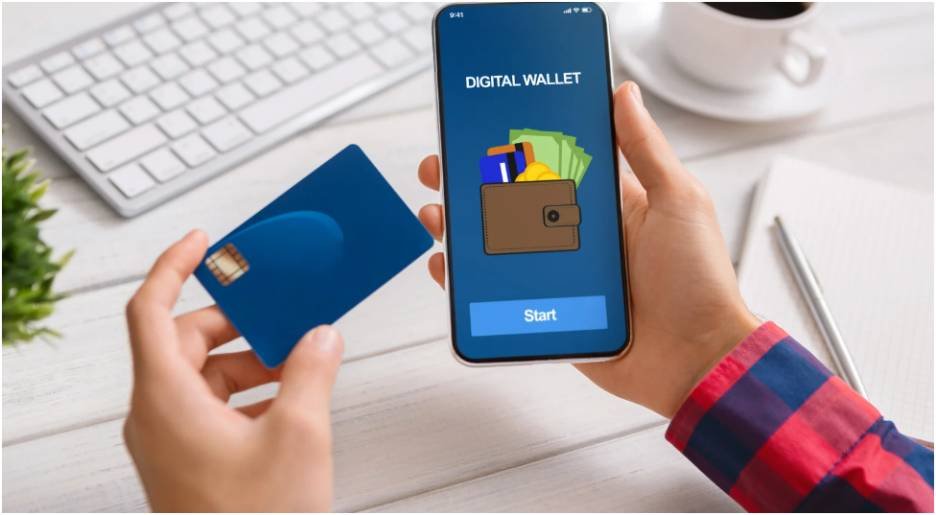
I’ve juggled multiple cards, apps, and wallets over the years, and I finally realized there’s a clear distinction between digital wallets and mobile banking apps. Understanding this difference transformed how I manage money, make payments, and track spending. Digital wallet vs mobile banking isn’t just a tech debate—it’s about convenience, security, and control over your finances.
What Makes Digital Wallets Unique
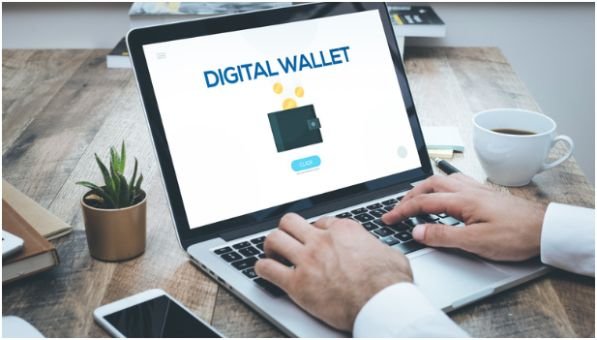
A digital wallet acts as a virtual replacement for your physical wallet. I use mine for everything from coffee runs to grocery trips, and the speed is unmatched.
How They Work
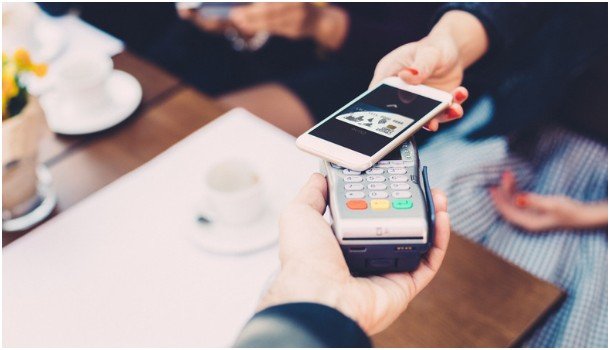
Digital wallets store credit cards, debit cards, and IDs on your device. Using NFC (Near Field Communication), I simply tap my phone at checkout. Beyond payments, I keep boarding passes, loyalty cards, and event tickets in one place.
Popular examples include Apple Wallet, Google Wallet, and Samsung Pay. These apps simplify everyday spending but don’t replace full account management.
Practical Benefits I Noticed
- Quick Transactions: My contactless purchases are almost instantaneous.
- Centralized Storage: Tickets, passes, and gift cards are always accessible.
- Cross-Bank Compatibility: I can link multiple cards from different institutions, which reduces my wallet clutter.
However, I quickly noticed a limitation: while I could see recent transactions, the app didn’t provide detailed monthly spending reports. For that, I needed a dedicated budgeting or banking app.
Mobile Banking Apps: Beyond Payments
Mobile banking apps connect directly to your financial institution. I use mine for tasks I can’t handle with a wallet alone, such as paying bills, transferring money, or depositing checks.
Core Features That Made a Difference
- Account Management: View balances, statements, and transaction histories.
- Deposits on the Go: Snap a photo of a check and it’s deposited immediately.
- Savings Tracking: Set goals and monitor progress over months.
Apps from banks like Chase, Bank of America, and Wells Fargo offer strong security features, including multifactor authentication. Unlike digital wallets, they tie strictly to one bank, which means I can’t link cards from other institutions.
Tracking Spending: How Each Tool Helps
When I wanted a clearer view of monthly expenses, I compared digital wallets, mobile banking apps, and dedicated budgeting tools.
Mobile Banking for Quick Categorization
Most bank apps automatically group spending into categories like groceries, entertainment, and utilities. I check weekly to fix misclassifications and set monthly limits on categories like dining out.
Budgeting Apps for Advanced Planning
Apps such as Monarch Money, YNAB, and PocketGuard aggregate multiple accounts into one dashboard. I can forecast spending, track trends, and plan large purchases without juggling spreadsheets.
Digital Wallets for Transaction History
Wallets only show recent contactless transactions. They’re perfect for on-the-spot checks but not for deep monthly analyses. If you rely solely on a digital wallet, you’ll miss insights into your full financial picture.
Choosing the Right Tool for Your Routine
The decision depends on your priorities:
- Speed and Convenience: Use a digital wallet for daily purchases. It’s lightning-fast and reduces physical clutter.
- Comprehensive Account Management: Mobile banking apps handle everything from bills to savings goals. They’re indispensable if you need a full financial overview.
- Detailed Budgeting: Dedicated apps complement either tool if you want advanced planning and cross-account tracking.
In my experience, a hybrid approach works best: I pay with a digital wallet, monitor expenses via mobile banking, and use a budgeting app for long-term planning.
Safety and Security Insights
I often worry about security with digital payments. Both tools have robust protections, but there are differences:
- Digital Wallets: They use device-level encryption and tokenization. Even if my phone is stolen, my card information remains secure.
- Mobile Banking Apps: They require strong authentication and sometimes biometrics. The risk is lower for large transfers but higher if your bank’s servers are compromised.
I always enable notifications on both platforms. Seeing every transaction in real-time has prevented mistakes and alerted me to fraud attempts faster than paper statements ever did.
When Speed Meets Strategy: My Workflow Example
To make this practical, here’s how I integrate both tools:
- Morning Coffee: I tap my phone using a digital wallet.
- Midday Review: I check my mobile banking app to verify balances.
- Weekly Budget Check: I log into my budgeting app to track spending trends.
This workflow gave me control over money without slowing me down. I also realized that learning how do digital wallets work helped me optimize spending limits and avoid overspending.
Key Takeaways
- Digital Wallets are for fast, contactless payments and storing non-financial items like tickets and loyalty cards.
- Mobile Banking Apps offer comprehensive account management and budgeting at the account level.
- Budgeting Apps are critical if you want insight across multiple accounts.
- Combining all three gives speed, control, and long-term visibility.
Frequently Asked Questions
Q1: Can I track all spending in a digital wallet?
A: No. Wallets provide recent transaction history but not full monthly breakdowns. Use a mobile banking or budgeting app.
Q2: Are mobile banking apps safer than digital wallets?
A: Both are secure. Wallets use tokenization, while mobile banking apps have strong authentication and encryption.
Q3: Can I link multiple banks in a mobile banking app?
A: Typically, no. Mobile banking apps are tied to a single institution. Use a budgeting app for cross-bank tracking.
Q4: Which is faster for daily purchases?
A: Digital wallets are quicker due to contactless payments and NFC technology.
Final Thoughts: Pick Smart, Spend Smarter
I’ve learned that digital wallet vs mobile banking isn’t about choosing one over the other—it’s about leveraging both strategically. Quick payments, detailed tracking, and long-term budgeting can coexist seamlessly.
Start small, test your workflow, and watch how effortlessly money management becomes part of your routine.
