
Most people think credit card benefits are little rewards handed out by banks to keep customers happy. Cashback, airport lounge access, reward points, travel insurance, purchase protection it all feels like a bonus for spending money you were already going to spend.
I used to look at it that way, too. Then I started reading the fine print, comparing annual fees, and noticing how aggressively banks push spending targets. That is when it became clear that credit card benefits are not free. They are part of a carefully built business model where every perk is funded somewhere in the system. The trick is understanding where the money comes from and making sure you get more value out of the relationship than the bank does.
How Credit Card Benefits Are Actually Funded
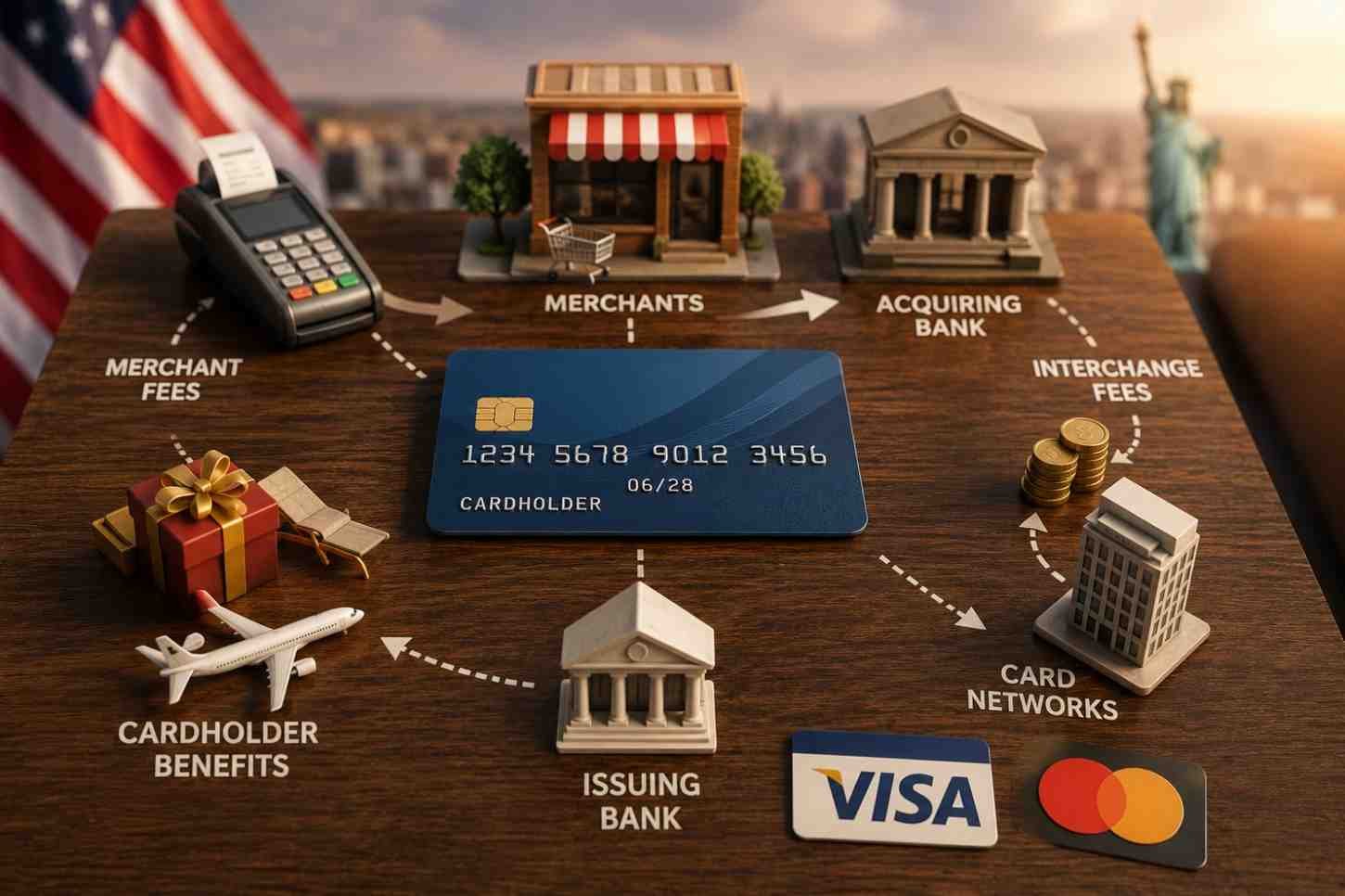
Banks are not handing out rewards because they are feeling generous. Every credit card rewards program is backed by revenue streams that keep the system profitable.
The first source is merchant fees. Every time you swipe a card, the business accepting the payment pays a merchant discount rate. A portion of that fee helps fund cashback rewards, statement credits, and reward points.
The second source is annual fees. Premium credit cards often charge hundreds of dollars each year. Those fees help pay for airport lounge access, travel benefits, welcome bonuses, and milestone rewards.
The third and biggest source is interest income. People who carry balances month after month often pay extremely high annual percentage rates. In many cases, disciplined cardholders who pay on time are benefiting from a system heavily subsidized by revolving users paying interest and late fees.
The Benefits That Look Free but Are Not
Many popular credit card perks sound like free upgrades to your lifestyle. In reality, there is usually a cost hidden somewhere behind them.
Cashback and Reward Points
Cashback rewards are often marketed as free money. Technically, you are earning money back on purchases, but those rewards are largely funded through merchant transaction fees.
This is why certain categories offer higher rewards than others. Banks know where spending is most profitable and adjust reward rates accordingly.
For everyday spending, cashback can absolutely be valuable. The problem starts when people spend extra money just to earn rewards.
Airport Lounge Access
Airport lounge access has become one of the most advertised travel benefits in recent years.
The experience feels premium. Free food, comfortable seating, charging stations, and quieter spaces create the impression of exclusivity.
But banks are not paying full retail prices every time you enter a lounge. They negotiate bulk agreements with lounge operators and recover those costs through annual fees and spending requirements.
Many premium credit cards now require minimum spending thresholds before lounge access remains active. That alone shows how carefully these benefits are calculated.
0% EMI and Financing Offers
A lot of consumers view installment plans as free financing.
Sometimes they are. Sometimes they are not.
Processing fees, hidden charges, reduced discounts, or inflated product pricing can quietly absorb the interest savings. For large purchases, these offers can help with cash flow, but they should never be treated as completely free money.
The Psychology Behind Premium Card Perks

One area competitors rarely discuss is how benefits influence spending behavior.
Banks understand consumer psychology extremely well.
Take milestone rewards as an example. A card may offer a free flight voucher after reaching a specific spending target. Suddenly, people start calculating how close they are to the goal.
Instead of asking whether they need a purchase, they focus on reaching the reward threshold.
This creates what behavioral economists call the sunk cost effect. Once people get close to a reward target, they often spend more simply because they do not want their previous spending to feel wasted.
The same thing happens with accelerated rewards categories and limited-time bonus offers.
Purchase Protection and Insurance Benefits
One of the most overlooked credit card benefits has nothing to do with rewards.
Purchase protection, fraud protection, extended warranty coverage, and travel insurance can sometimes provide more value than cashback itself.
If you buy an expensive laptop, smartphone, or appliance using the right card, you may receive additional coverage against theft, accidental damage, or warranty failures.
Many consumers never use these protections because they do not know they exist.
Others discover them only after a problem occurs.
This is one reason I always recommend reviewing benefit guides instead of focusing only on reward points. A single successful claim can sometimes outweigh years of earned cashback rewards.
Matching the Right Card to Your Spending Habits

A mistake I see often is people choosing cards based on marketing rather than actual spending behavior.
Someone who spends mostly on groceries may be carrying a premium travel card with a high annual fee. Meanwhile, a frequent traveler may be using a basic cashback card and missing valuable travel coverage.
The smartest approach is matching benefits to your existing spending patterns.
A few examples:
- Frequent travelers benefit more from lounge access, travel insurance, and foreign transaction fee savings.
- Everyday shoppers often get better value from cashback rewards.
- Large purchase buyers may benefit from purchase protection and extended warranty coverage.
- Families may find more value in reward redemption flexibility and spending category bonuses.
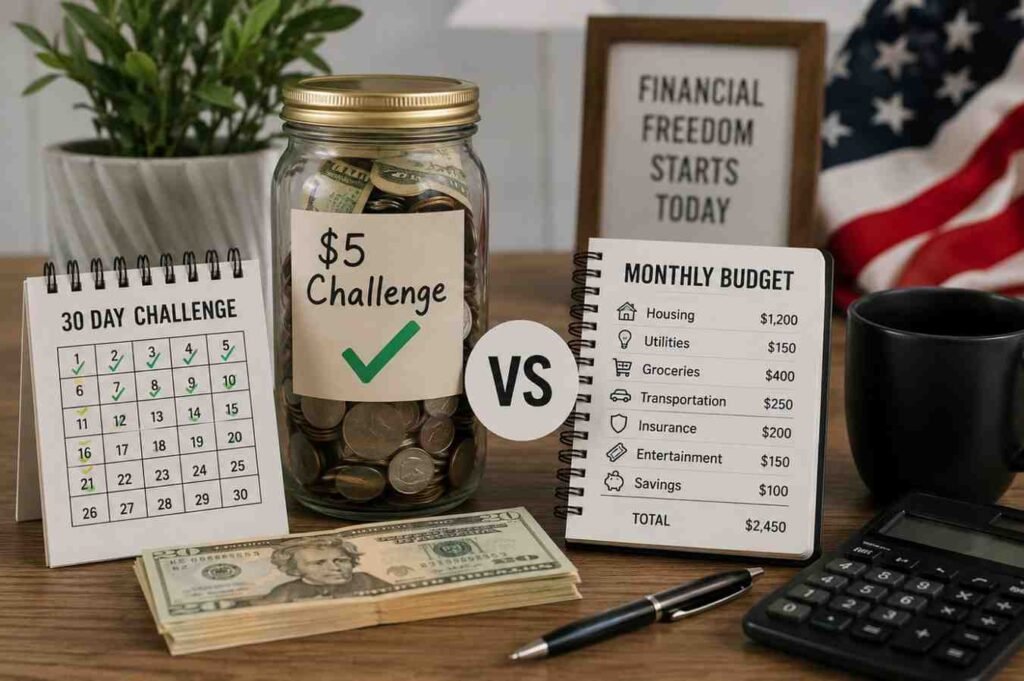
This is also where budgeting habits matter. Many people combine rewards strategies with money-saving challenges to maximize benefits without increasing monthly spending.
How to Make Credit Card Benefits Work for You
Credit card perks become valuable only when used responsibly.
A few habits make a massive difference:
- Always pay the total outstanding balance before the due date.
- Keep credit utilization below 30% of your available limit.
- Review benefit guides at least once per year.
- Track annual fees against actual rewards earned.
- Avoid chasing spending targets you would not normally reach.
- Redeem rewards regularly instead of letting points expire.
The most successful cardholders are not necessarily the ones earning the most rewards. They are the ones avoiding interest charges while extracting the highest practical value from available benefits.
Is the Annual Fee Really Worth It?
This is the question every cardholder should ask.
If a card costs $95, $250, or even more per year, calculate the value you genuinely use.
Did you actually use the lounge access?
Did you redeem the travel credits?
Did the purchase protection save you money?
Did the rewards exceed the annual fee?
If the answer is no, a lower-fee card may be the better financial decision.
Many people pay for premium benefits they rarely touch.
FAQs: Credit Card Benefits Explained: What You’re Actually Paying For
1. Are credit card benefits really free?
No. Most benefits are funded through merchant transaction fees, annual fees, and interest charges paid by cardholders who carry balances.
2. What is the most valuable credit card benefit?
It depends on spending habits. Frequent travelers often value lounge access and travel insurance, while everyday consumers may benefit more from cashback rewards and purchase protection.
3. Do premium credit cards justify high annual fees?
Only if you actively use the benefits. A premium card can provide strong value, but unused perks quickly turn the annual fee into a loss.
4. Can credit card rewards help improve finances?
Yes, but only when balances are paid in full every month. Interest charges can easily outweigh rewards earned through cashback or points.
Final Thoughts
Credit card benefits are not fake, but they are not free either. Every reward, perk, insurance policy, and travel benefit exists because a financial system is funding it behind the scenes. Once you understand how that system works, you stop viewing rewards as gifts and start treating them as tools. That shift changes everything. Instead of chasing points, you begin evaluating actual value. Instead of getting impressed by marketing, you focus on benefits that genuinely support your spending habits and financial goals.
The best credit card is rarely the one with the longest list of perks. It is the one that quietly returns more value than it costs you every year.