
I’ve learned that true financial confidence isn’t about earning more—it’s about being prepared. Life throws unexpected challenges at all of us, from sudden car repairs to medical emergencies or job layoffs.
That’s why having a step-by-step emergency fund savings plan is essential. Over the years, I’ve helped friends and readers understand that building a financial safety net isn’t just smart—it’s transformative. Let me walk you through a strategy that works for Americans seeking security and peace of mind.
Why You Need an Emergency Fund
An emergency fund is your financial airbag. Without it, even minor surprises or financial mistakes can force high-interest debt. I’ve seen friends face stress and financial setbacks simply because they lacked savings to cover sudden expenses.
A properly built fund ensures that you can handle emergencies without derailing your budget. For US residents, it also provides protection against unpredictable costs like healthcare bills, vehicle repairs, or temporary unemployment.
Step 1: Calculate Your Monthly Baseline Expenses

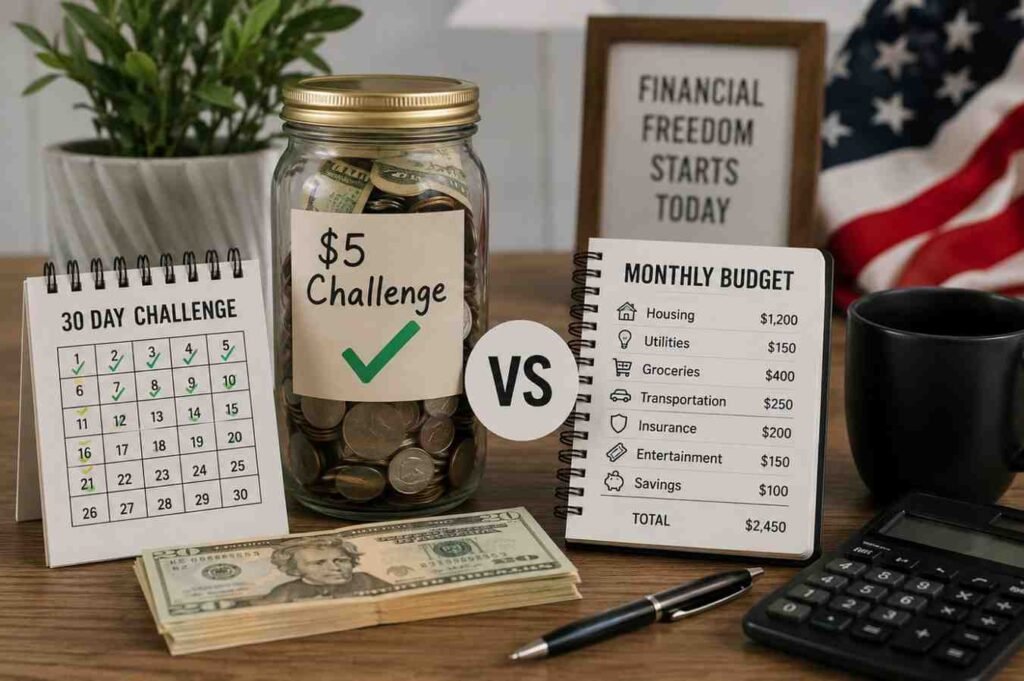
The first step is to separate your essential living costs from discretionary spending. I recommend reviewing your bank statements carefully. Add up your non-negotiable monthly costs:
Housing includes your rent or mortgage, property taxes, and home insurance. Utilities cover electricity, gas, water, internet, and basic phone plans. For food, consider groceries only, excluding dining out or food delivery apps. Healthcare should include insurance premiums, necessary prescriptions, and copays.
Transportation covers car payments, gas, insurance, or public transit. Finally, include minimum debt payments on student loans, credit cards, or personal loans.
Once you know your baseline, you have a clear target for your emergency fund, making your savings plan practical and focused.
Step 2: Set Incremental Milestone Goals
A massive savings target can feel overwhelming, so I always recommend breaking it into manageable milestones. The first is the Starter Fund: save $1,000 as quickly as possible to cover minor immediate emergencies, like a broken appliance. Next is the 3-Month Fund, multiplying your baseline expenses by three.
This is ideal for households with stable dual incomes. Finally, the 6-Month Fund offers a complete buffer, multiplying your monthly expenses by six—critical if you’re self-employed, work on commission, or support dependents.
Incremental goals make progress tangible and keep motivation high.
Step 3: Choose the Right Banking Vehicle
Your emergency fund must be safe, liquid, and separate from everyday spending. I’ve tested several options over the years, and here’s what works:
| Account Type | Pros | Cons |
| High-Yield Savings Account (HYSA) | Earns higher interest, fully liquid | Transfers may take 1–3 business days |
| Money Market Account (MMA) | Instant access via debit/check, higher returns | Higher minimum balance may be required |
| Cash Management Account (CMA) | Combines savings interest with checking flexibility | Not always directly FDIC-insured; relies on partner banks |
Look for accounts protected by the FDIC or NCUA, ensuring your savings are secure.
Step 4: Automate Your Savings Growth

Consistency is the most important factor. I set up my contributions so they happen automatically each payday. You can do this through a direct deposit split, instructing your employer to route a fixed dollar amount to your emergency fund.
Recurring bank transfers from your checking account on paydays work well too. Additionally, route any unexpected cash—federal tax refunds, work bonuses, or cash gifts—directly into your emergency fund. Automation removes decision fatigue, prevents temptation, and accelerates your progress.
Step 5: Establish Strict Rules for Use
Your emergency fund isn’t an investment or a vacation fund—it’s insurance. I recommend asking three questions before any withdrawal: Is the expense unexpected? Is it absolutely necessary? Is it urgent? For example, a broken refrigerator qualifies; upgrading to a new TV does not. Maintaining discipline ensures the fund is available when you genuinely need it.
Step 6: Monitor, Adjust, and Replenish
Building a fund is only half the work. I personally review my savings quarterly, adjusting contributions to reflect lifestyle changes or unexpected expenses. If you ever use a portion of your fund, replenish it immediately. This keeps your safety net intact and your financial confidence high.
Over time, your emergency fund will grow naturally, giving you both stability and freedom in managing life’s uncertainties.
Common Pitfalls to Avoid

Even with a plan, mistakes happen. Avoid mixing your emergency fund with checking accounts, setting unrealistic goals that discourage you, or ignoring inflation by keeping funds in low-interest accounts. Staying disciplined, monitoring progress, and adjusting as life changes ensures your fund truly protects you.
FAQs About Emergency Fund Savings
1. How much should I save if I have dependents?
Aim for six months of essential expenses, including housing, food, healthcare, transportation, and debt obligations.
2. Can I invest my emergency fund for higher returns?
Keep it in liquid, safe accounts like HYSAs or MMAs. Investing in stocks carries risk and reduces instant accessibility.
3. How quickly can I reach a $5,000 emergency fund?
At $500 per month, it will take ten months. Small, consistent contributions add up faster than occasional large deposits.
4. Should I use my fund for routine expenses?
No. Only use it for true emergencies to maintain your financial safety net.
Conclusion:
Creating a step-by-step emergency fund savings plan transforms financial anxiety into security. By calculating expenses, setting milestones, choosing the right account, automating savings, and enforcing strict usage rules, I’ve seen firsthand how this method gives Americans the confidence to face the unexpected.
Incorporating money‑saving hacks for couples can accelerate your progress and make managing shared finances easier. Start today—even small contributions matter—and you’ll build a safety net that truly safeguards your future.