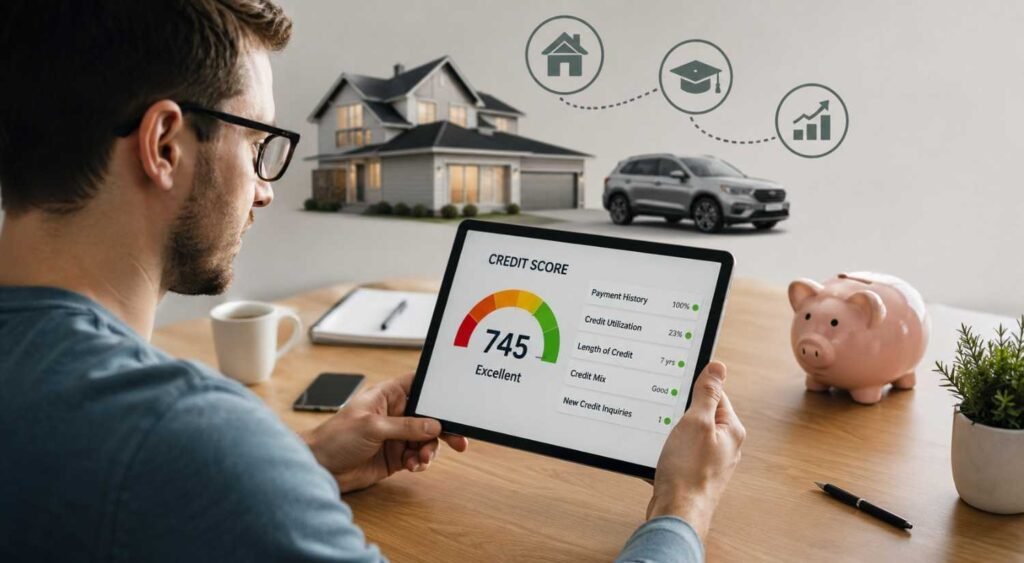
Many people start paying attention to their credit score only when they need a loan, apply for a credit card, or begin planning a major purchase. That’s usually when they discover that improving a credit score is not something that happens overnight. Unlike paying off a single bill or opening a new account, credit improvement is built through a series of consistent financial habits that gradually strengthen your credit profile over time.
The good news is that credit scores are not random. They are based on specific behaviors that lenders use to evaluate financial responsibility. Once you understand what influences your score, it becomes much easier to focus on actions that create meaningful results. The most effective credit score improvement strategies are rarely complicated. They simply require consistency, patience, and a clear understanding of what matters most.
Why Credit Scores Usually Improve Gradually?
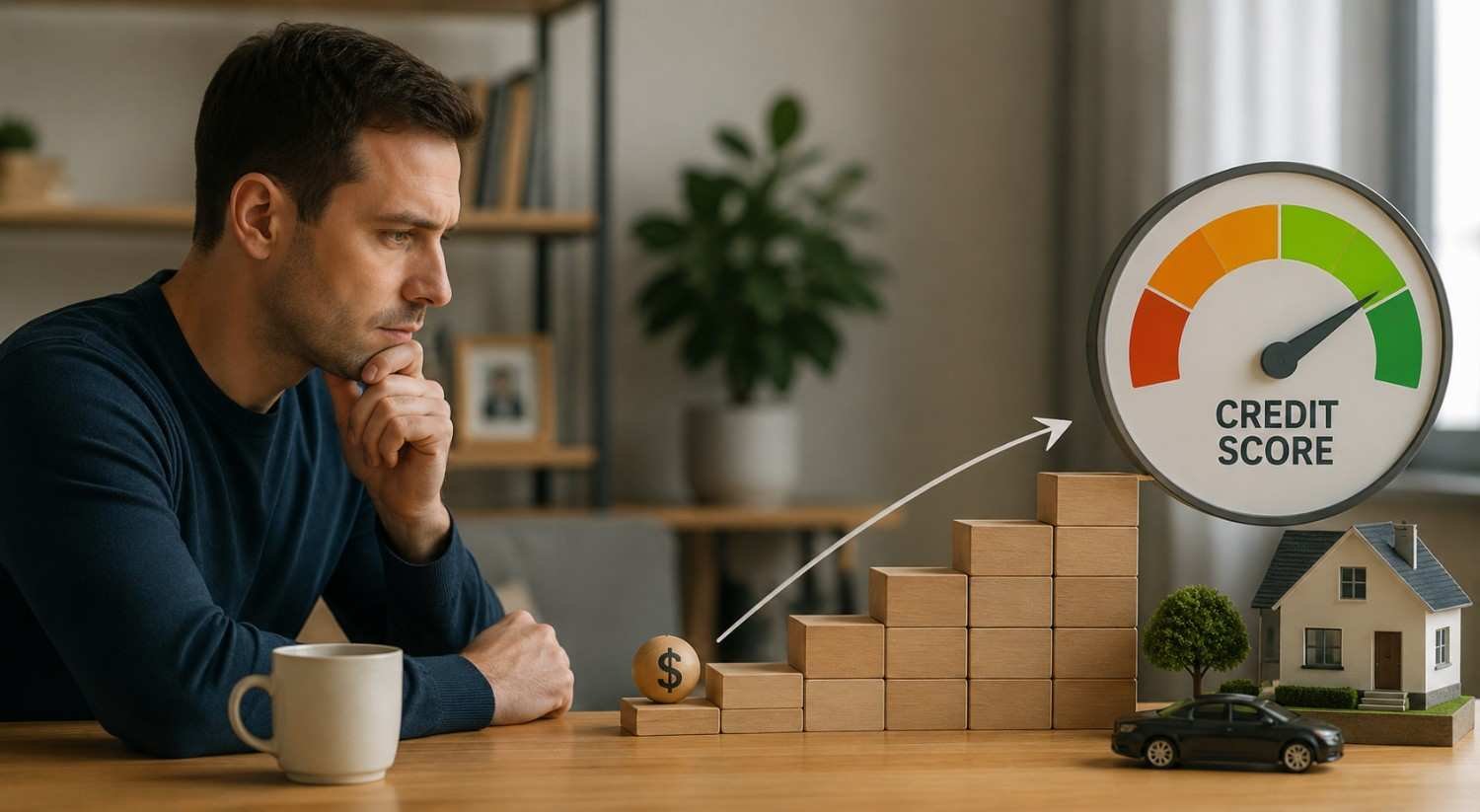
Many consumers search for quick fixes when trying to improve their credit score. Unfortunately, most scoring models reward long-term financial behavior rather than short-term actions.
Credit History Reflects Patterns, Not One-Time Decisions
Credit scores are designed to help lenders predict how likely someone is to manage debt responsibly. Because of that, scoring models look at patterns that develop over months and years instead of focusing on isolated financial decisions.
This is why paying off a single balance may improve a score, but maintaining healthy credit habits over time often creates the most significant long-term gains.
Consistency Matters More Than Perfection
A perfect financial record is not necessary for a strong credit score. What matters most is consistently making responsible decisions. Small improvements repeated over time usually have a greater impact than trying to find shortcuts that promise immediate results.
Lowering Your Credit Utilization Can Produce Faster Results
Among all credit score improvement strategies, reducing your credit utilization ratio is often one of the fastest ways to see positive changes.
Understanding Credit Utilization
Credit utilization measures how much revolving credit you are using compared to your available credit limits. Financial experts generally recommend keeping utilization below 30%, while many consumers with excellent credit maintain ratios closer to 10%.
For example, if your total available credit is $10,000 and your balances equal $3,000, your utilization ratio is 30%.
A lower utilization ratio signals responsible credit management and reduces perceived lending risk.
Strategic Ways to Reduce Utilization
Paying balances before statement closing dates can help lower the amount reported to credit bureaus. Some consumers also request credit limit increases after maintaining a strong payment history for several months. Increasing available credit without increasing spending can naturally reduce utilization percentages.
This approach often works particularly well for consumers who already use their accounts responsibly and want to strengthen their overall credit profile.
Payment History Remains the Most Important Factor
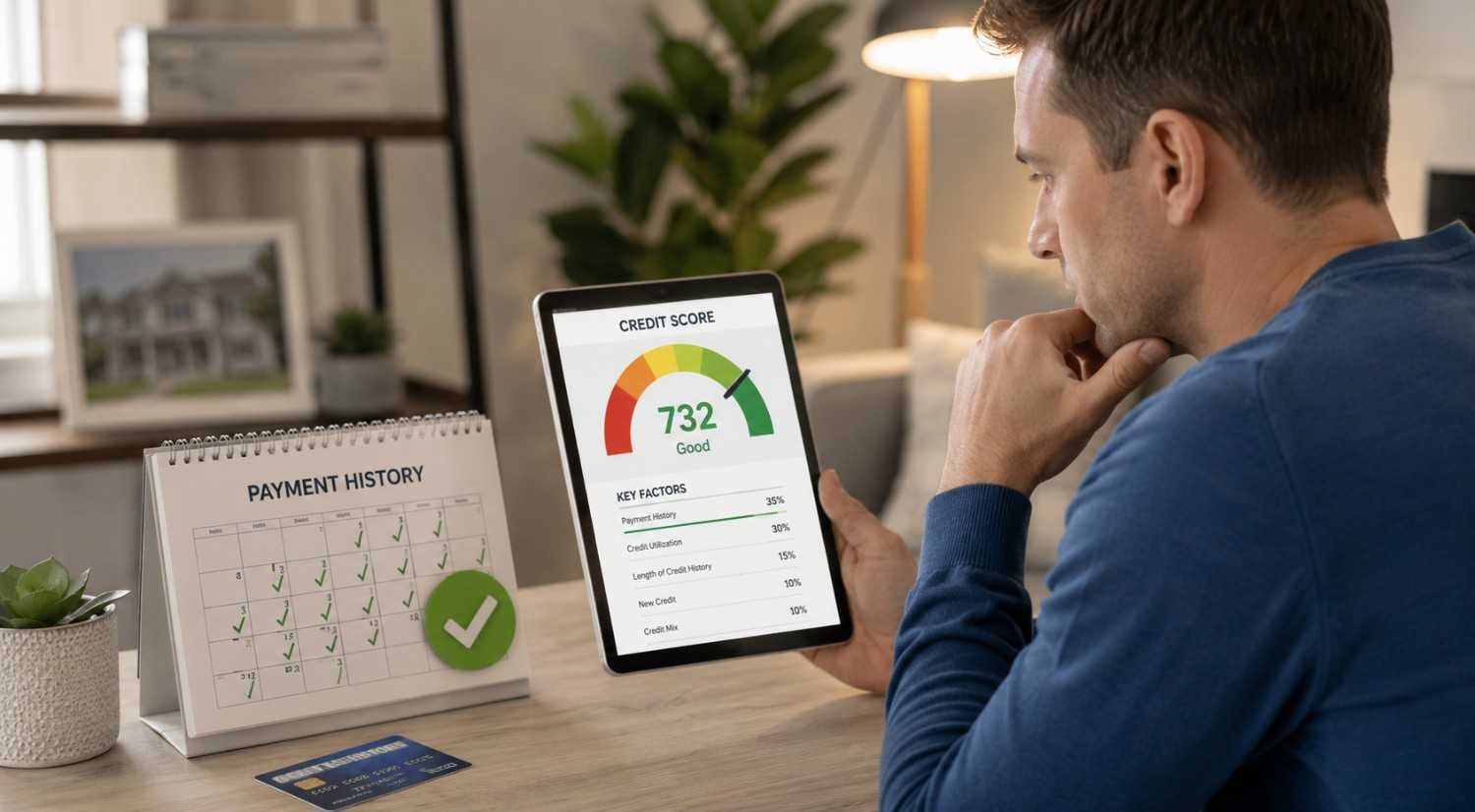
If there is one area that deserves constant attention, it is payment history.
Late Payments Can Have Long-Term Consequences
Payment history accounts for a significant portion of most credit scoring models. Even a single payment reported more than 30 days late can negatively affect a credit report for years.
Because of this, avoiding missed payments should always be a top priority.
Many consumers who successfully improve their scores focus first on eliminating late payments before worrying about more advanced strategies.
Automation Can Prevent Costly Mistakes
One of the simplest ways to protect your payment history is through automation. Setting up automatic minimum payments helps ensure that deadlines are never missed accidentally.
Some lenders also allow customers to adjust payment due dates. Aligning due dates with income schedules can make monthly budgeting easier and reduce the risk of missed payments.
Be Careful With New Credit Applications
Opening new credit accounts may seem helpful, but applying too frequently can create challenges.
Hard Inquiries Can Temporarily Lower Scores
Each time you apply for new credit, lenders may perform a hard inquiry. While a single inquiry usually has a small impact, multiple applications within a short period can signal financial stress to lenders.
Consumers often improve their credit scores faster by applying only for accounts they genuinely need rather than constantly pursuing new offers.
Focus on Long-Term Credit Health
Many people become distracted by promotional offers and attractive credit card benefits, but opening unnecessary accounts simply to access rewards can sometimes work against long-term credit goals.
A stronger strategy is to evaluate whether a new account genuinely fits your financial needs before submitting an application.
Building a Stronger Credit Profile Takes Time
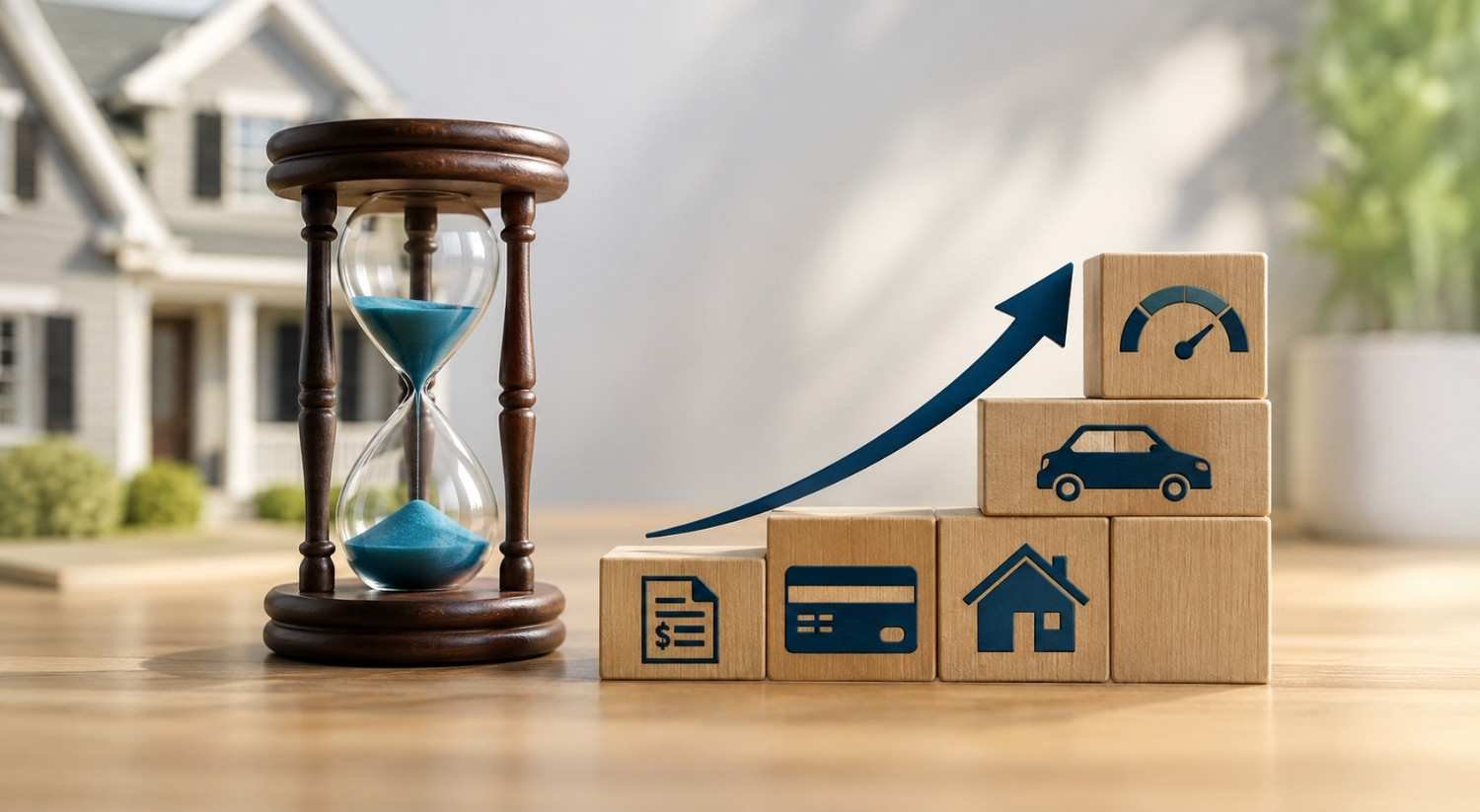
Credit scores do not rely on one factor alone. Lenders also evaluate the depth and maturity of your credit history.
Older Accounts Can Support Credit Strength
Many consumers are surprised to learn that closing old credit cards can sometimes lower their scores. Older accounts contribute to the average age of credit history and help demonstrate long-term account management.
Keeping older accounts open, especially those with positive payment histories, may benefit your credit profile over time.
Credit Diversity Can Help
A healthy mix of revolving credit and installment loans often demonstrates an ability to manage different types of debt responsibly.
This does not mean consumers should take on debt unnecessarily. Instead, it highlights the value of managing existing accounts effectively when different credit types are already part of a financial profile.
Review Your Credit Reports Regularly
Even responsible consumers can experience credit score issues caused by reporting errors.
Credit Report Mistakes Are More Common Than Many Expect
Incorrect account balances, inaccurate payment histories, duplicate accounts, or accounts that do not belong to you can all negatively affect credit scores.
Regular monitoring helps identify these issues before they create larger problems.
Use Official Credit Reporting Resources
Consumers can access free credit reports through AnnualCreditReport, which provides reports from the major credit bureaus.
Reviewing reports periodically allows you to:
- Verify account information
- Identify potential fraud
- dispute reporting errors
- Monitor credit improvement progress
Correcting inaccurate information may lead to meaningful score improvements when legitimate reporting errors are present.
FAQs: The Most Effective Credit Score Improvement Strategies for Everyday Consumers
1. How quickly can a credit score improve?
The timeline varies based on individual circumstances. Some consumers see improvements within a few months after lowering credit utilization, while larger improvements often require consistent financial habits over a longer period.
2. What is the ideal credit utilization ratio?
Most financial experts recommend keeping utilization below 30%, while ratios below 10% are often associated with stronger credit profiles.
3. Does checking your own credit score lower it?
No. Checking your own credit score is considered a soft inquiry and does not negatively affect your credit score.
4. Should I close old credit cards I no longer use?
In many situations, keeping older accounts open can help preserve credit history length and maintain available credit, both of which may support a stronger score.
Why Better Credit Is Really About Better Financial Habits
The most successful credit score improvement strategies are rarely dramatic. They are built through responsible habits repeated consistently over time. Paying bills on time, managing credit utilization carefully, avoiding unnecessary applications, and monitoring credit reports may seem simple, but together they create a strong foundation for long-term credit health.
While quick fixes often attract attention, lasting credit improvement usually comes from patience and discipline. The consumers who achieve the strongest results are often the ones who focus less on chasing a number and more on building healthy financial behaviors that naturally support a better credit score.