Busy tables feel great, but returning guests keep restaurants alive. The right restaurant loyalty programs ideas can turn casual diners into regulars, support cash flow, and help owners plan around rent, payroll, food costs, and loan repayments.
Restaurant Loyalty Programs Ideas Do Matter
Restaurant loyalty programs ideas matter because repeat customers create steadier revenue. For restaurants managing working capital loans, equipment financing, or expansion plans, predictable visits can support healthier cash flow, better budgeting, and smarter repayment planning without depending only on expensive ads or constant discounts.
Structure And Formats
Visit-Based Punch Cards
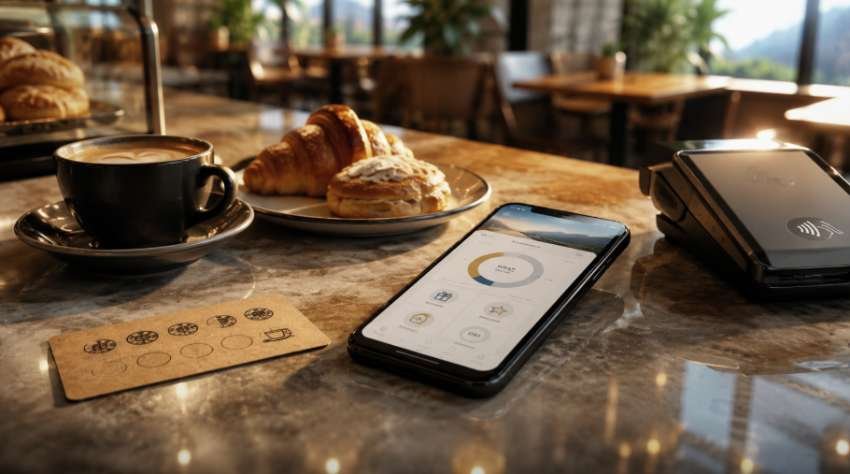
Visit-based punch cards are ideal for coffee shops, cafes, bakeries, juice bars, and breakfast spots because guests often buy the same item several times a week.
The model is simple: buy ten coffees, get one free. A digital punch card makes it better because customers cannot lose it, while the restaurant can track visits and favorite products.
Point-Based Systems
Point-based systems fit fast-casual restaurants, diners, burger shops, and full-service venues where guests spend different amounts each visit.
A simple setup gives one point for every dollar spent, then lets customers redeem points for a favorite menu item. Bigger spenders earn faster, but everyone feels included.
For owners watching loan payments, points should lead to high-margin rewards. A drink, side, dessert, or appetizer often protects profit better than discounting the full bill.
Tiered Programs
Tiered programs encourage repeated spending by unlocking better perks at each level. They work well for full-service restaurants, premium casual brands, pizzerias, and neighborhood favorites.
A restaurant can use Bronze, Silver, and Gold levels. Bronze members get birthday rewards, Silver members get priority seating, and Gold members receive exclusive tastings or premium freebies.
High-Impact Reward Ideas
Quick-Win Sign-Up
A quick-win sign-up reward gives customers an instant reason to join. It could be a free fountain drink, small fry, cookie, coffee upgrade, or bonus points after registration.
People love immediate value. Asking someone to join a restaurant rewards program feels easier when they receive something small right away.
Surprise And Delight
Surprise and delight rewards feel more personal than regular coupons. They are unexpected perks based on birthdays, visit history, favorite orders, or customer behavior.
A restaurant can text a complimentary dessert on a guest’s birthday, send bonus points after a fifth visit, or offer a free sauce to someone who always orders wings.
Off-Peak Incentives
Off-peak incentives help fill slow hours without lowering prices all week. This is one of the smartest ways to use loyalty for cash flow.
Offer double points on Tuesdays, a free appetizer during early dinner, or bonus rewards for weekday lunch orders. The goal is to move demand into quiet windows.
Creative And Experiential Ideas
Secret Menu Access
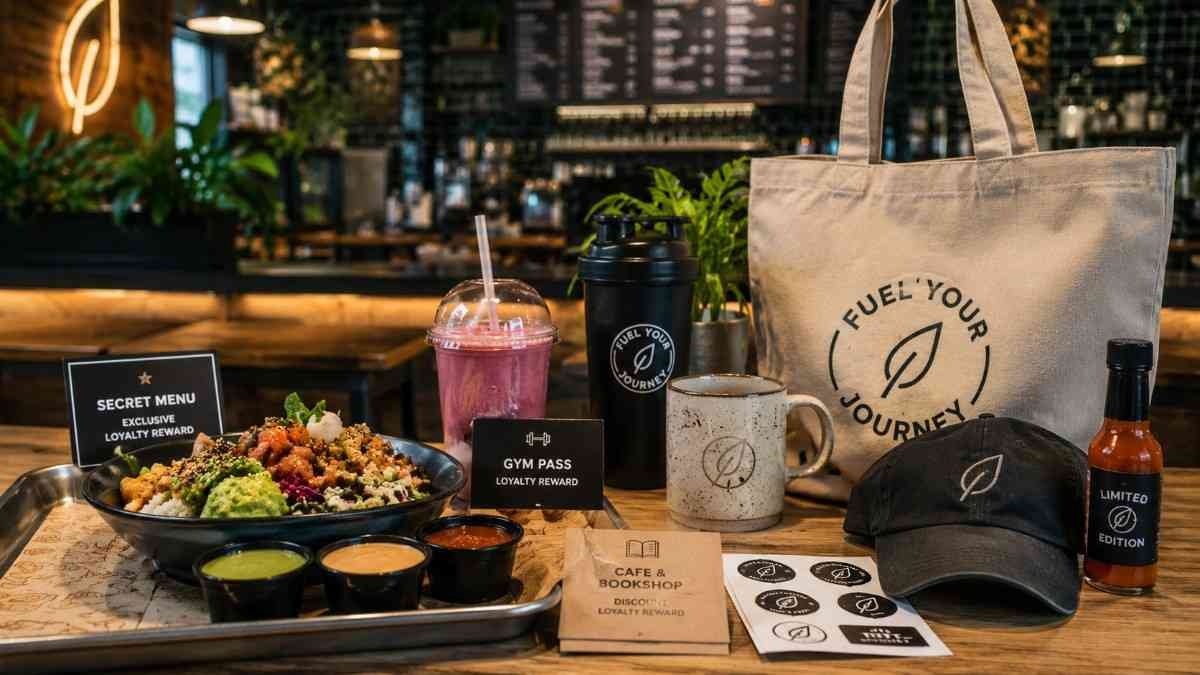
Secret menu access makes loyalty members feel like insiders. It can include unreleased items, seasonal previews, limited sauces, chef specials, or test kitchen dishes.
This works for burger shops, taco spots, cafes, bakeries, and trendy fast-casual restaurants. Customers get exclusive value, while the restaurant tests new menu items with engaged fans.
Partner Cross-Promotions
Partner cross-promotions connect a restaurant with nearby businesses. A smoothie shop can partner with a gym, a cafe with a bookstore, or a lunch spot with a coworking space.
For example, customers from a nearby gym could receive a complimentary smoothie add-on, while restaurant guests get a gym trial pass.
Custom Swag Rewards
Custom swag turns loyal customers into walking promoters. Think branded mugs, reusable cups, hot sauce bottles, tote bags, stickers, or limited-edition caps.
This works best for restaurants with a strong local identity or passionate fan base. A branded mug for coffee regulars can encourage repeat visits and social sharing.
Software And Execution
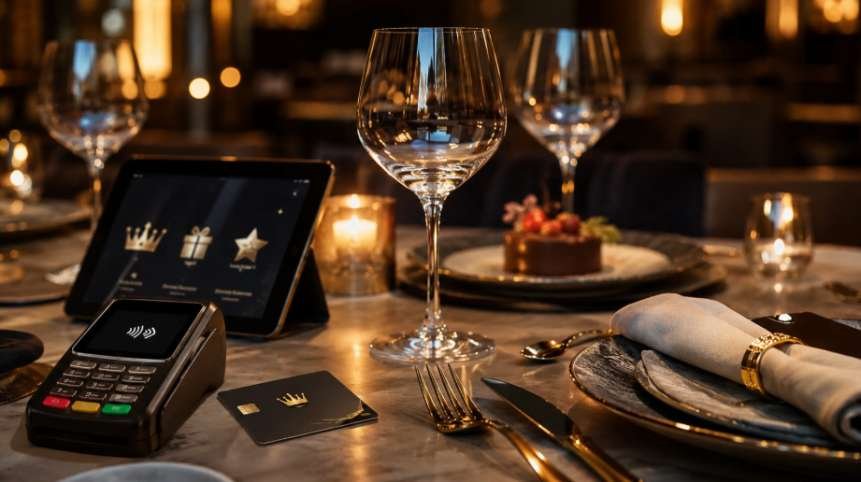
Digital Integration
Digital integration lets customers earn and redeem rewards across dine-in, curbside pickup, direct online ordering, and delivery. That consistency builds trust.
Restaurants using loyalty software should track whether rewards are actually driving repeat visits, because the right setup can increase sales with a loyalty program and retain borrowers by improving cash flow visibility and long-term customer engagement.
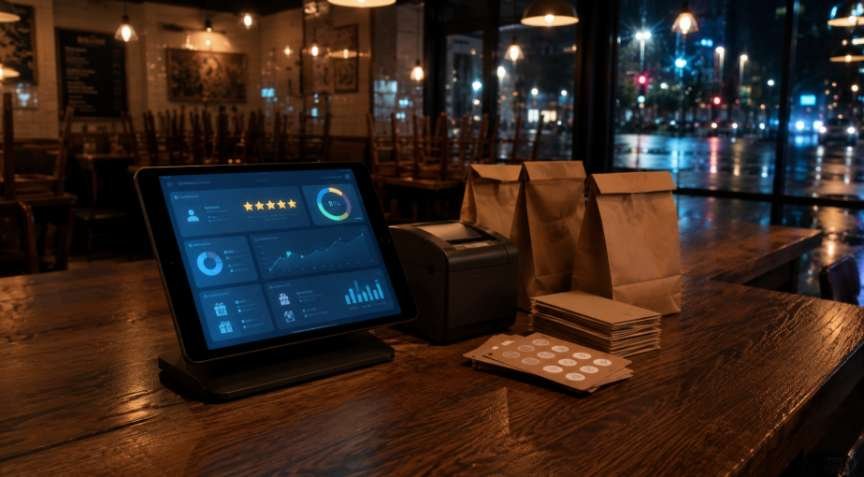
A modern POS, online ordering platform, or loyalty app can connect customer profiles, purchase history, rewards, and messages in one place.
For restaurants financing technology upgrades, loyalty software should be judged like any investment. It should save time, improve retention, and produce measurable revenue.
Visible Progress
Visible progress keeps customers motivated. A progress bar, points balance, stamp tracker, or reward countdown shows guests exactly how close they are.
This small detail changes behavior. Someone who sees they are two visits away from a free item is more likely to return soon.
Progress tracking also makes loyalty feel like a game. Challenges, streaks, and bonus point campaigns work because they make repeat visits fun.
Smart Customer Data
Customer data helps restaurants send better offers. A lunch regular, birthday diner, catering buyer, and weekend family customer should not all receive the same message.
Customer data can also reveal what financial topics guests or business owners care about, making it easier to share useful resources such as whether someone can file bankruptcy on student loans alongside loyalty updates and educational content
Use purchase history, visit frequency, order channel, and favorite items to personalize rewards. Keep consent, privacy, and message frequency in mind.
Better data supports smarter financial planning. Owners can see which offers work and whether loyalty revenue supports future borrowing decisions.
How To Use Restaurant Loyalty Programs Ideas
Restaurant loyalty programs ideas work best when you follow a simple process. Start with one business goal, match the reward to that goal, promote it everywhere, then measure repeat visits, loyalty revenue, and average order value.
Step One: Pick One Goal
Choose one problem first. Maybe Mondays are slow, online orders are low, or new guests do not return after their first visit.
A cafe may focus on morning frequency, while a pizza shop may want weekday family orders. A full-service restaurant may want repeat reservations.
Clear goals make results easier to manage and easier to explain if revenue trends are later reviewed for financing.
Step Two: Match The Reward
Once the goal is clear, choose the reward. For slow days, use double points. For direct orders, give website-only perks. And for referrals, reward both guests.
The reward should feel attractive while protecting food and labor costs. High-margin items, exclusive access, and bonus points are often safer than deep discounts.
Think of the reward as a small investment in repeat revenue. It should bring guests back often enough to justify the cost.
Step Three: Promote And Measure
Promote the program on receipts, menus, table tents, staff scripts, email, SMS, social media, Google Business Profile posts, and online checkout pages.
Staff can explain it simply: “Join free today and earn rewards every time you order with us.” Simple language increases sign-ups.
Measure repeat visit rate, average order value, redemption rate, loyalty revenue, and inactive customers. Keep what works and adjust what does not.
Frequently Asked Questions
1. What Are The Best Restaurant Loyalty Programs Ideas?
The best restaurant loyalty programs ideas are simple, gamified, and profitable. Punch cards, points, tiers, bonus challenges, birthday rewards, and direct-order perks usually work well.
2. Do Loyalty Programs Help With Restaurant Loans?
They can support stronger cash flow and repeat revenue, which may help owners plan repayments. Lenders still review financial health, debt, sales, and documents.
3. Should Restaurants Use Digital Or Paper Loyalty Cards?
Digital cards usually work better because they track visits, reduce lost cards, and provide customer data. Paper cards can still suit very small operations.
4. How Often Should Rewards Be Offered?
Rewards should feel reachable but not too frequent. Restaurants should test redemption timing, watch margins, and adjust rewards based on repeat visits and profitability.
Keep The Tables Turning With Loyalty
The smartest restaurant loyalty programs ideas do more than give away food. They make customers feel valued, turn visits into habits, and help restaurants build steadier revenue. For owners in the loans space, that matters because predictable cash flow supports better budgeting, safer borrowing, and stronger growth decisions. Start simple, make rewards fun, track results, and let loyal guests fuel your next move.