Not long ago, paying for everyday purchases involved a predictable routine. You pulled out cash, counted bills, waited for change, or inserted a card into a payment terminal and entered a PIN. It was normal because there were few alternatives. Today, that experience feels increasingly outdated. A quick tap of a card, phone, or smartwatch now completes many transactions in seconds.
The growth of contactless payment methods has done more than speed up checkout lines. It has changed how people shop, how businesses serve customers, and even how cities manage transportation systems. What started as a convenience feature has become an expectation for many consumers who value speed, security, and simplicity in their daily routines.
Why Consumers Are Embracing Contactless Payment Methods
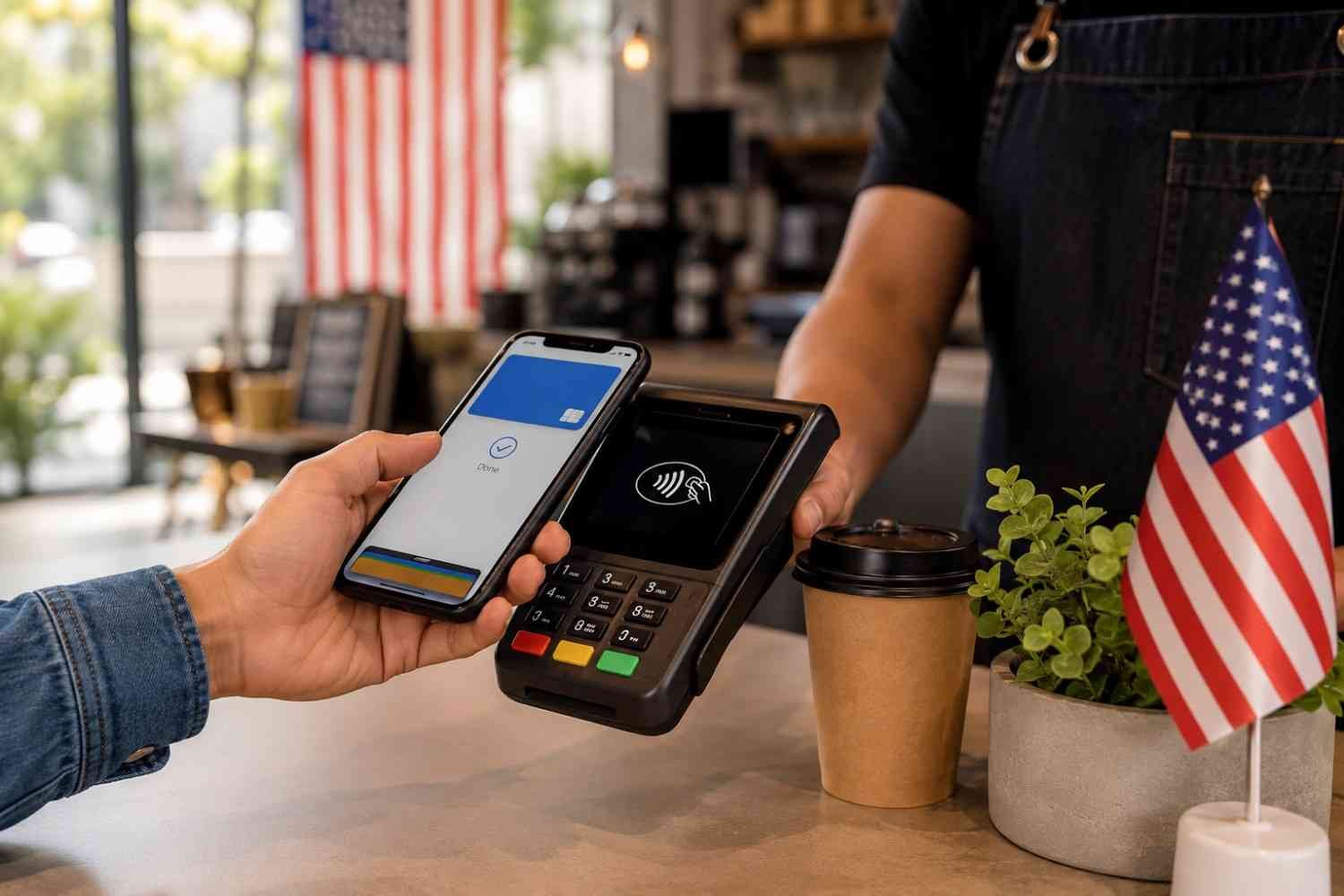
Convenience remains the biggest driver behind the rise of contactless transactions.
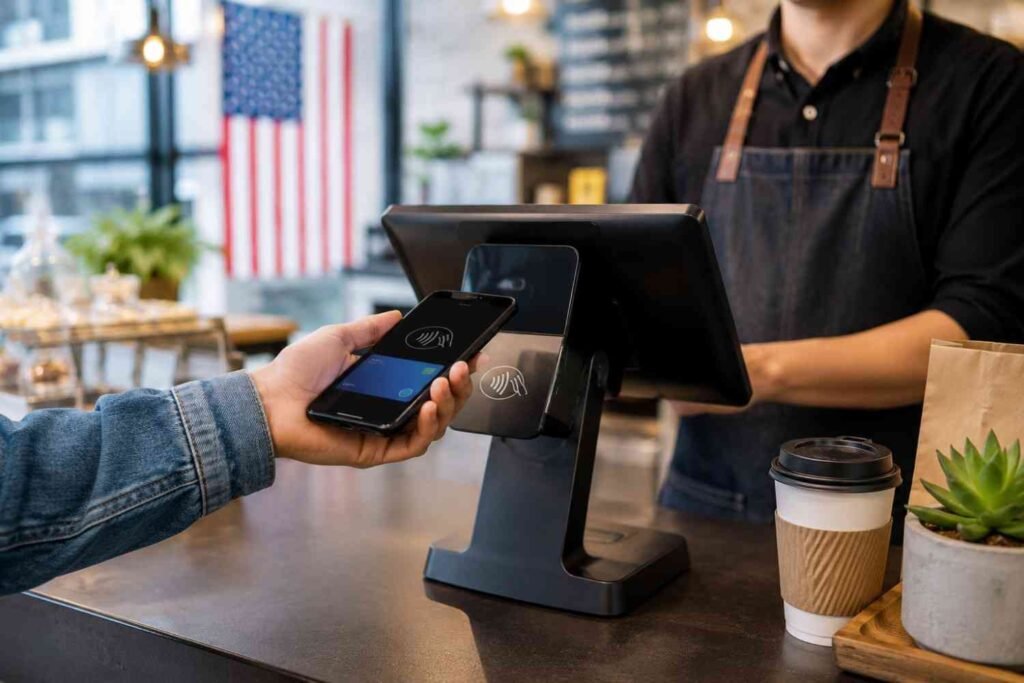
People are constantly looking for ways to save time, even if it’s only a few seconds. Contactless payments eliminate several steps from the purchasing process. Instead of swiping a card, inserting a chip, or handling cash, customers simply tap and go.
This small improvement has a surprisingly large impact on everyday experiences. Whether someone is buying a morning coffee, grabbing lunch during a busy workday, or paying for groceries, faster transactions reduce waiting times and make the checkout process feel effortless.
The growing popularity of mobile wallets has also contributed to this shift. Consumers can store debit cards, credit cards, loyalty cards, and transit passes in a single app, reducing the need to carry bulky wallets filled with physical cards.
Faster Checkouts Are Changing Spending Habits
One of the most noticeable effects of contactless payment methods is the reduction of checkout friction.
When purchases become easier to complete, consumers naturally become more comfortable making small transactions throughout the day. Buying a bottle of water, a snack, or a newspaper no longer requires carrying exact change or waiting for a card transaction to process.
The simplicity of tap-to-pay technology has helped normalize micro-transactions. Consumers can make quick purchases without interrupting their daily activities, which has subtly changed spending behavior across retail environments.
This does not necessarily encourage reckless spending. Instead, it reflects how payment technology has become integrated into everyday life. The transaction itself feels almost invisible, allowing people to focus more on the purchase and less on the payment process.
How Businesses Benefit From Contactless Transactions
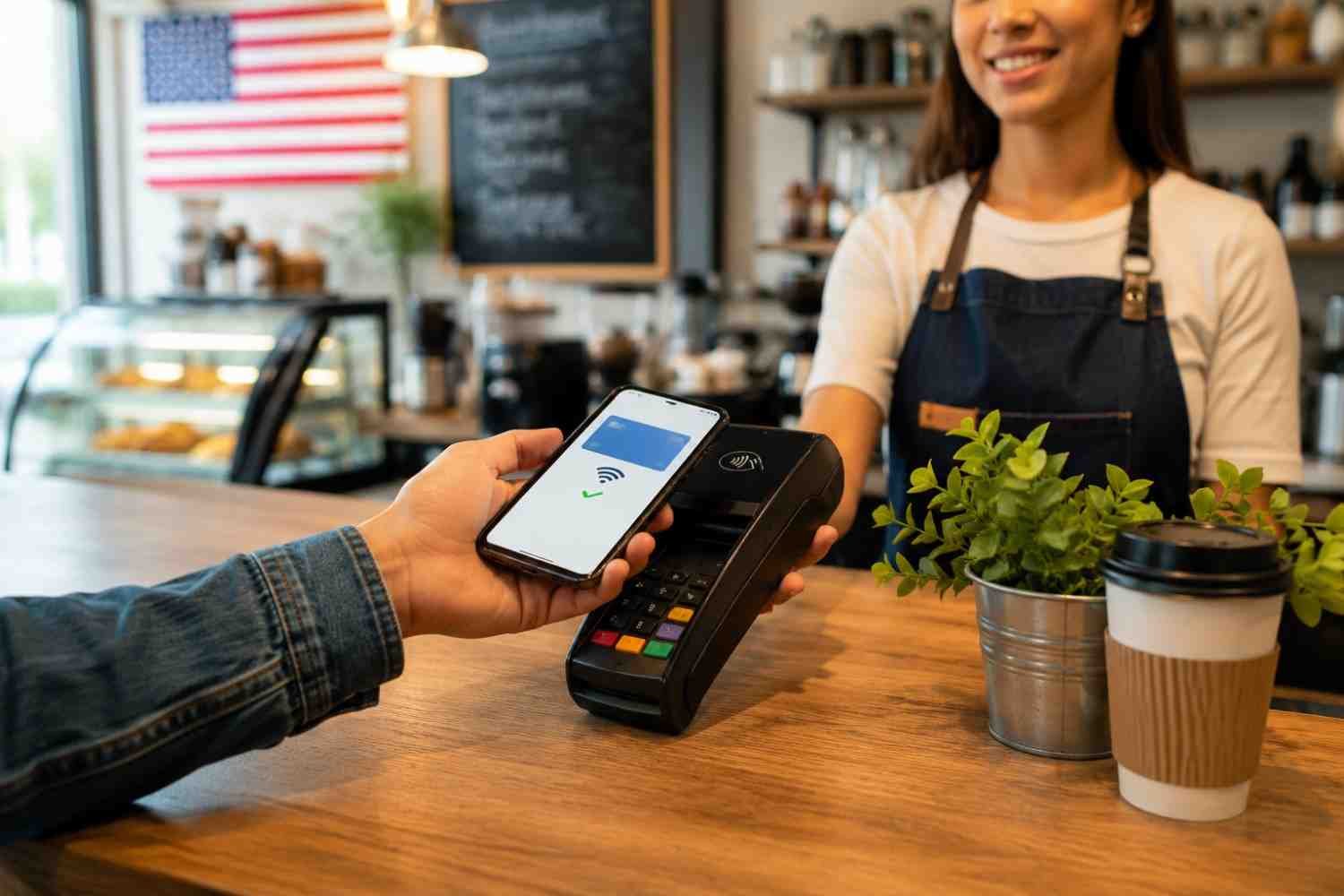
The impact of contactless payments extends well beyond the customer experience.
For businesses, speed matters. Faster transactions mean shorter lines, improved customer flow, and a smoother shopping experience during peak hours. Retailers, restaurants, and service providers can serve more customers without increasing staffing levels.
Several operational benefits have also emerged:
- Reduced cash handling and reconciliation
- Lower risk of cash theft
- Fewer manual counting errors
- Improved transaction tracking
- Faster checkout experiences for customers
Many modern point-of-sale systems now combine payments with loyalty programs. Customers can earn rewards automatically when they tap their card or mobile wallet. Businesses benefit because the process encourages repeat purchases while reducing friction.
Companies that actively educate customers about credit card benefits and digital rewards programs are finding new ways to strengthen customer relationships through payment technology.
The Technology Behind Contactless Payments
Most contactless payment methods rely on Near-Field Communication, commonly known as NFC technology.
NFC allows two devices to communicate when they are placed close together. When a customer taps a card, smartphone, or wearable device near a payment terminal, encrypted payment information is transmitted securely between the devices.
While the process feels simple to the user, several technologies work together behind the scenes:
- NFC payment technology
- Digital wallets
- Tokenization
- Data encryption
- Biometric authentication
These systems create a secure payment environment while maintaining the speed consumers expect from modern transactions.
QR code payments have also become increasingly popular. Unlike NFC payments, QR-based systems allow users to scan a code using a smartphone camera, creating another convenient option for cashless transactions.
Contactless Payments Are Transforming Public Transportation
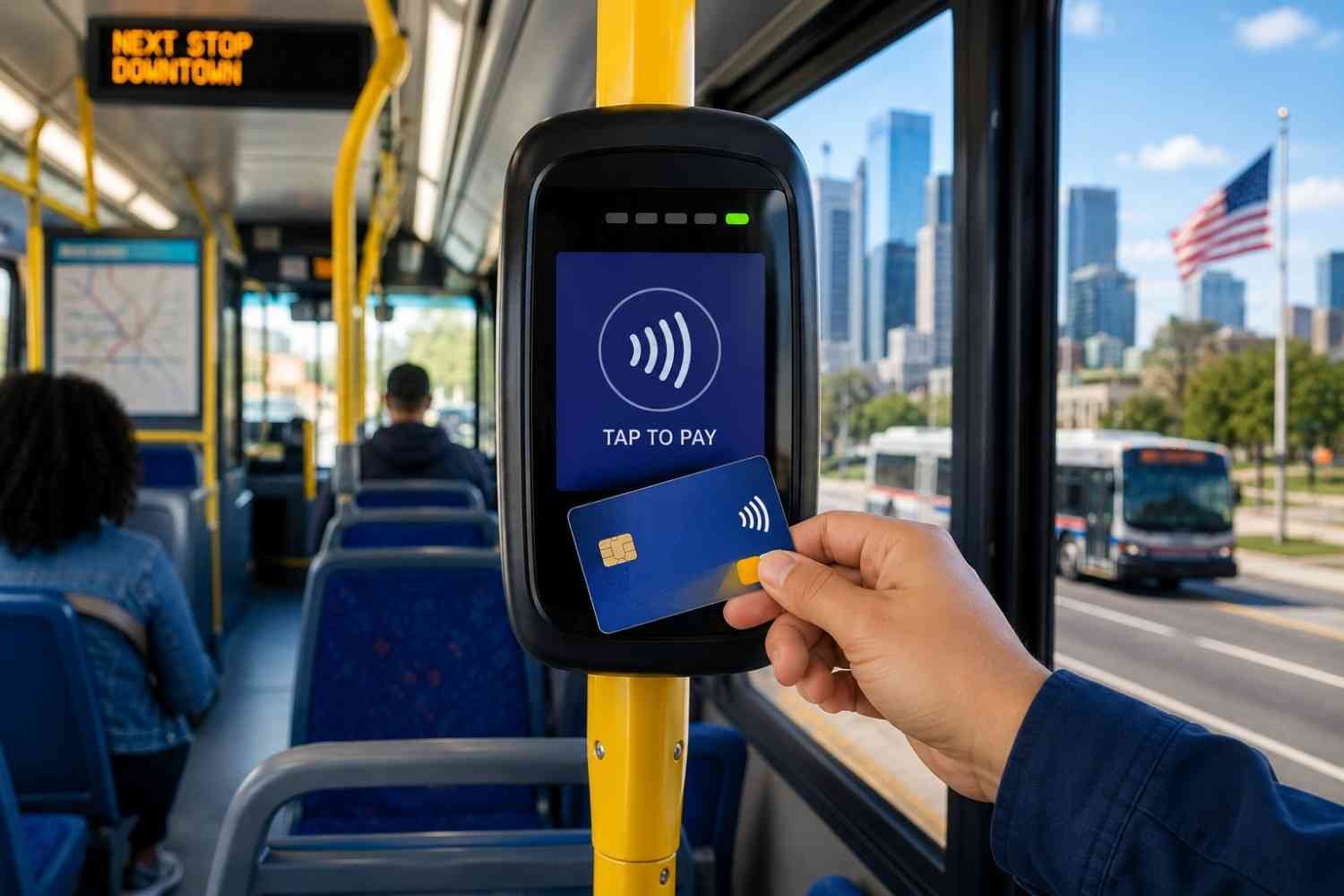
The influence of contactless technology is becoming increasingly visible in transportation networks.
Many transit systems now allow riders to use personal bank cards, smartphones, or wearable devices instead of purchasing paper tickets or maintaining separate transit cards. This approach simplifies the travel experience and reduces operational costs for transportation providers.
Commuters can move through stations more efficiently because they no longer need to stop at ticket machines before boarding. The same payment technology used in retail environments is helping create faster and more connected transit experiences.
As more cities adopt open-loop payment systems, contactless transactions are becoming part of everyday commuting rather than just shopping.
FAQs: How Contactless Payment Methods Are Changing Everyday Transactions
1. Are Contactless Payment Methods Safe?
Yes. Most contactless payment methods use encryption, tokenization, and advanced security protocols. Mobile wallets often add biometric authentication for additional protection.
2. What Devices Can Be Used For Contactless Payments?
Consumers can use contactless credit cards, debit cards, smartphones, smartwatches, and other NFC-enabled devices to complete transactions.
3. Do Contactless Payments Work Without Internet Access?
Many contactless card transactions can be completed without an active internet connection on the user’s device because the payment terminal processes the transaction through the payment network.
4. Why Are Businesses Encouraging Contactless Transactions?
Businesses benefit from faster checkouts, shorter lines, improved customer satisfaction, lower cash handling costs, and better transaction tracking.
Final Thoughts
Contactless payment methods have fundamentally changed the way people interact with money. What once felt like a futuristic feature has become part of everyday life, influencing everything from retail purchases and restaurant visits to public transportation and digital commerce. The combination of convenience, speed, and security has created a payment experience that aligns with modern consumer expectations.
As technology continues to evolve, contactless transactions will become even more deeply integrated into daily routines. For consumers and businesses alike, the shift toward seamless payments is no longer a future trend—it is already happening.