A few years ago, most people thought of digital wallets as a simple replacement for a physical wallet. You added a credit card, tapped your phone to pay, and moved on. That was the entire experience. Today, things look very different. Modern digital wallets have evolved into intelligent financial tools that quietly handle security, automation, and convenience in ways many users never notice.
What’s interesting is that some of the most valuable digital wallet features work completely in the background. They protect your information, organize your daily activities, and make transactions smoother without requiring any extra effort. The average user may never open the settings menu or explore advanced functions, yet they benefit from them every single day.
The Security Features Working Behind Every Transaction
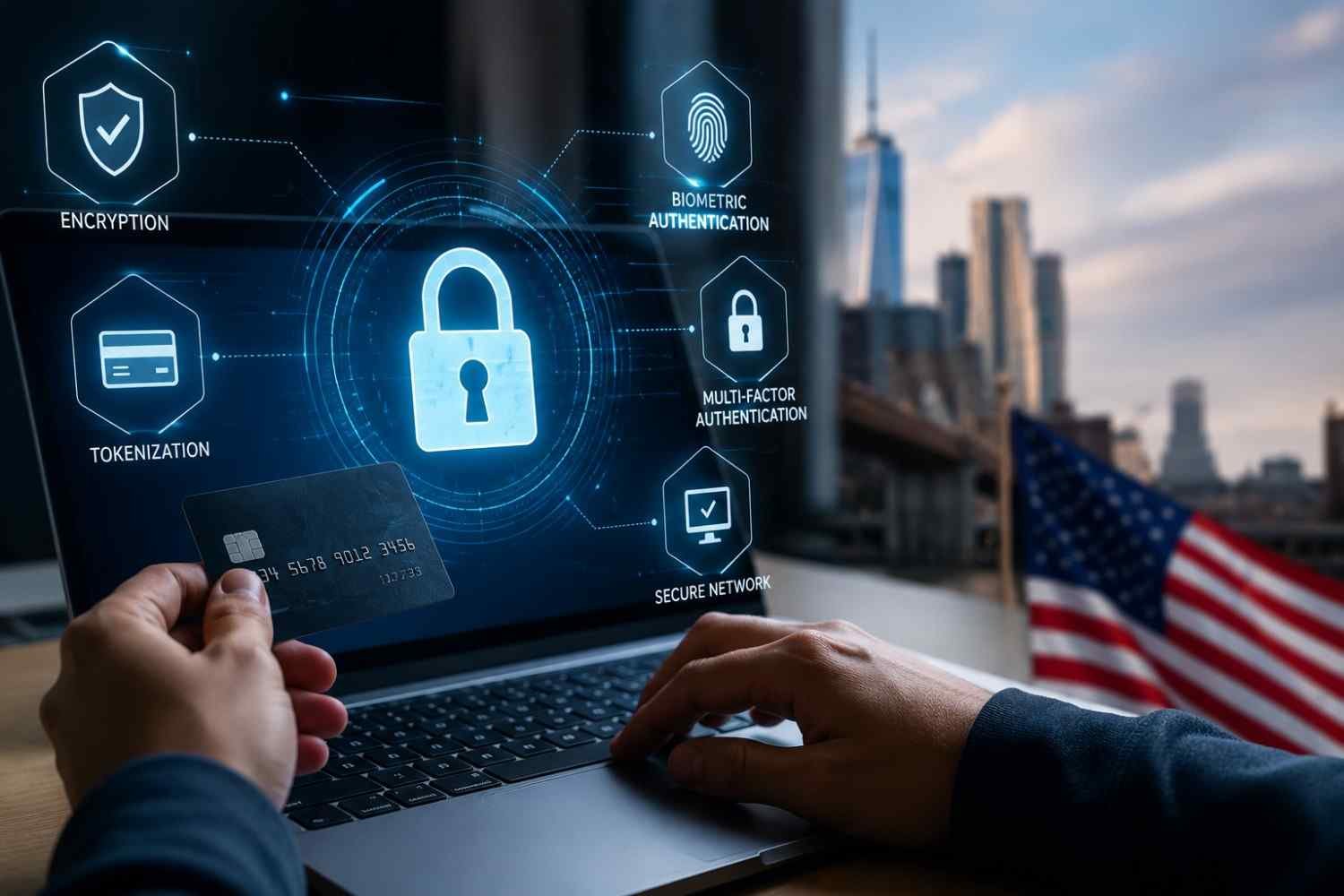
One reason digital wallets have become popular is their ability to improve security while making payments easier. Most people know they use biometric authentication such as Face ID or fingerprint scanning, but they often don’t realize what happens after they tap their device.
Payment Tokenization Protects Your Card Information
One of the most important digital wallet features is payment tokenization. Instead of sending your actual card number during a transaction, the wallet generates a unique digital token. This temporary token acts as a substitute for your card details.
If a retailer experiences a data breach, attackers cannot obtain your real card number because it was never shared during the transaction. This layer of wallet security significantly reduces the risks associated with digital transactions and online payments.
Device-Level Cryptography Creates an Extra Security Layer
Modern mobile wallet platforms store sensitive payment credentials inside a secure hardware component known as a Secure Element. This isolated chip keeps financial information separated from the rest of the device.
Even if malicious software affects another part of the phone, the secure storage environment remains protected. Most users never interact with this feature directly, but it plays a major role in keeping secure payments possible.
Privacy Is Becoming Smarter
Digital identity technology is advancing quickly. Some digital payment solutions can verify specific information without exposing unnecessary personal details.
For example, a digital ID may confirm that someone meets an age requirement without revealing their exact birth date, address, or other personal information. These privacy-focused innovations are becoming increasingly important as digital wallets expand beyond payments.
Automation Features That Save Time Every Day
Many people underestimate how much automation occurs behind the scenes inside a wallet app.
Instead of simply storing payment cards, today’s e-wallet platforms connect with other services to reduce friction in daily activities.
Tickets and Passes Appear Automatically
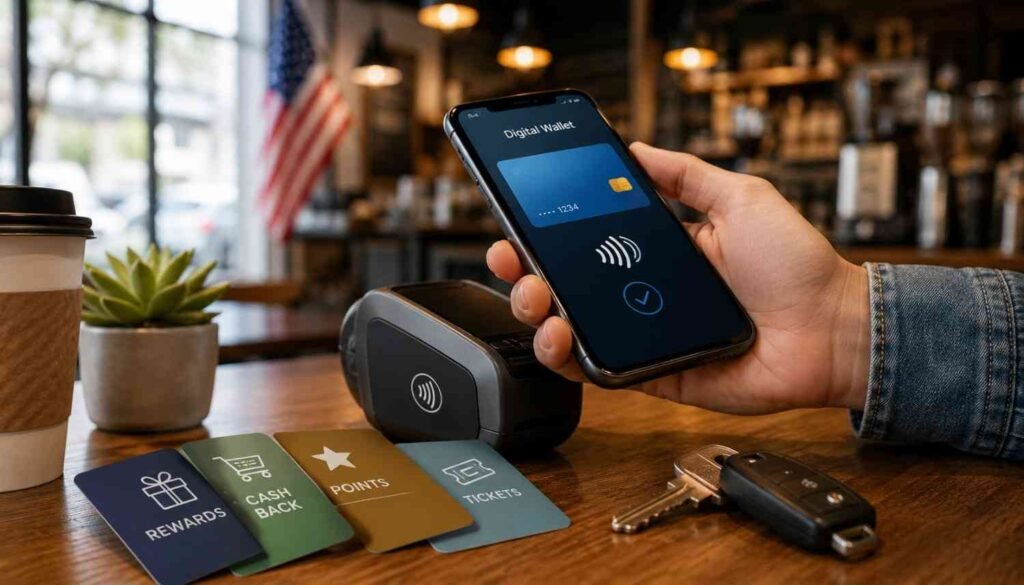
One of the most overlooked digital wallet features is automatic pass management. When users receive confirmations for flights, events, or movie tickets, many wallets can recognize the information and add it automatically.
Rather than searching through email folders at the airport or theater entrance, everything is already available in one place. This small convenience often saves more time than people realize.
Real-Time Travel Updates
Digital wallets have become useful travel companions. Once a boarding pass is stored, the wallet can receive updates from airline systems.
Gate changes, delays, and schedule adjustments can appear automatically. Instead of constantly checking a separate airline app, travelers receive information directly through their wallet experience.
Location-Based Convenience
Some payment apps use location awareness to surface relevant cards or passes at the right moment.
For example, loyalty rewards, transit passes, or membership cards may appear automatically when users arrive at a specific location. These background functions help eliminate unnecessary searching and create a smoother payment experience.
Everyday Features Most People Forget They Use
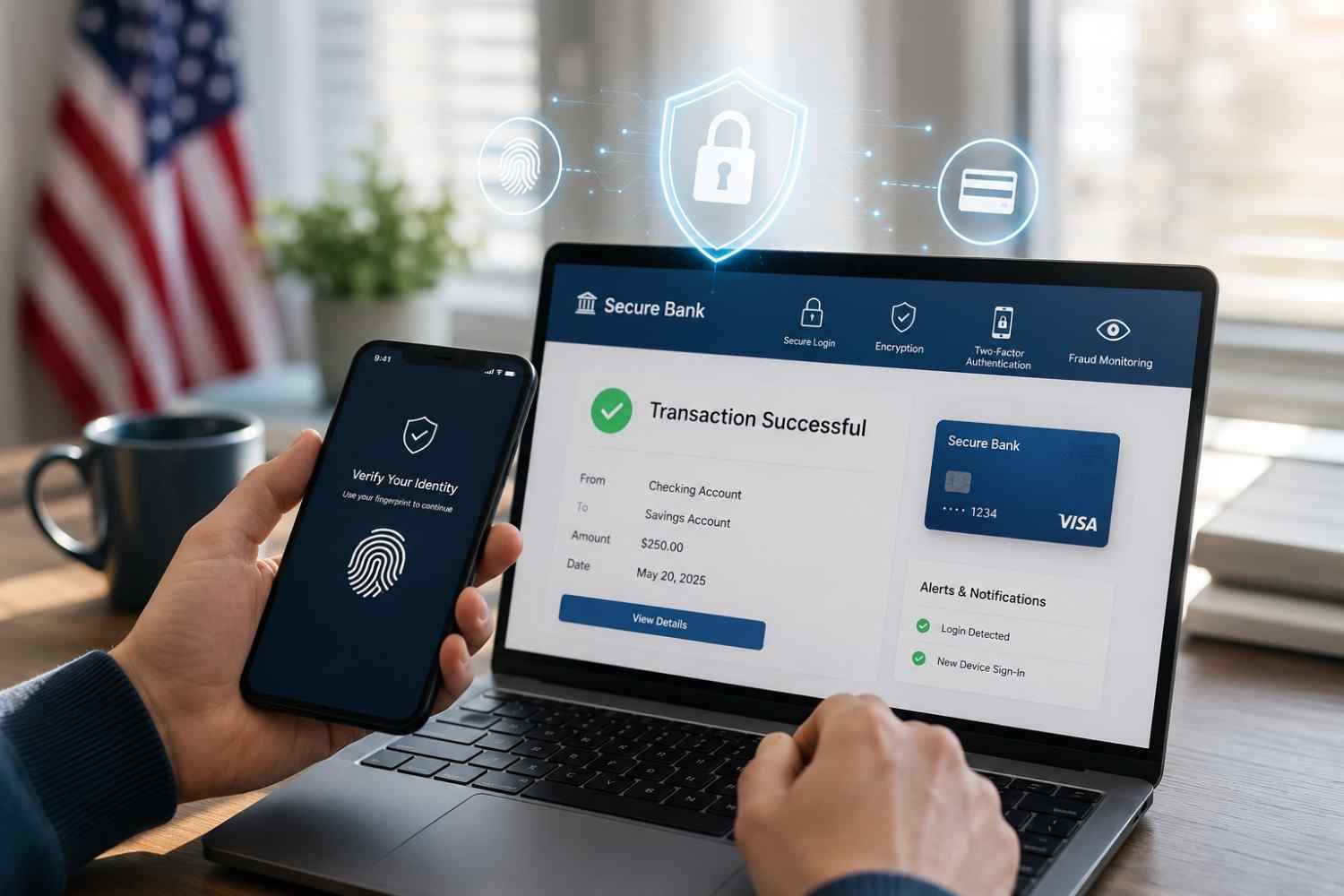
Many of the best digital wallet features are not flashy. They simply remove small inconveniences from everyday life.
Cardless ATM Withdrawals
Physical debit cards are no longer required at many ATM locations. Users can access cash by tapping their phone against an NFC-enabled ATM and authenticating with biometrics.
This feature reduces dependency on physical cards while making mobile payments and banking services more flexible.
Transit Card Emulation
Public transportation systems continue to integrate with digital payment technology. Many wallets can function like dedicated transit cards, allowing passengers to move through stations without unlocking their phones.
The process feels almost invisible because it happens so quickly. For frequent commuters, this is one of the most practical digital wallet features available today.
Automatic Balance Management
Prepaid wallets often include auto-load functionality. The system monitors balances in the background and transfers funds automatically when they fall below a predefined threshold.
Users avoid declined transactions while maintaining uninterrupted access to services and purchases.
Hidden Financial Management Tools
While digital wallets are primarily associated with payments, many also provide valuable financial management tools.
A growing number of wallet apps categorize spending, track transaction history, and generate spending insights. These features help users understand where their money goes without requiring separate budgeting software.
Some platforms can also manage recurring payments, organize digital receipts, and provide instant transaction notifications. Together, these tools create a clearer picture of personal spending habits.
Another benefit is the growing integration with contactless payment methods, allowing users to move between online purchases, in-store transactions, transit systems, and peer-to-peer payments through a single ecosystem.
Features That Quietly Improve Daily Life
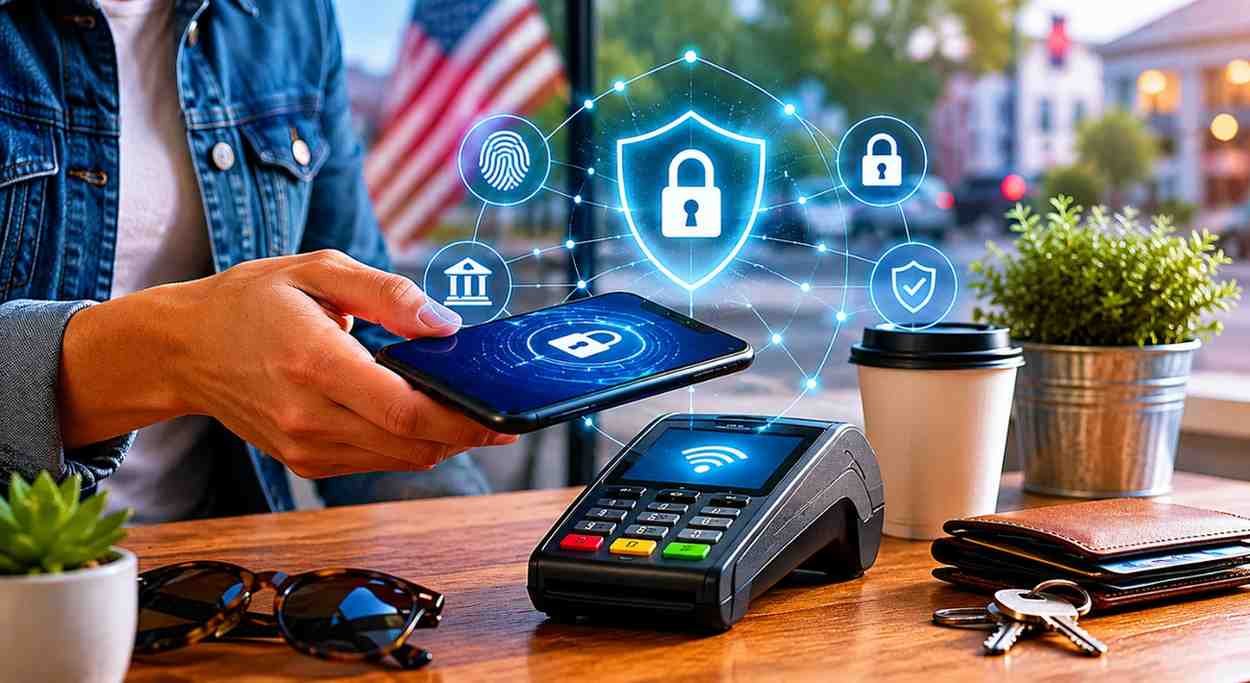
The most useful digital wallet features often go unnoticed because they work exactly as intended. Users rarely stop to think about the fraud protection that shields their accounts, the automation that organizes their travel documents, or the technology that securely processes every payment.
A few examples include:
- Biometric authentication for faster account access
- Instant peer-to-peer payments between friends and family
- Loyalty rewards are stored automatically inside the wallet
- Digital receipts that simplify record-keeping
- Real-time fraud alerts and transaction notifications
- Spending insights that support better financial decisions
None of these features demands attention, yet they collectively improve convenience, security, and efficiency throughout the day.
FAQs: The Most Useful Digital Wallet Features People Use Without Realizing It
1. What are the most important digital wallet features?
The most important digital wallet features include payment tokenization, biometric authentication, transaction history tracking, fraud protection, digital card storage, peer-to-peer payments, and loyalty rewards management.
2. Are digital wallets safer than physical cards?
Digital wallets often provide additional security layers such as tokenization, encryption, biometric verification, and secure hardware storage, making them more secure than traditional card transactions in many situations.
3. Can digital wallets work without an internet connection?
Certain functions, including some NFC payments and transit card emulation services, can work without an active internet connection. However, features such as account updates and balance synchronization typically require connectivity.
4. Do digital wallets help with budgeting?
Yes. Many digital payment apps include spending insights, transaction categorization, expense tracking, and digital receipt storage that help users monitor spending more effectively.
Final Thoughts
The real value of digital wallets goes far beyond replacing a physical card. Modern platforms combine security, automation, convenience, and financial management into a single experience that operates quietly in the background. From payment tokenization and device-level cryptography to automatic travel updates and smart spending insights, these tools continuously remove friction from everyday activities. Most users never actively think about these functions, yet they rely on them whenever they pay, travel, commute, or manage their finances.
As digital payment solutions continue to evolve, the smartest features will likely remain the ones people hardly notice at all. Their success comes from making daily tasks easier without demanding extra effort.